
Insights
Data center site intelligence
Practical planning insights on site screening, title and land rights, environmental diligence, entitlement readiness, public approvals, off-site infrastructure, commercial risk, and capacity delivery.
DCFR Knowledge Map
Explore the intelligence system
Select a system to focus the 111-insight library. Select it again—or choose the center—to return to all insights.
Showing 111 of 111 insights

Site Screening
Data Center Site Viability: Seven Pre-Acquisition Checks
A rigorous pre-acquisition screen that separates marketable acreage from land that can physically, operationally, and jurisdictionally support a data center.

Site Fit
Converting Utility Megawatts into a Buildable Data Center Plan
Power capacity becomes a real estate decision only after it is converted into racks, modules, yards, roads, buffers, stormwater, phasing, and a defensible delivery sequence.

Power + Utility
Utility Access and Data Center Site Value
The value of nearby power depends on deliverable capacity, interconnection geometry, upgrade scope, queue position, commercial terms, and a schedule that aligns with the development plan.

Site Fit
Land Requirements for a 40 MW Data Center
A 40 MW program is not one building rectangle. It is a coordinated land budget for modules, utility infrastructure, backup power, heat rejection, access, drainage, buffers, construction, and future change.

Access + Operations
Data Center Parking, Loading, and Fire Access Planning
A data center site fails when staff, contractors, trucks, fuel deliveries, replacement equipment, security, and emergency response cannot occupy the same plan without conflict.

Infrastructure
Data Center Generator Yard Planning Requirements
Backup-power yards are engineered operating zones whose equipment count, fuel strategy, fire exposure, acoustics, emissions, maintenance, and replacement routes can control the site plan.

Cooling + Water
Cooling Strategy and Data Center Land Requirements
Cooling selection changes equipment footprint, airflow, water and sewer demand, acoustic exposure, structural loading, utility consumption, maintenance access, and future rack-density options.

Entitlement + Community Risk
Land Development
Residential Adjacency: Data Center Noise, Community, and Entitlement Risk
Sensitive neighbors can turn otherwise manageable noise, traffic, lighting, water, massing, and construction effects into entitlement conditions, redesign, delay, or acquisition risk. The answer is an evidence-led community and public-hearing strategy.

Civil + Stormwater
Stormwater Reserve Planning for Data Center Sites
Stormwater is a primary land demand created by roofs, roads, yards, and parking; it cannot be treated as whatever space remains after the data center is drawn.
Feasibility Reports
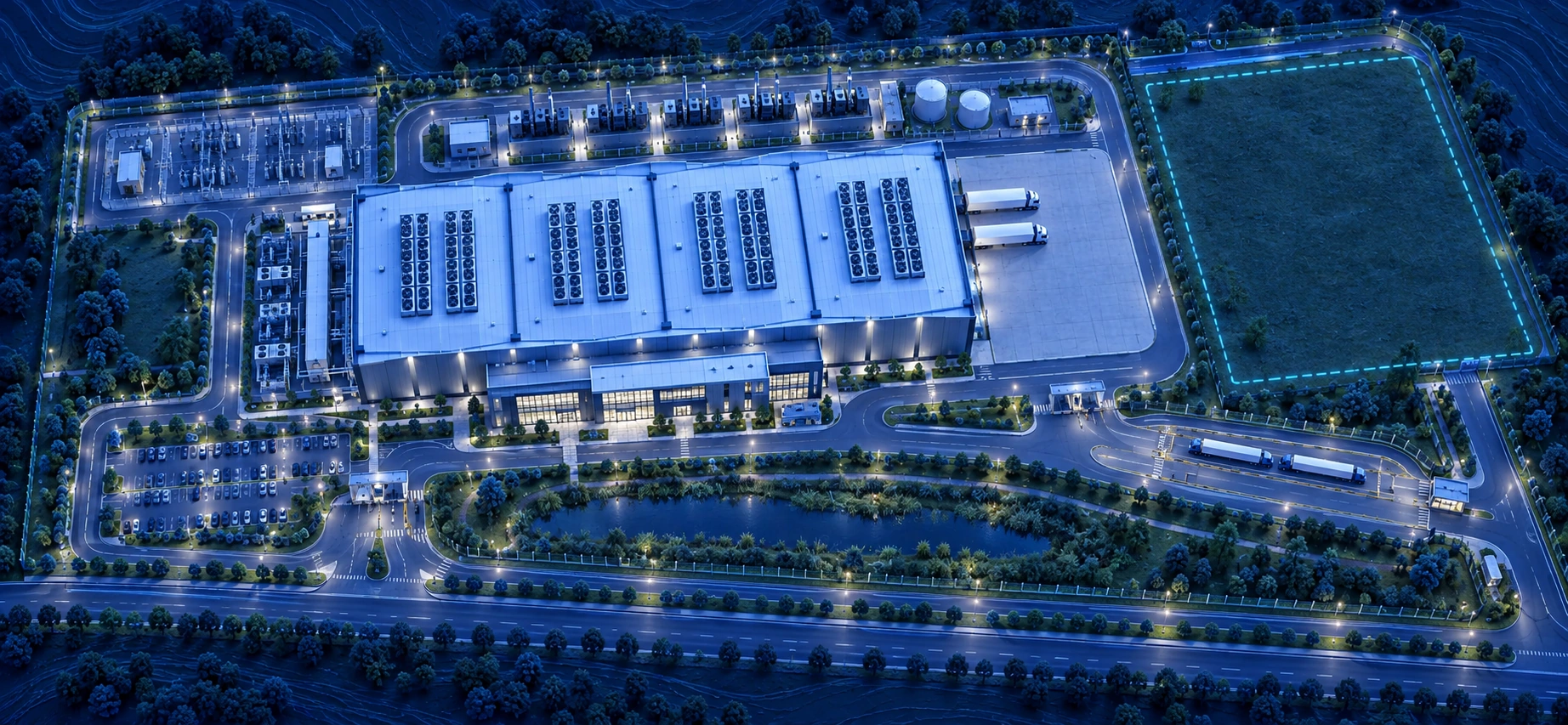
Planning-Grade Data Center Feasibility Reports: Scope, Evidence, and Decisions
A useful feasibility report converts assumptions into measurable site-fit outputs, evidence-ranked risks, decision gates, and a disciplined handoff to utilities, authorities, consultants, and acquisition teams.

Portfolio Screening
Screening 20 Candidate Sites Before Full Data Center Diligence
A standardized portfolio screen prevents single-site optimism, makes trade-offs visible, and concentrates full diligence on the parcel with the strongest combination of power, land, approvals, infrastructure, and schedule.

Planning Strategy
Pre-Acquisition Review of a Data Center Site-Fit Layout
A site-fit layout should be read as a chain of assumptions and operating relationships—not as proof that a polished rectangle can be built.
Code + Fire
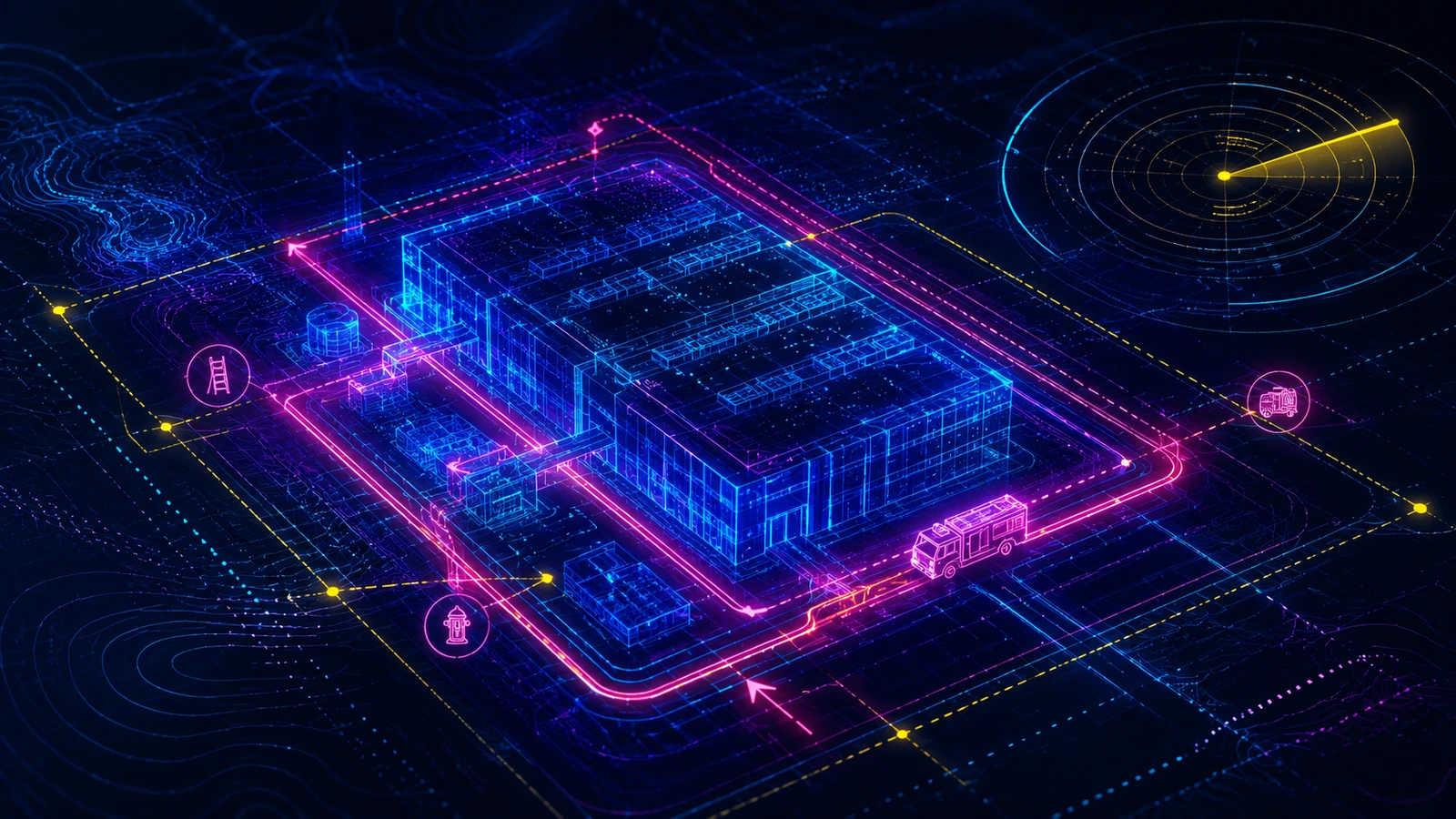
Which NFPA Standards Affect Data Center Site Planning?
NFPA exposure becomes useful when each standard is connected to a physical site, building, equipment, fire-protection, inspection, or operational decision.
Construction Technology
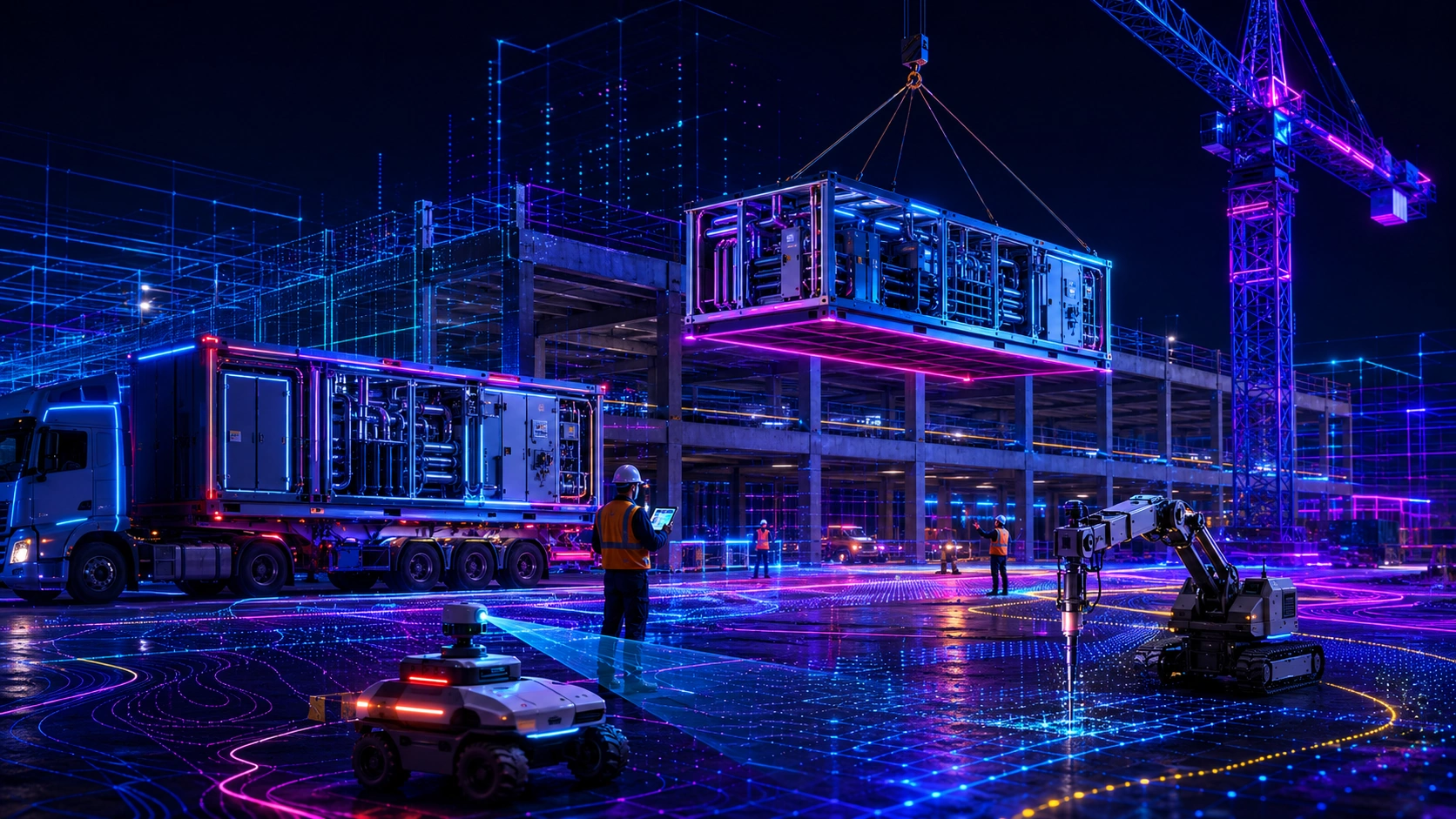
Robotics and Prefabrication in Data Center Construction
Robotic layout, automated drilling, digital reality capture, electrical modules, mechanical skids, multi-trade racks, panelized systems, and factory-tested infrastructure can materially change data center delivery—but only when design maturity, repetition, logistics, tolerances, procurement, and commissioning are planned around them.
Design + Materials
Envelope Strategy
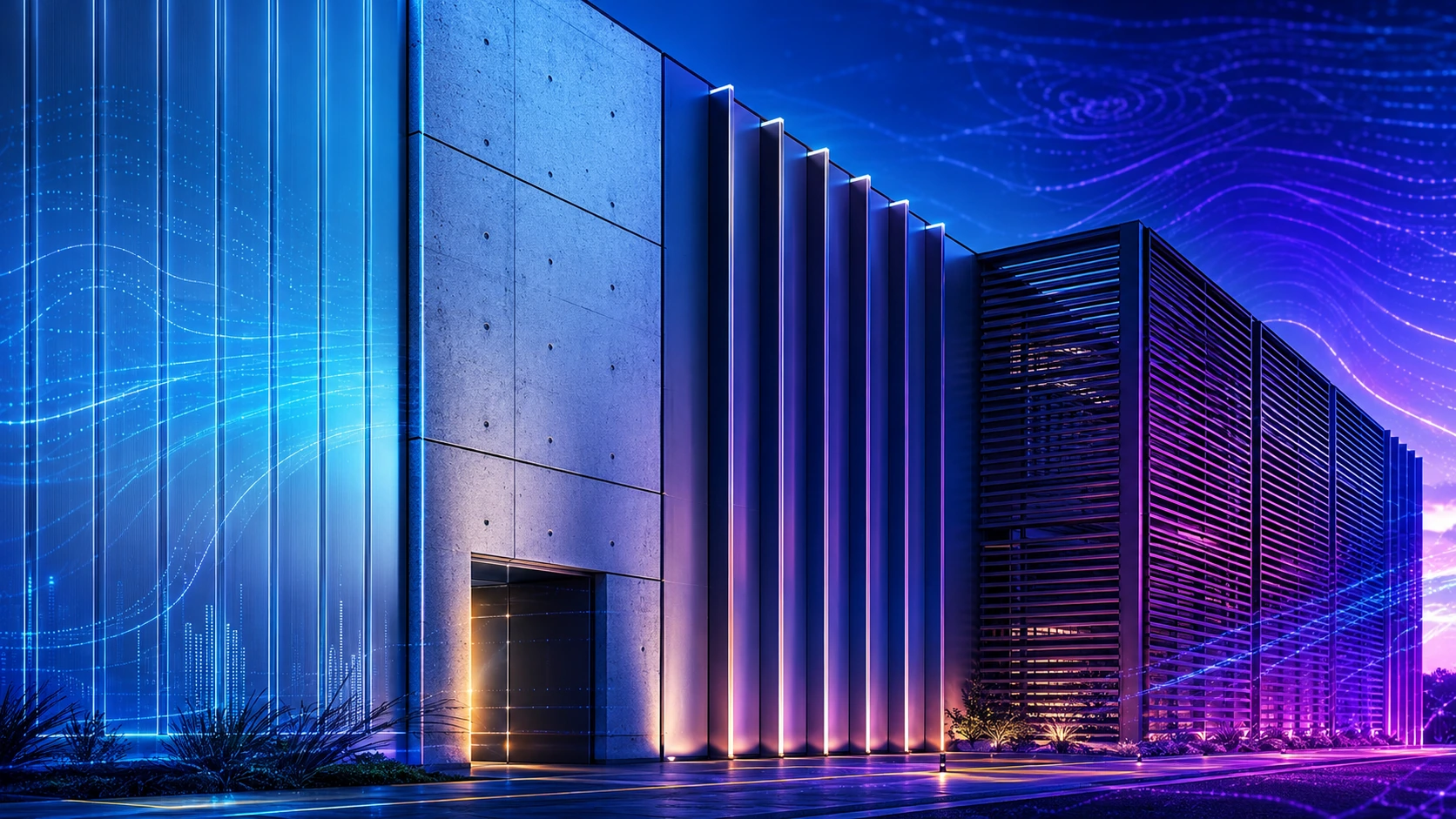
Data Center Wall Panel Systems: Cost, Performance, and Architectural Quality
The best data center wall strategy is a climate-responsive, tested, repeatable base enclosure with targeted upgrades for fire, acoustics, security, durability, carbon, and public-facing value.
Design Review + Constructability
Capacity Delivery
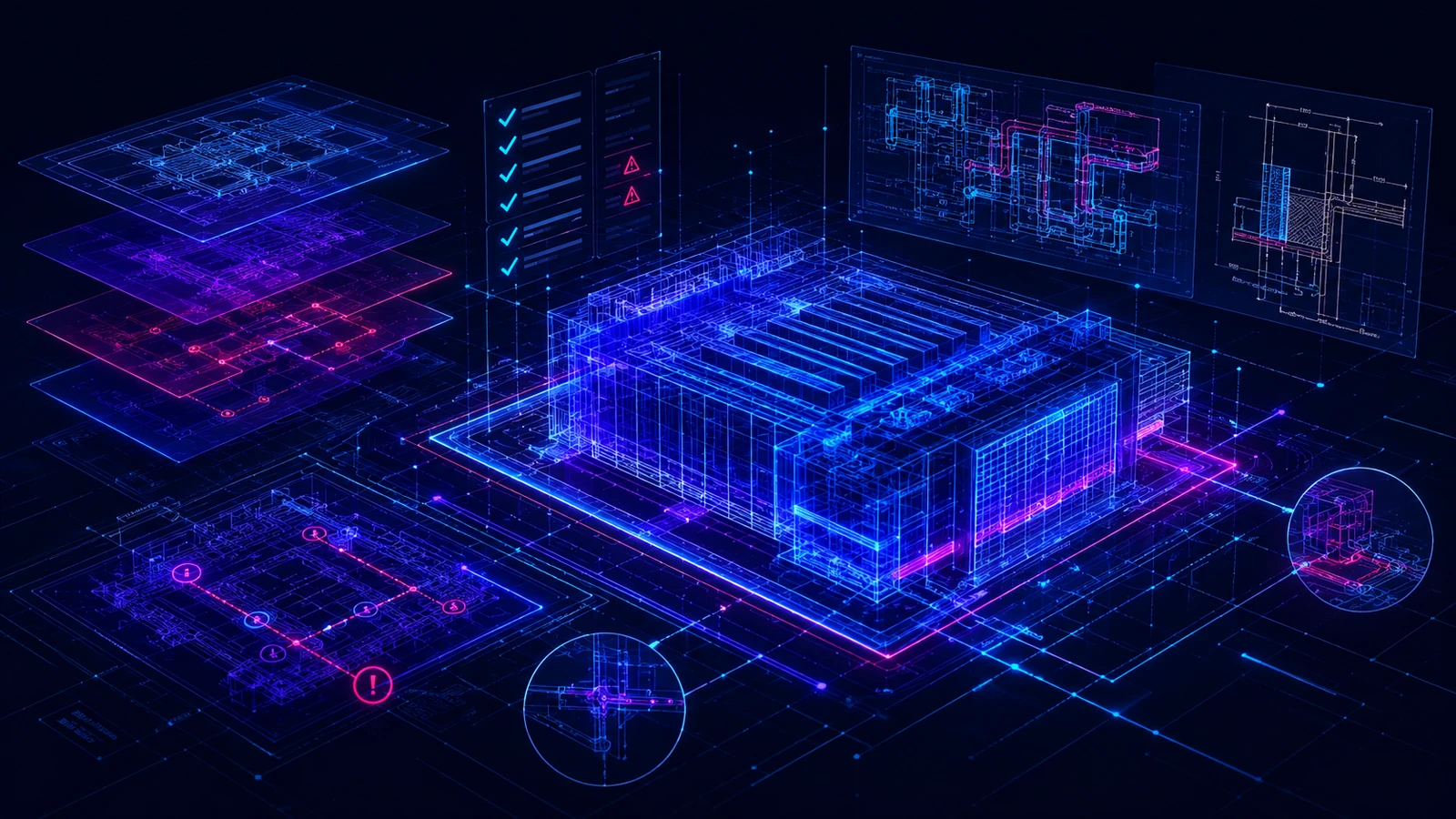
The 90-Minute Data Center Architectural Package Review
A disciplined review should expose reference-design drift, life-safety gaps, unresolved interfaces, procurement risk, and field-sequencing failures before they become RFIs, rework, or energization delay.
Entitlement + Permitting + AHJ
Land Development
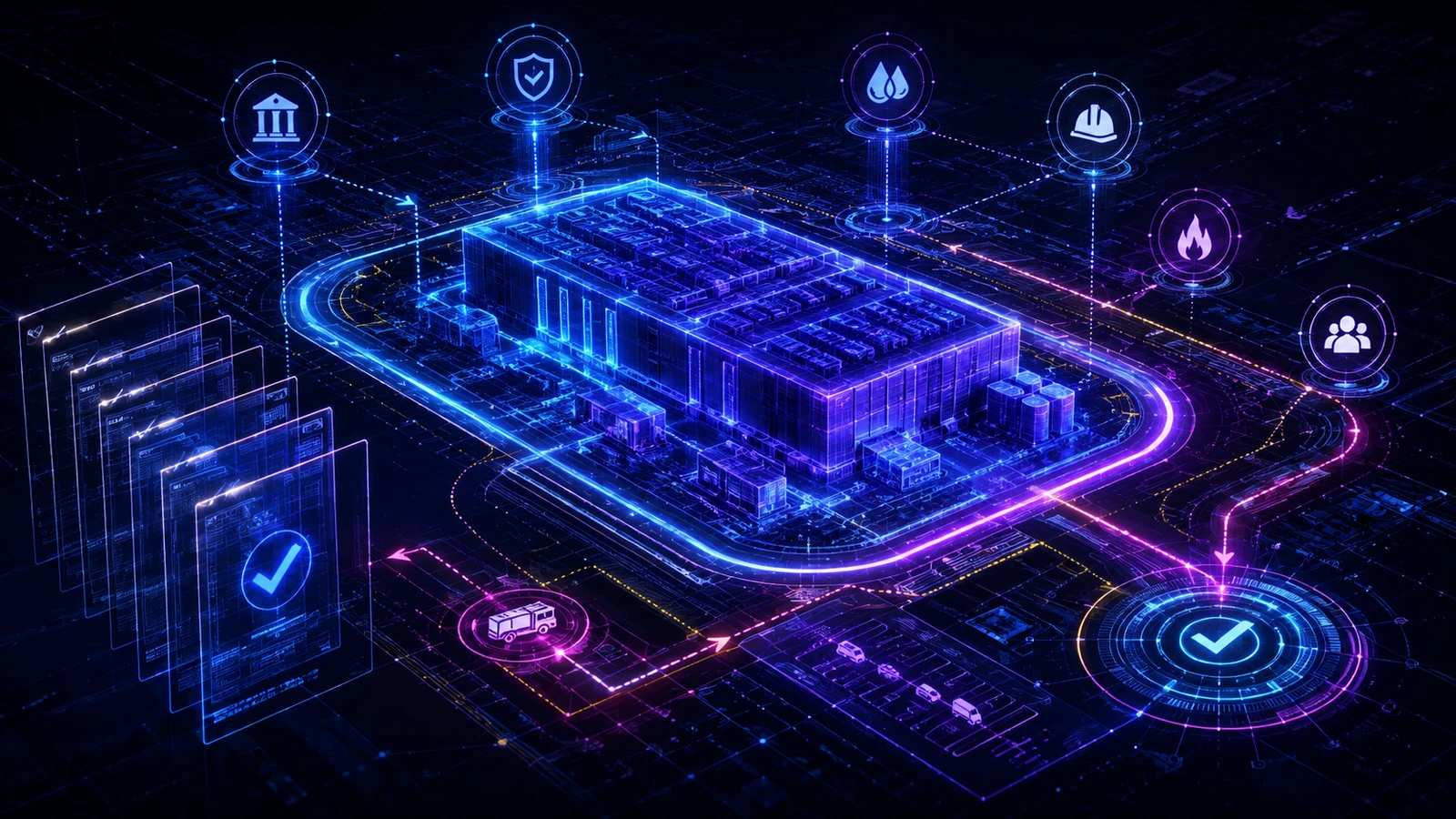
Data Center Entitlement and AHJ Approval Strategy
Approval strategy begins before permit submittal. It aligns land-use entitlements, government relationships, code interpretations, phased packages, public commitments, inspections, and closure obligations with the campus delivery plan.
Envelope + Field QA
Capacity Delivery
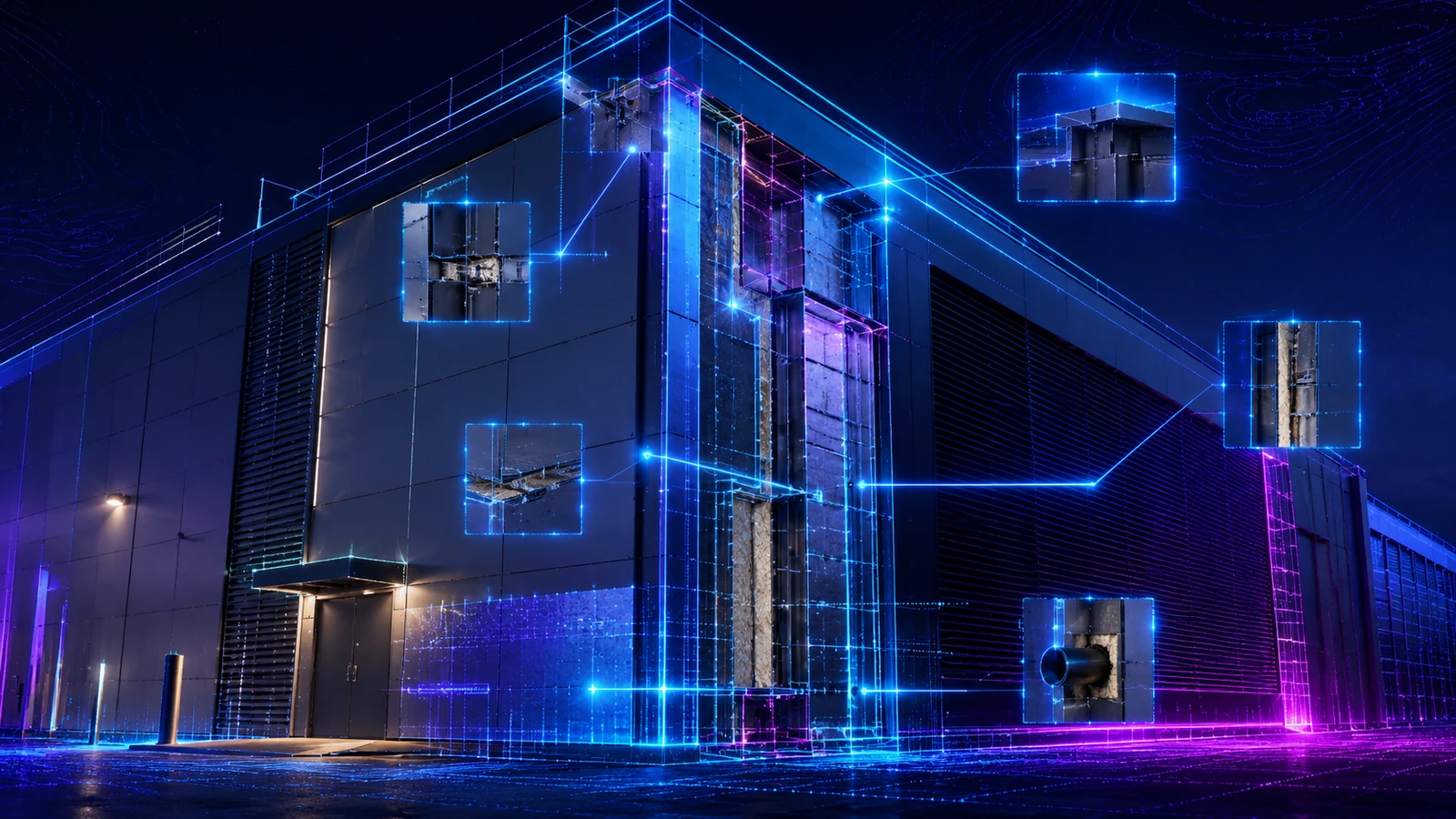
Data Center Envelope Design by Climate Zone and Firestopping Risk
A data center enclosure must respond to climate, rain, humidity, temperature, wind, snow, dust, corrosion, internal cooling, and operational pressure—then preserve those control layers through every roof, wall, louver, door, curb, penetration, and rated boundary.
Reference Design + Delivery
Capacity Delivery
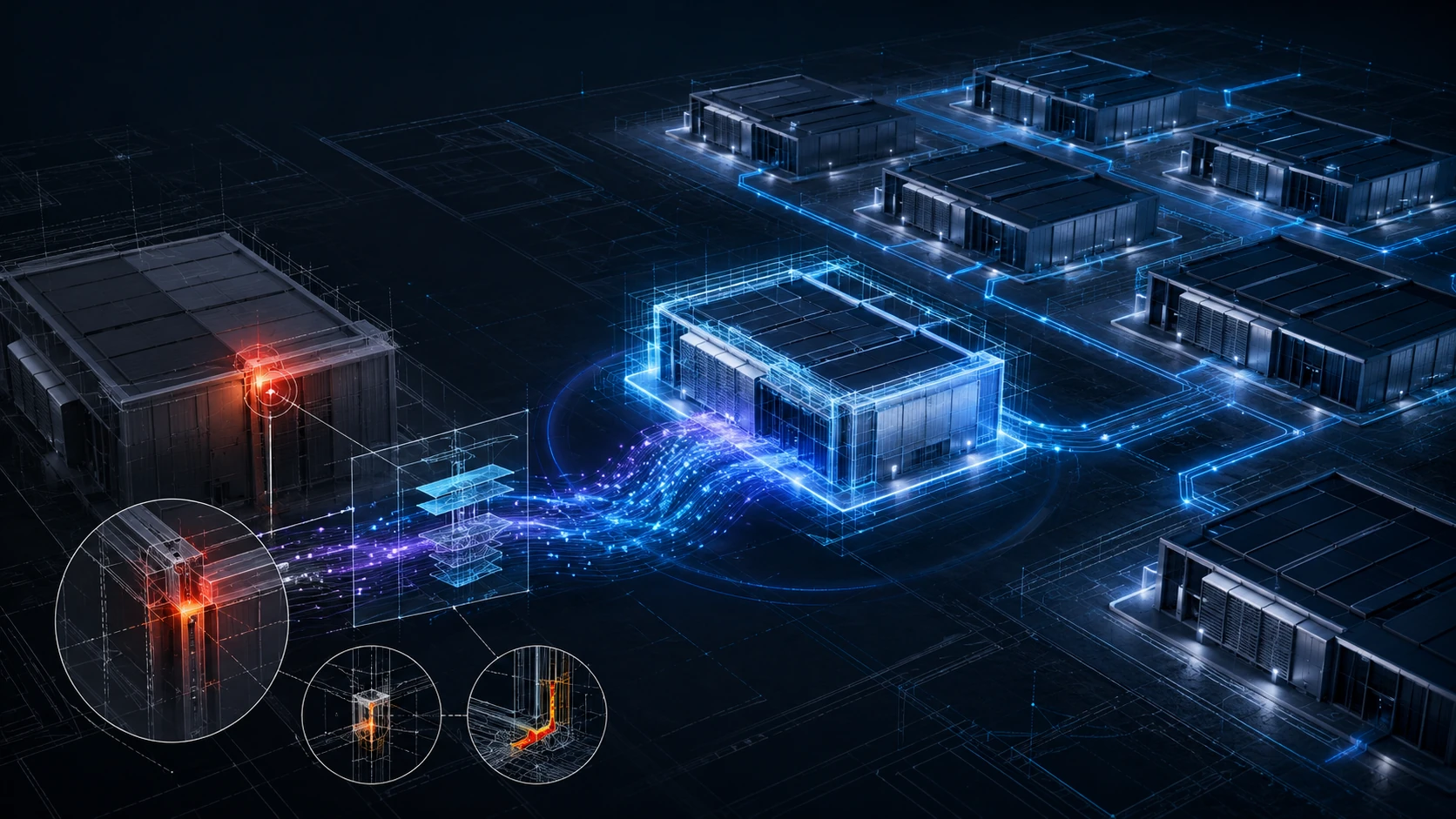
Using Field Failures to Improve Data Center Reference Designs
Field failures, AHJ comments, commissioning discoveries, and constructability lessons become valuable only when they are classified, validated, and incorporated into a controlled reference design for future sites.
Accelerated Delivery + Execution
Capacity Delivery
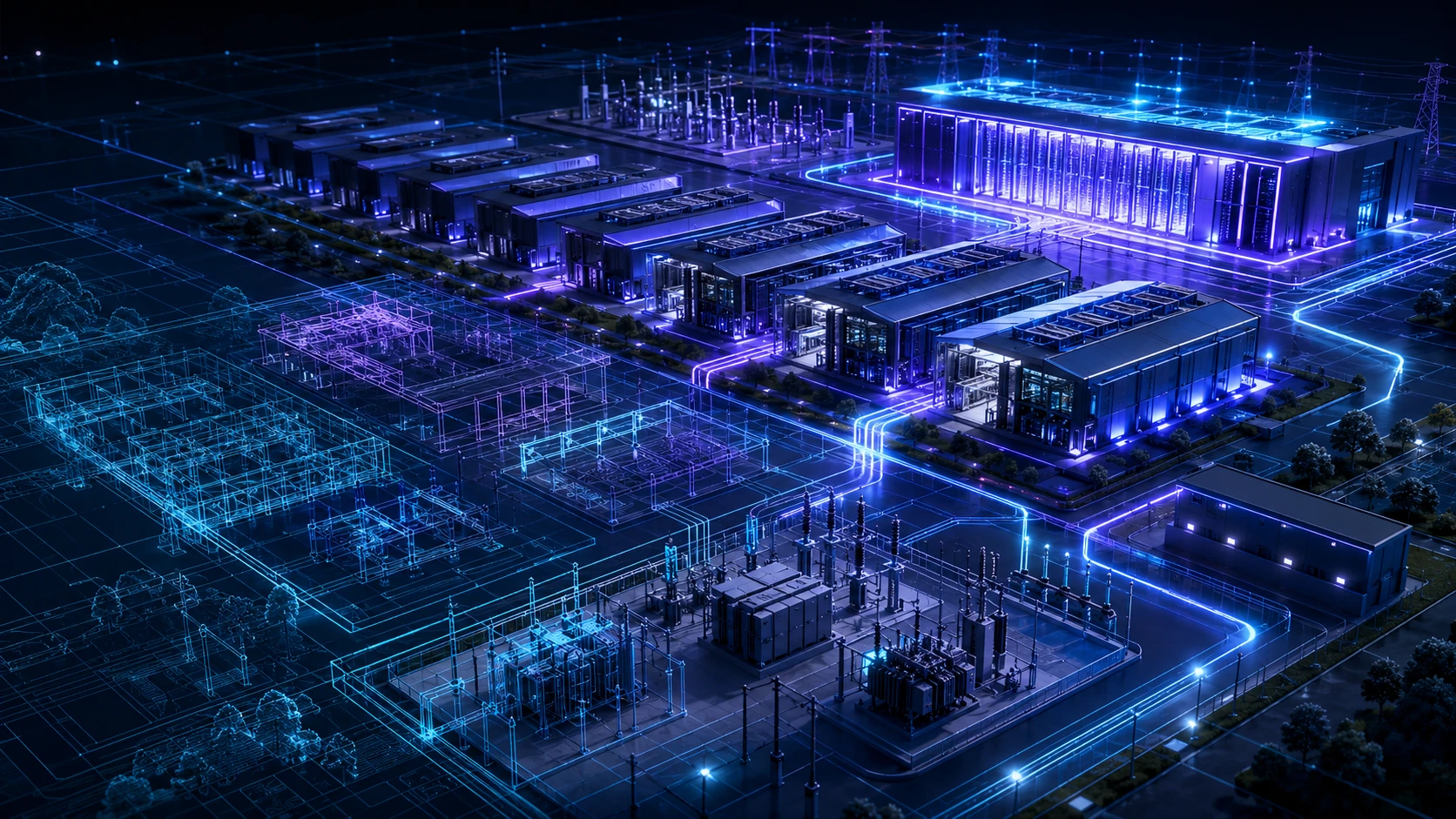
Data Center Energization: Critical-Path Delivery and Failure Prevention
The fastest data center program is not the one that compresses every activity. It is the one that protects the real energization path, removes avoidable waiting and rework, releases work in controlled packages, and aligns utilities, authorities, design, procurement, construction, commissioning, and operations around the same milestone.
Land + Water Efficiency
Sustainable Capacity
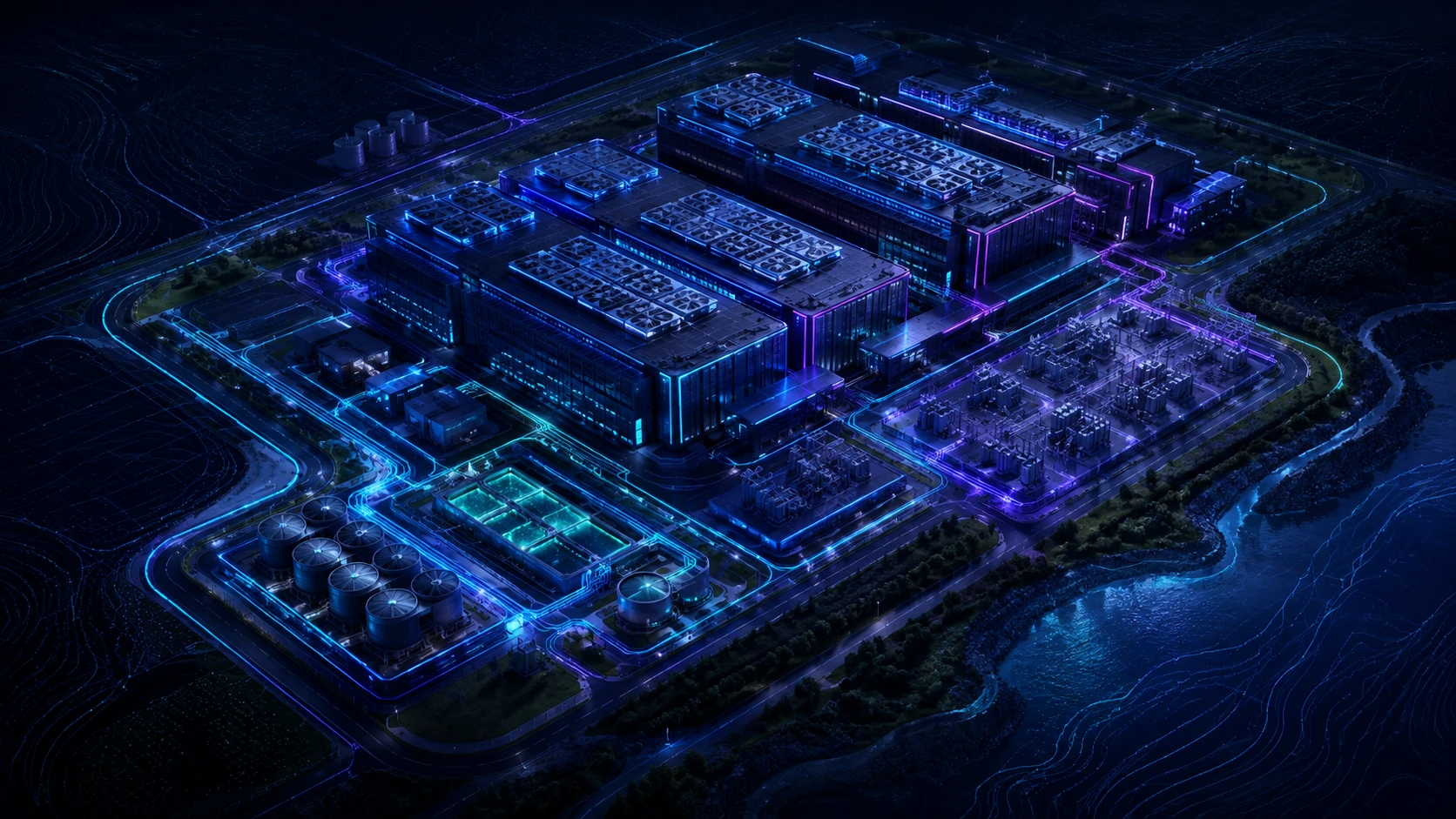
Resource-Efficient Data Center Campuses: More Compute with Less Land and Water
Data center efficiency is not only an energy question. The next generation of campuses must deliver more usable compute per developable acre while reducing freshwater dependency—without compromising resilience, fire access, maintainability, heat rejection, construction logistics, or future expansion.
Code + Fire + Design Management
Capacity Delivery
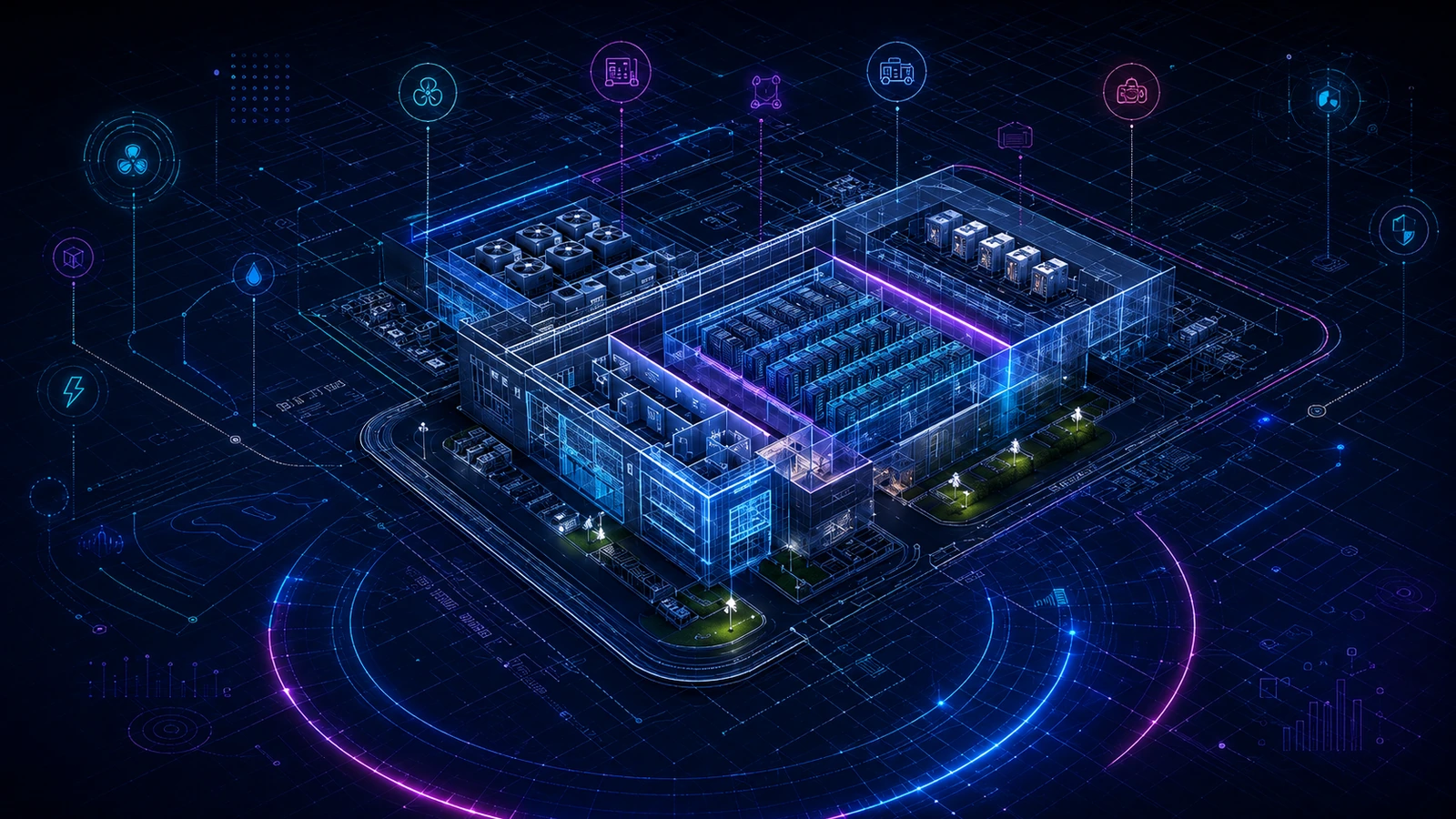
Code-Compliant Data Center Design: A Step-by-Step Workflow
A practical professional guide to translating jurisdictional requirements, life safety, fire protection, mission-critical systems, and Authority Having Jurisdiction (AHJ) expectations into one coordinated data center design.

Cooling + Water + AI Infrastructure
Capacity Delivery
Data Center Cooling Systems: Air, Direct-to-Chip, and Immersion Cooling
Cooling now determines rack density, water exposure, energy use, site acreage, operating cost, and even whether an AI data center site is viable. A practical comparison of air cooling, rear-door heat exchangers, direct-to-chip liquid cooling, immersion, warm-water systems, and the technologies coming next.
Campus Planning + Capacity Delivery
Capacity Delivery
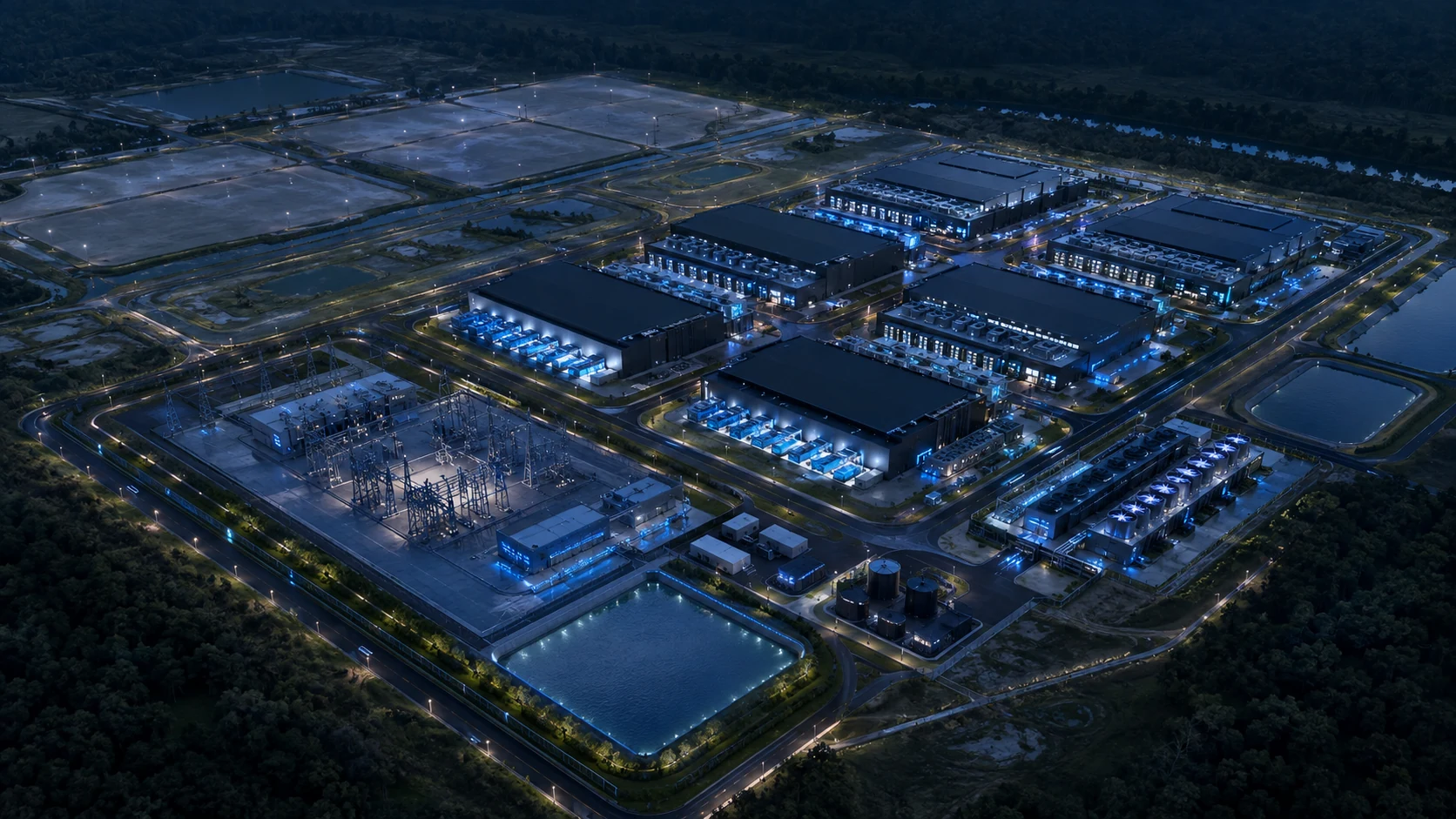
Data Center Campus Master Planning: Power, Phasing, Cooling, and Expansion
A data center campus is not a collection of buildings. It is an expandable infrastructure system where power, cooling, roads, fire access, stormwater, security, logistics, maintenance, and future expansion all compete for the same land. The master plan must therefore answer a more important question than how many buildings fit: how much reliable IT capacity can this parcel actually deliver through its full build-out?
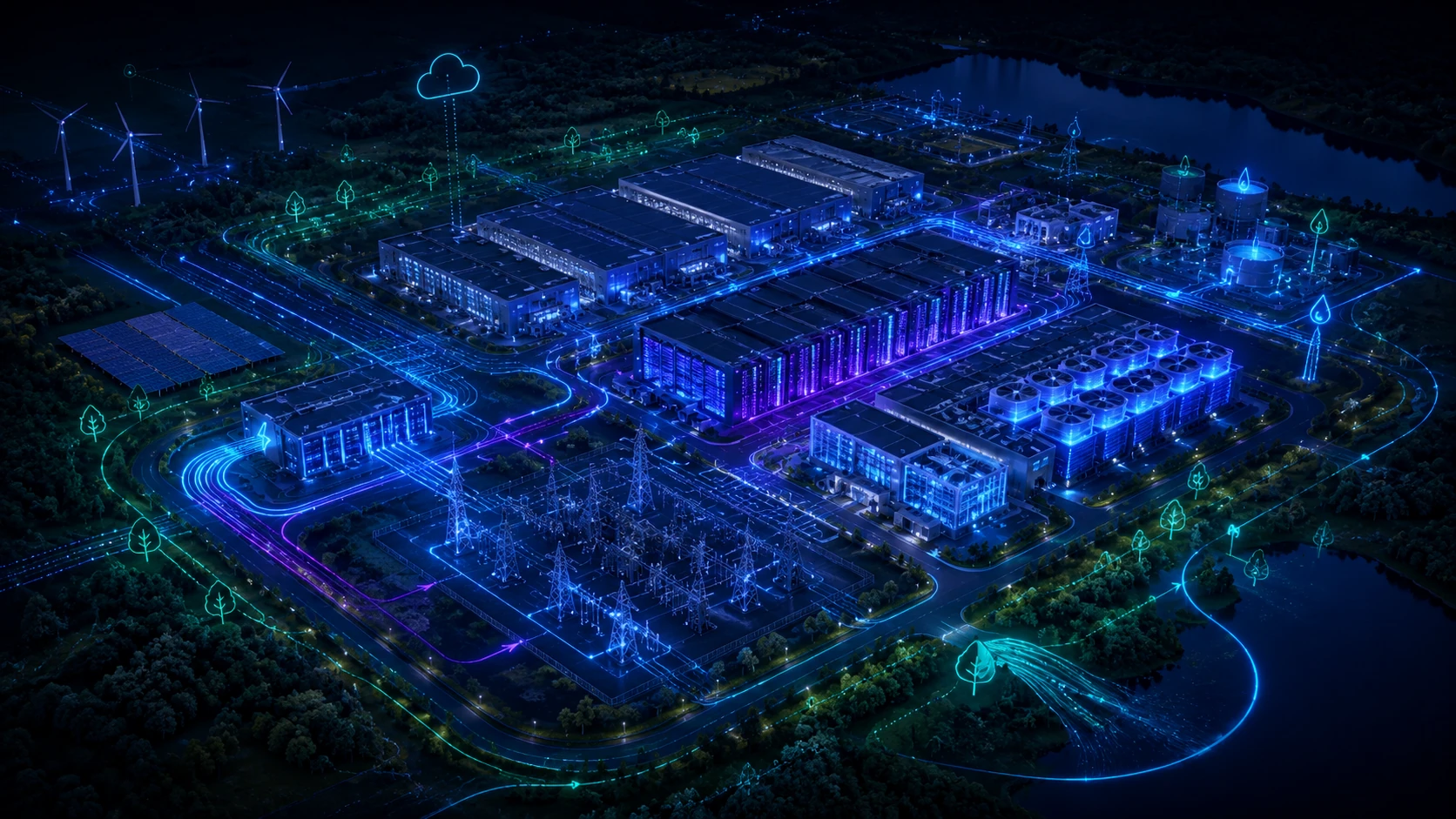
Sustainability + Net Zero + LEED (Leadership in Energy and Environmental Design) Platinum
Sustainability
Can a Data Center Be Net Zero?
A developer-focused guide to integrating data center sustainability, Net-Zero energy and carbon performance, and a credible LEED Platinum pathway.
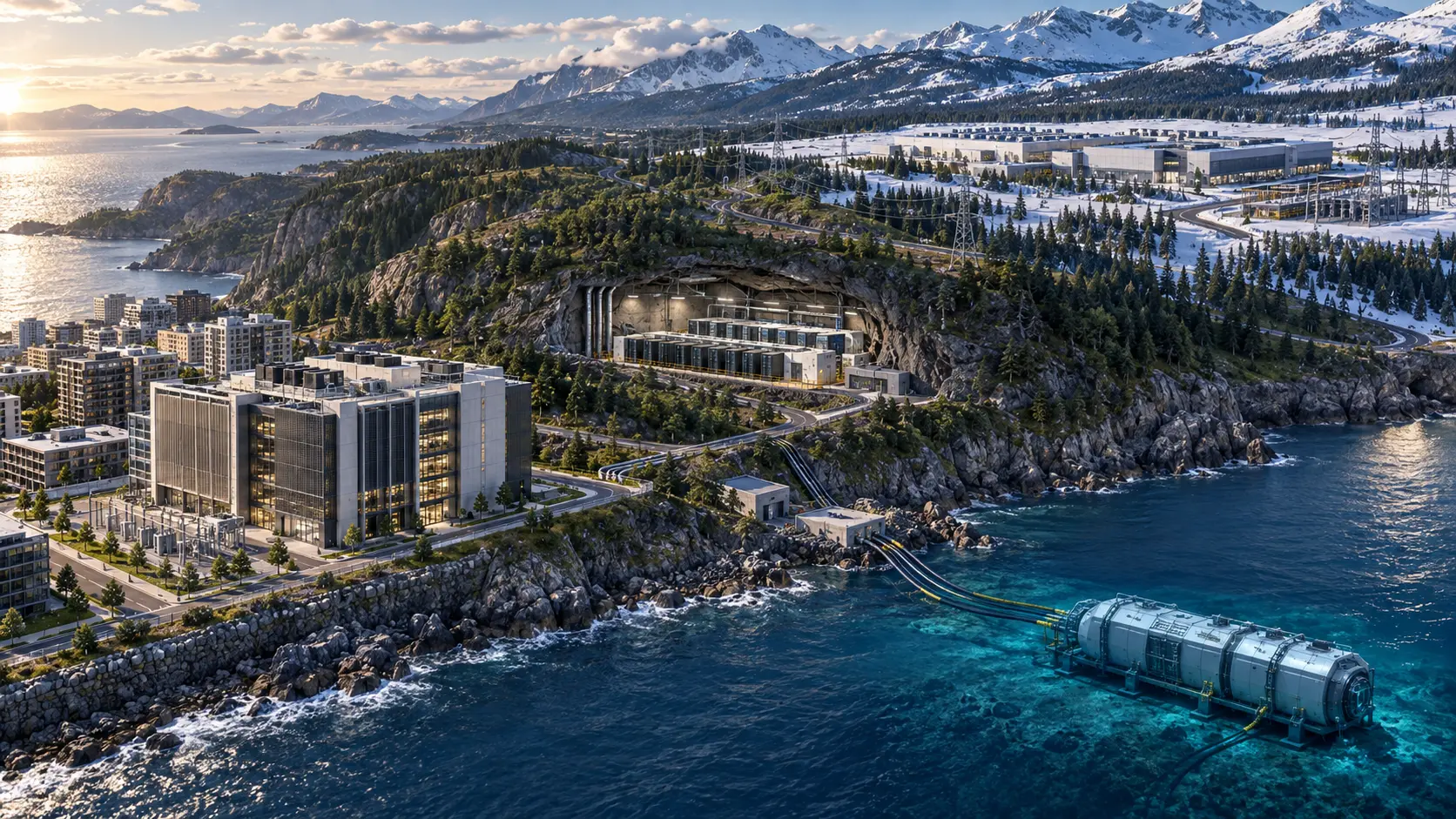
Data Center Strategy + Site Planning
Site Strategy
Vertical, Underground, Underwater, and Cold-Climate Data Centers
A practical typology decision framework for determining when low-rise, vertical, underground, subsea, or cold-climate data centers create real development value—and when they only move risk somewhere harder to solve.
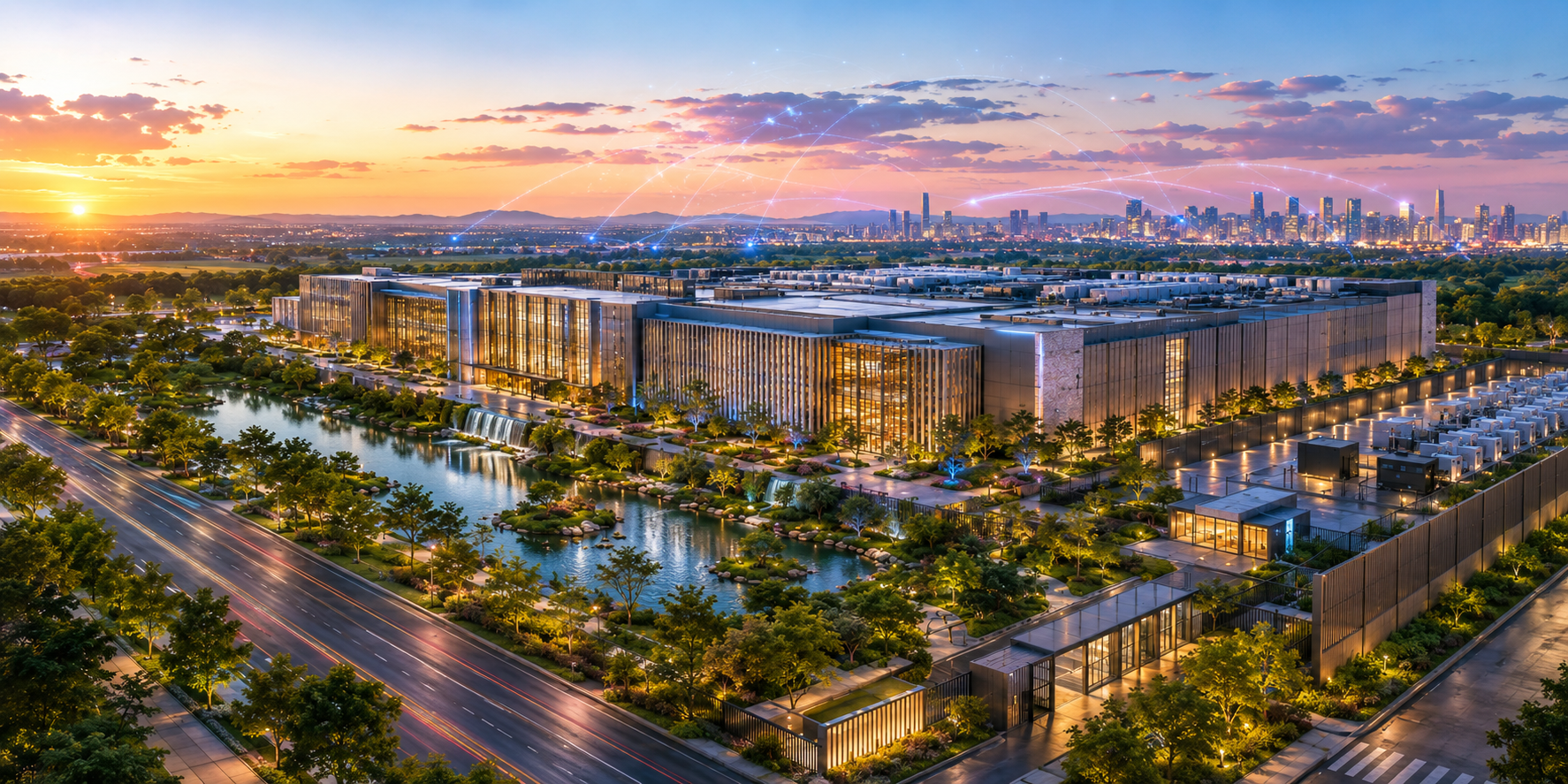
Data Center Architecture + Civic Infrastructure
Architecture
Can a Data Center Be Beautiful?
A practical architect-led framework for making mission-critical campuses more coherent, durable, community-compatible, and environmentally useful—without compromising cooling, security, maintenance, replacement, or future capacity.
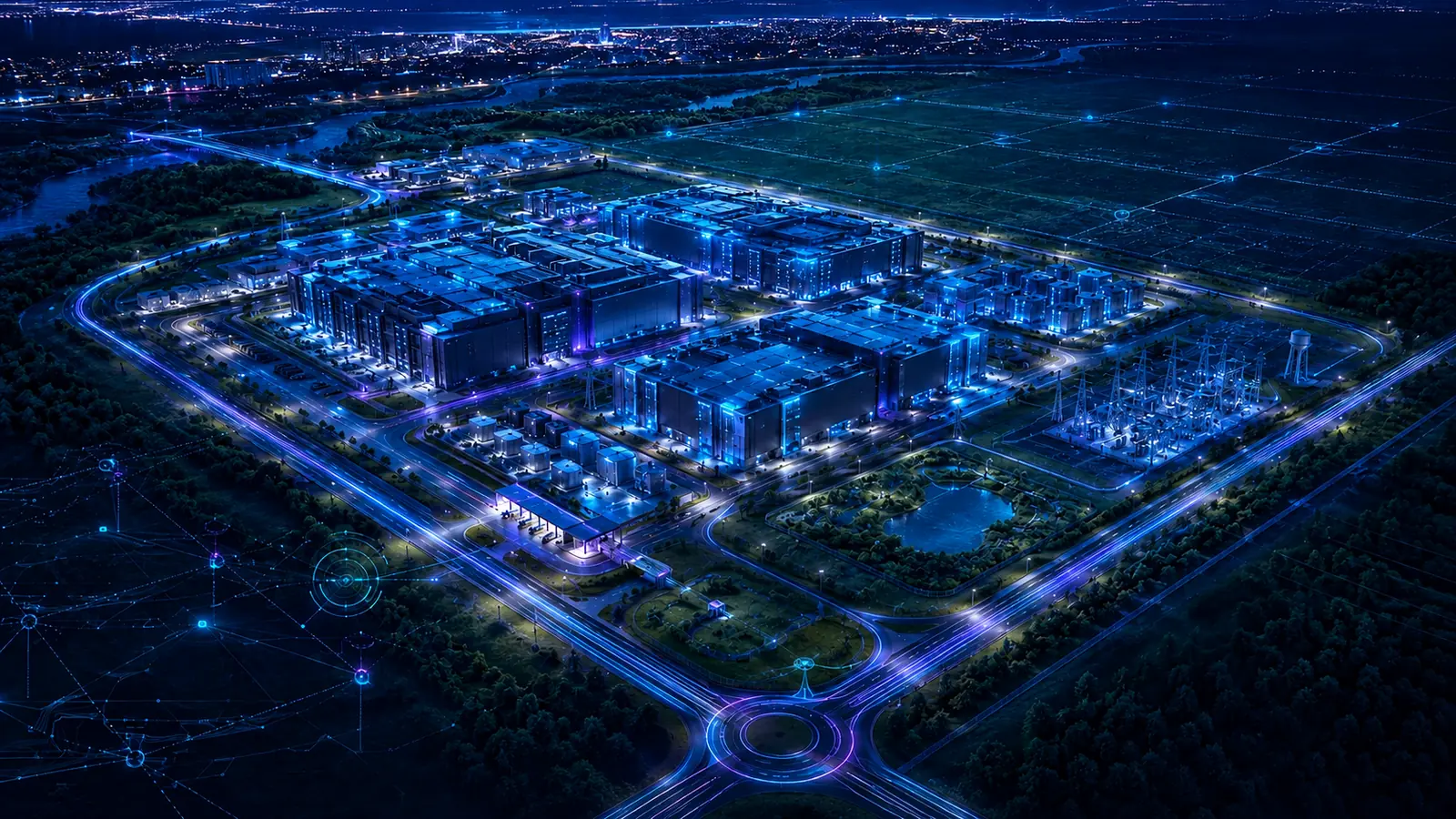
Data Center Strategy + Site Diligence
Site Readiness
What Makes an Ideal Data Center Site?
A first-principles acquisition and diligence framework for proving that power, fiber, land, cooling, access, hazards, entitlements, off-site infrastructure, community conditions, and expansion can produce an executable path to capacity.
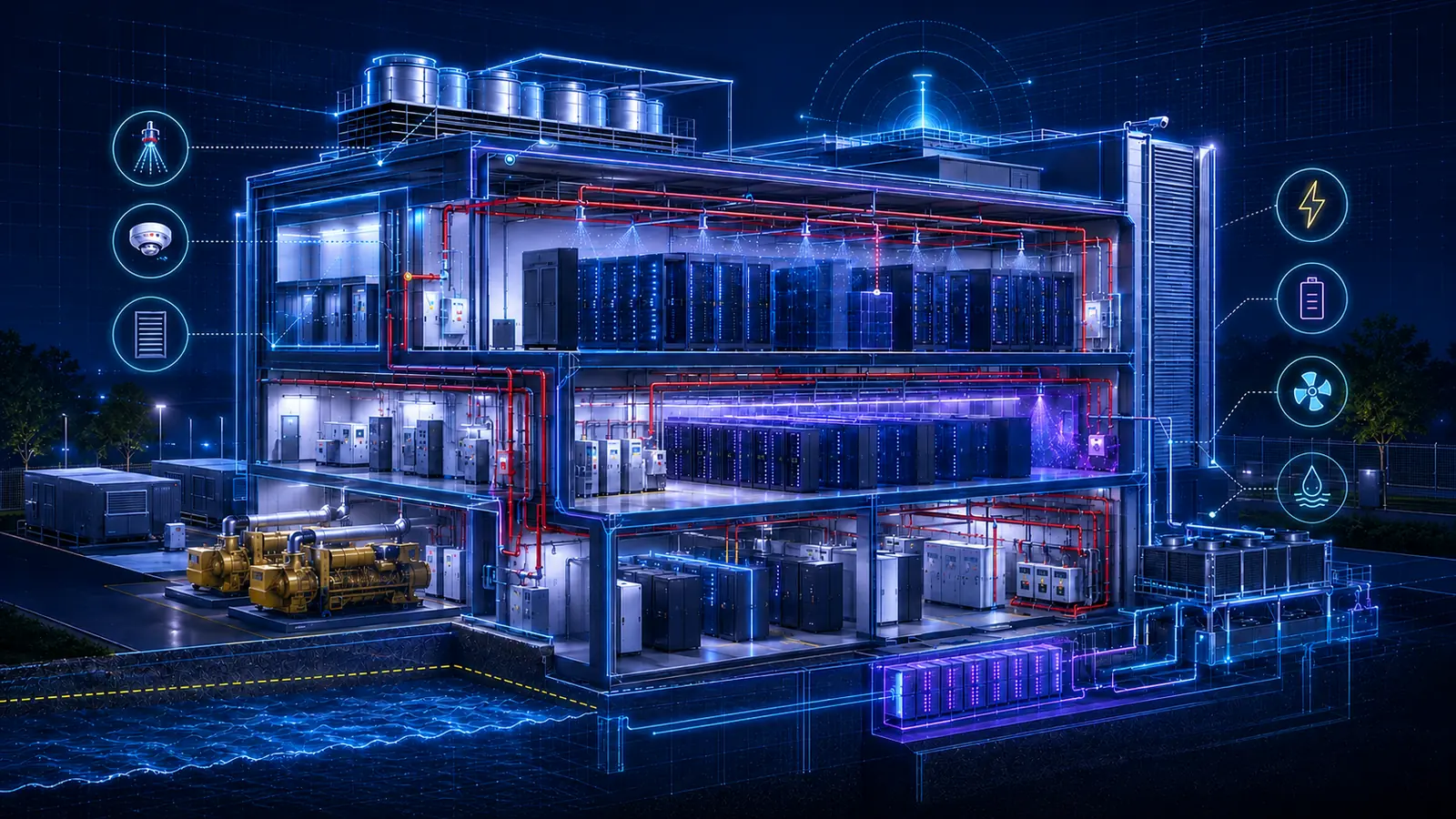
Data Center Design + Risk Management
Factory Mutual (FM) + Property Loss Prevention
Factory Mutual Data Center Design Beyond Building-Code Compliance
A practical guide to Factory Mutual (FM) data center design: site hazards, envelope, fire protection, batteries, power, cooling, water, resilience, insurability, and what building-code compliance alone does not address.
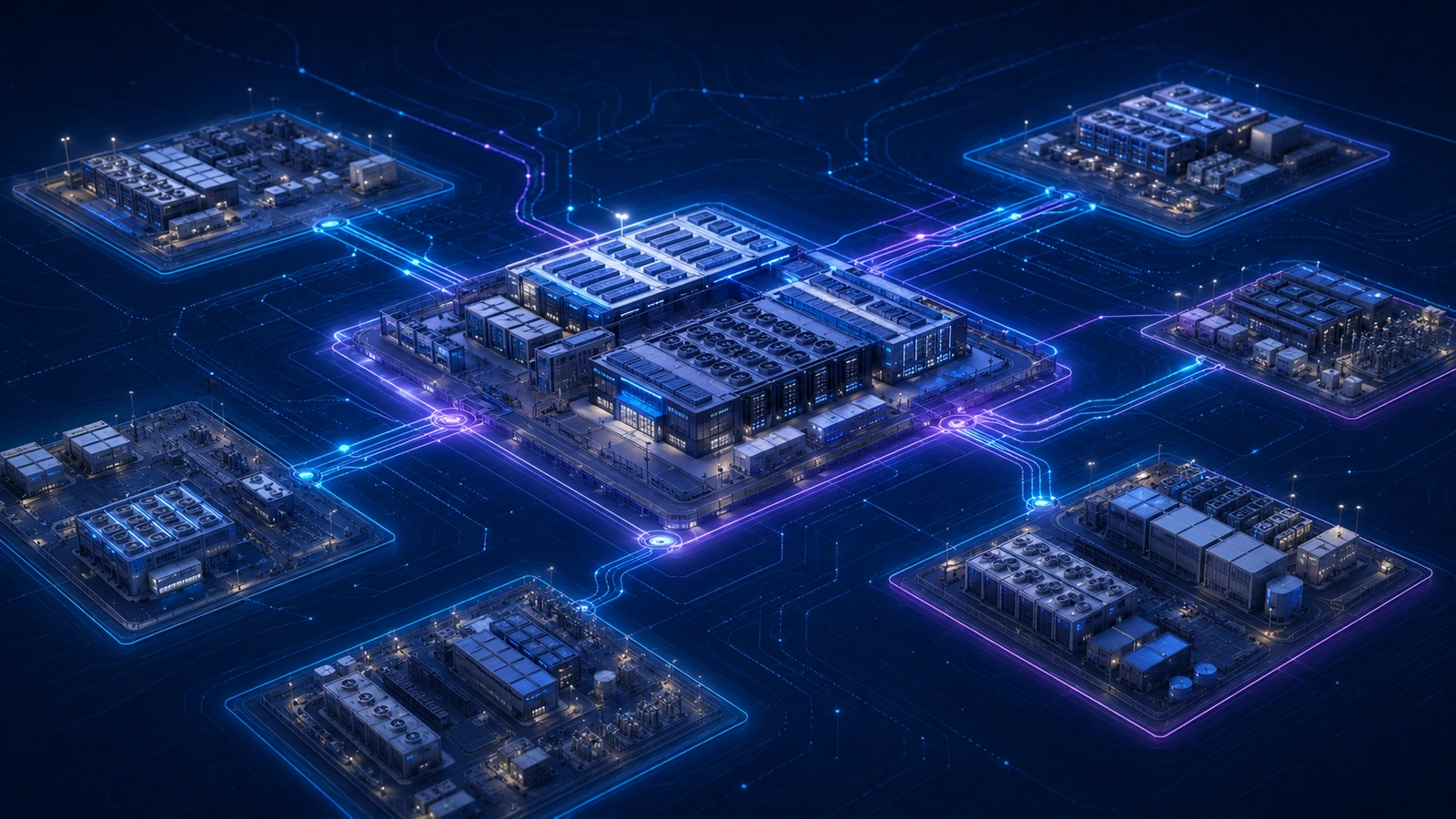
Data Center Delivery + Design Governance
Basis of Design + Reference Design
Standardizing Data Centers from Basis of Design to Reference Design
A repeatable data center program needs more than a prototype drawing set. It needs a controlled chain from owner requirements and Basis of Design to reference design, site adaptation, deviation approval, commissioning, and lessons learned.
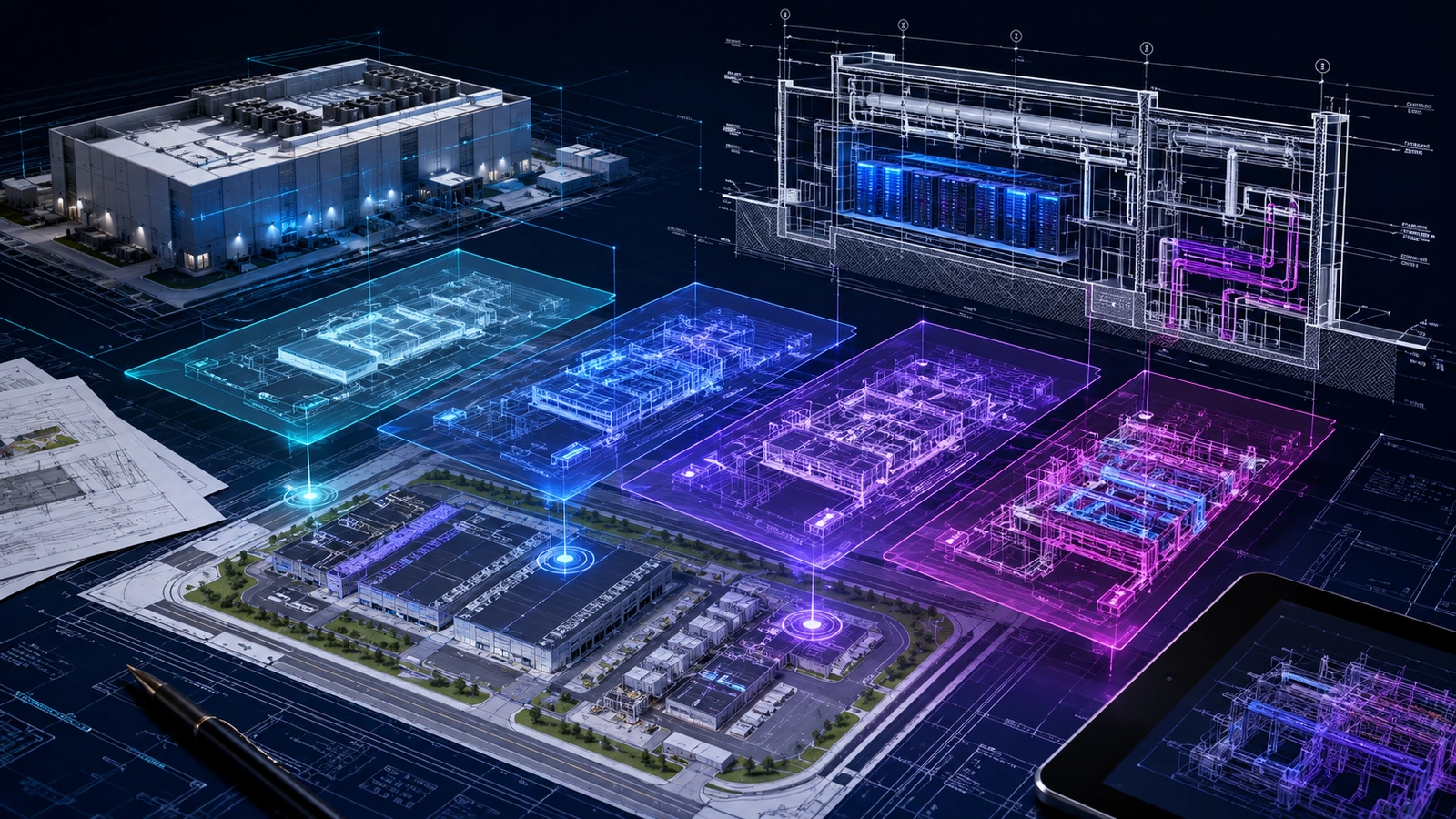
Data Center Delivery + Quality Control
Design Review + Owner-Side Architecture
Owner-Side Data Center Design Reviews at 30%, 60%, 90%, and IFC
A data center design package should not advance because the drawings look more complete. It should advance only when the decisions appropriate to that milestone are resolved, coordinated, measurable, and safe to release downstream.
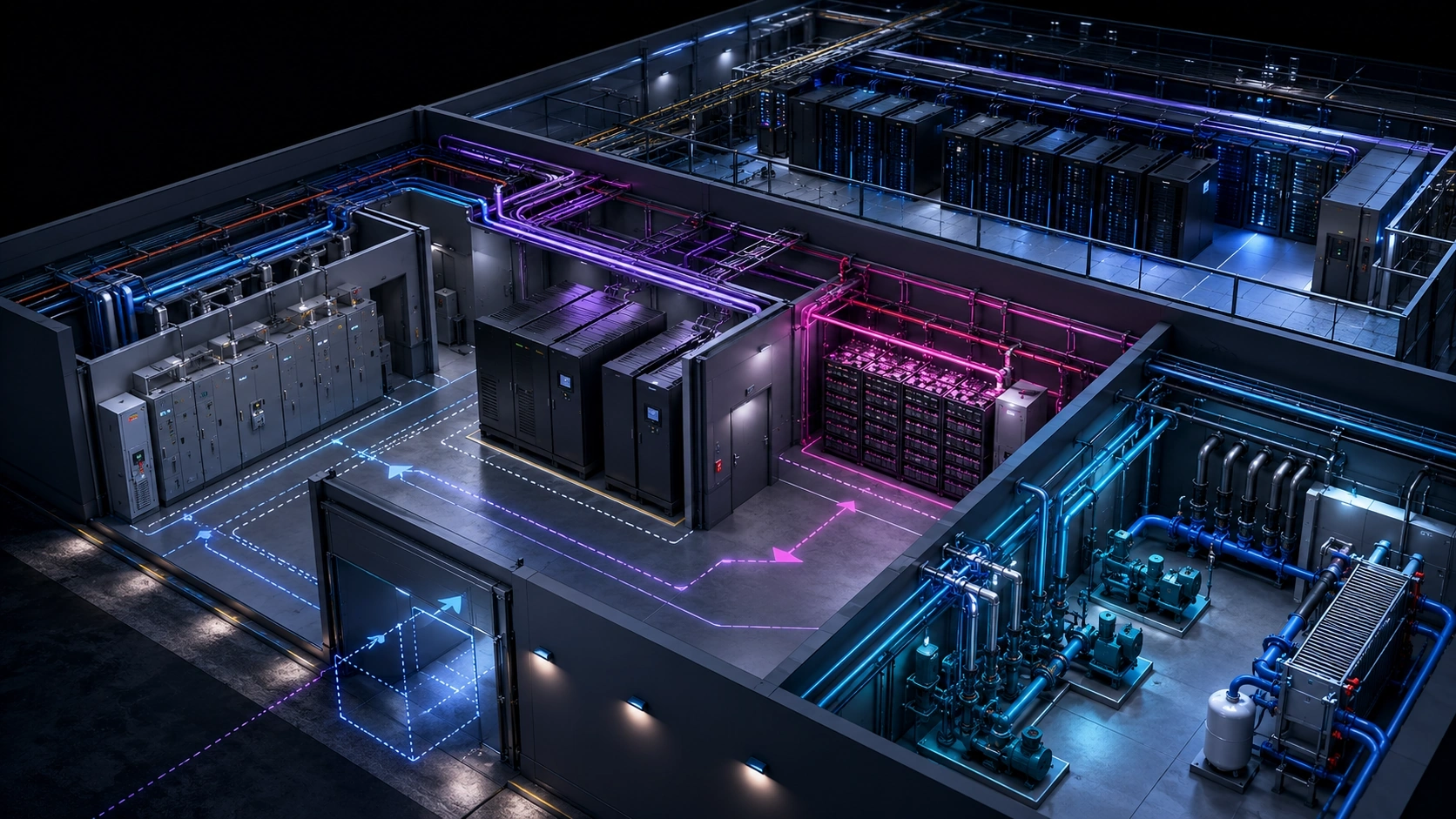
Data Center Architecture + Operations
Technical Rooms + Maintainability + Replacement
Data Center Technical Rooms: Clearances, Cooling, and Equipment Replacement
An owner-side architectural guide to electrical, Uninterruptible Power Supply (UPS), battery, Computer Room Air Handler (CRAH), liquid-cooling, and pump rooms—covering service clearances, component withdrawal, leak management, maintainability, and full equipment replacement.
Off-Site Infrastructure + Land Development
Land Development
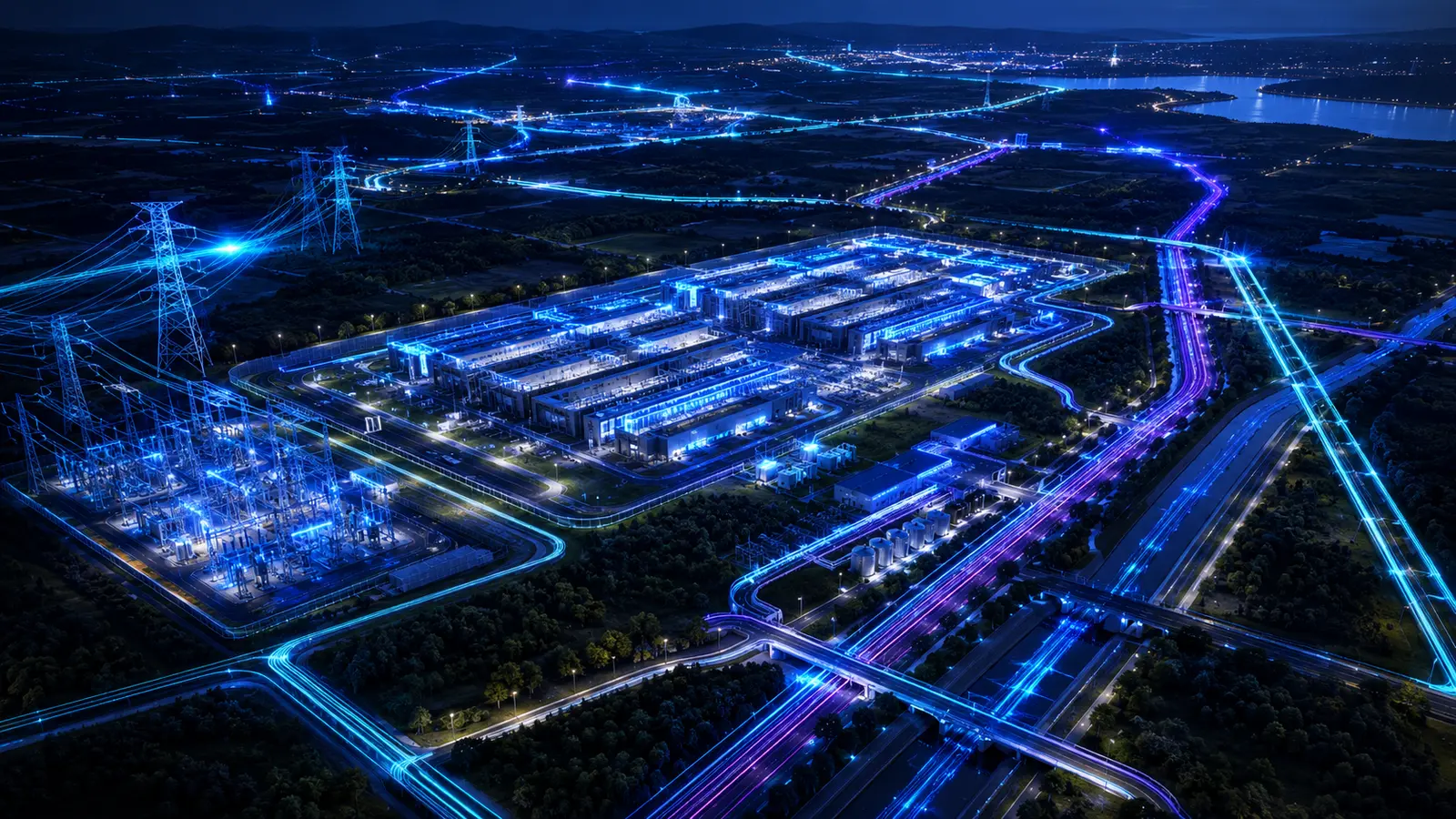
Data Center Off-Site Infrastructure: Roads, Power, Water, Fiber, and Easements
A campus is not feasible until roads, transmission, substations, water, wastewater, stormwater outfalls, fiber, easements, cost, schedule, ownership, and maintenance are integrated with the land decision.
Site Feasibility + Consultant Leadership
Land Development
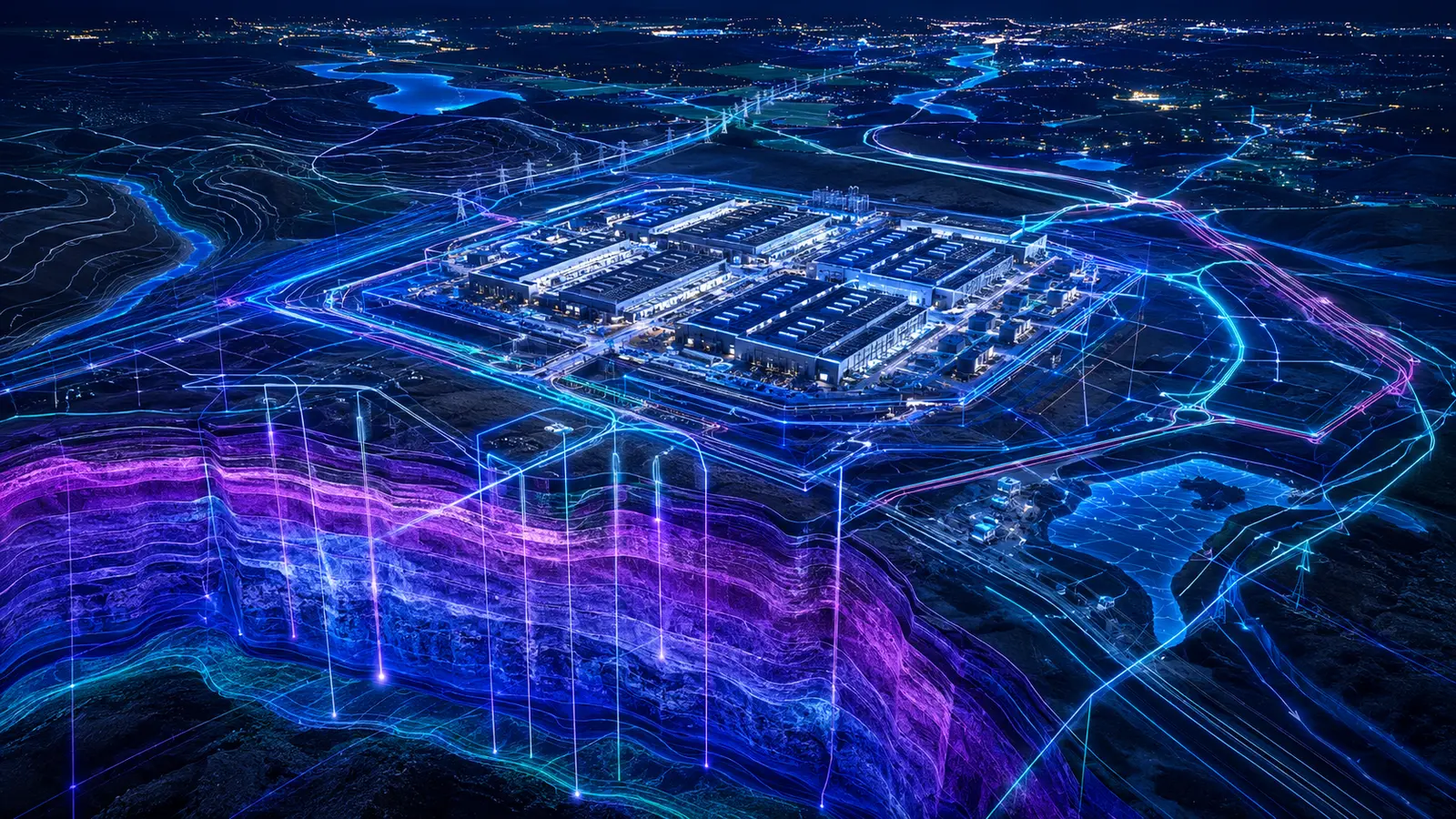
Leading a Data Center Site-Feasibility Team Before Acquisition
The owner's job is not to collect discipline reports. It is to give the consultant team one decision basis, expose interfaces and contradictions, and convert incomplete evidence into an acquisition recommendation.
Commercial Risk + Land Acquisition
Land Development
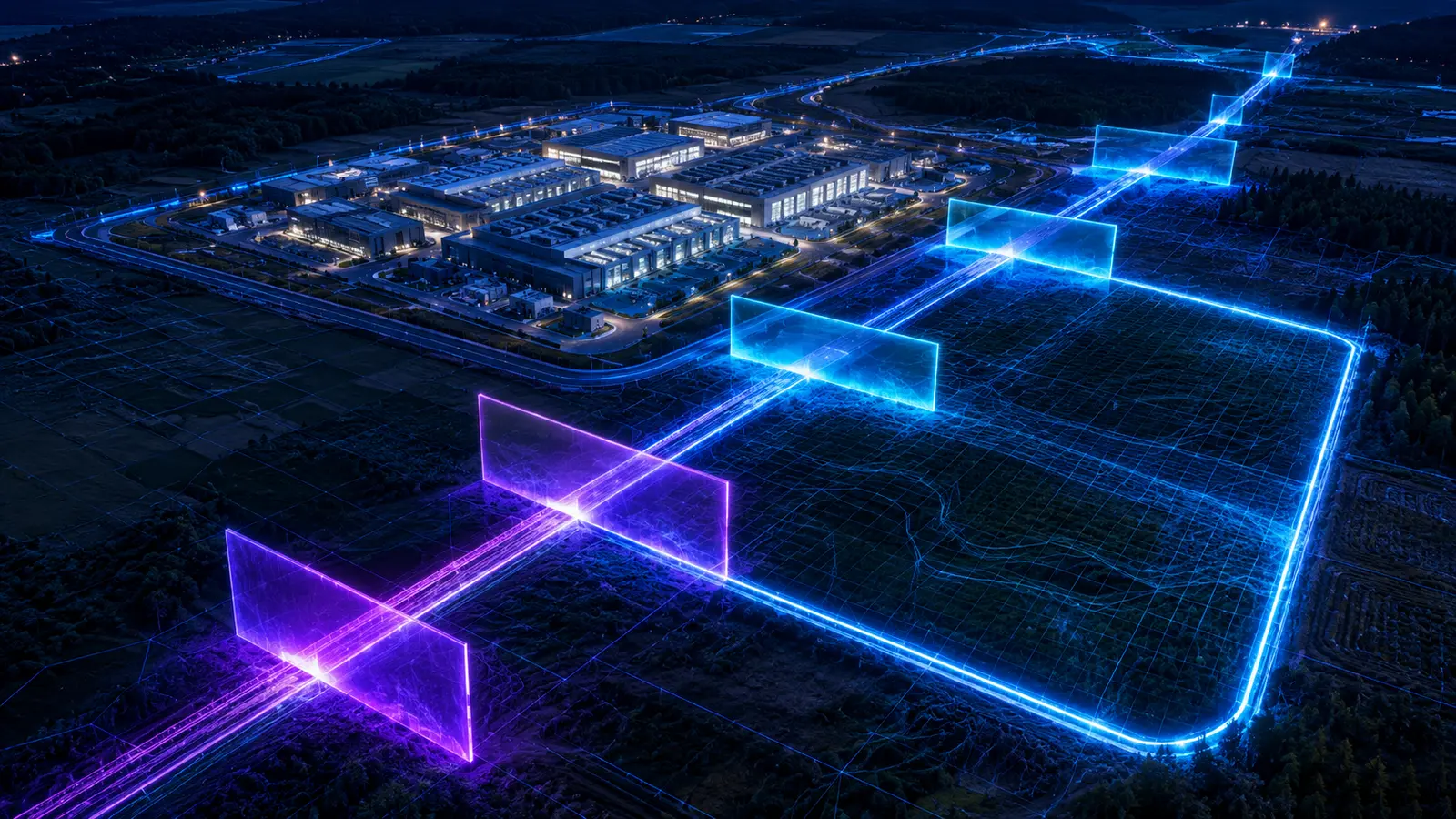
Commercial Controls for Data Center Land Acquisition
Site control should buy time and evidence, not merely land. Options, diligence rights, deposits, conditions, milestones, easements, utility obligations, cost allocation, and remedies should track the uncertainties that can change campus value.
Title + Survey + Land Rights
Land Development
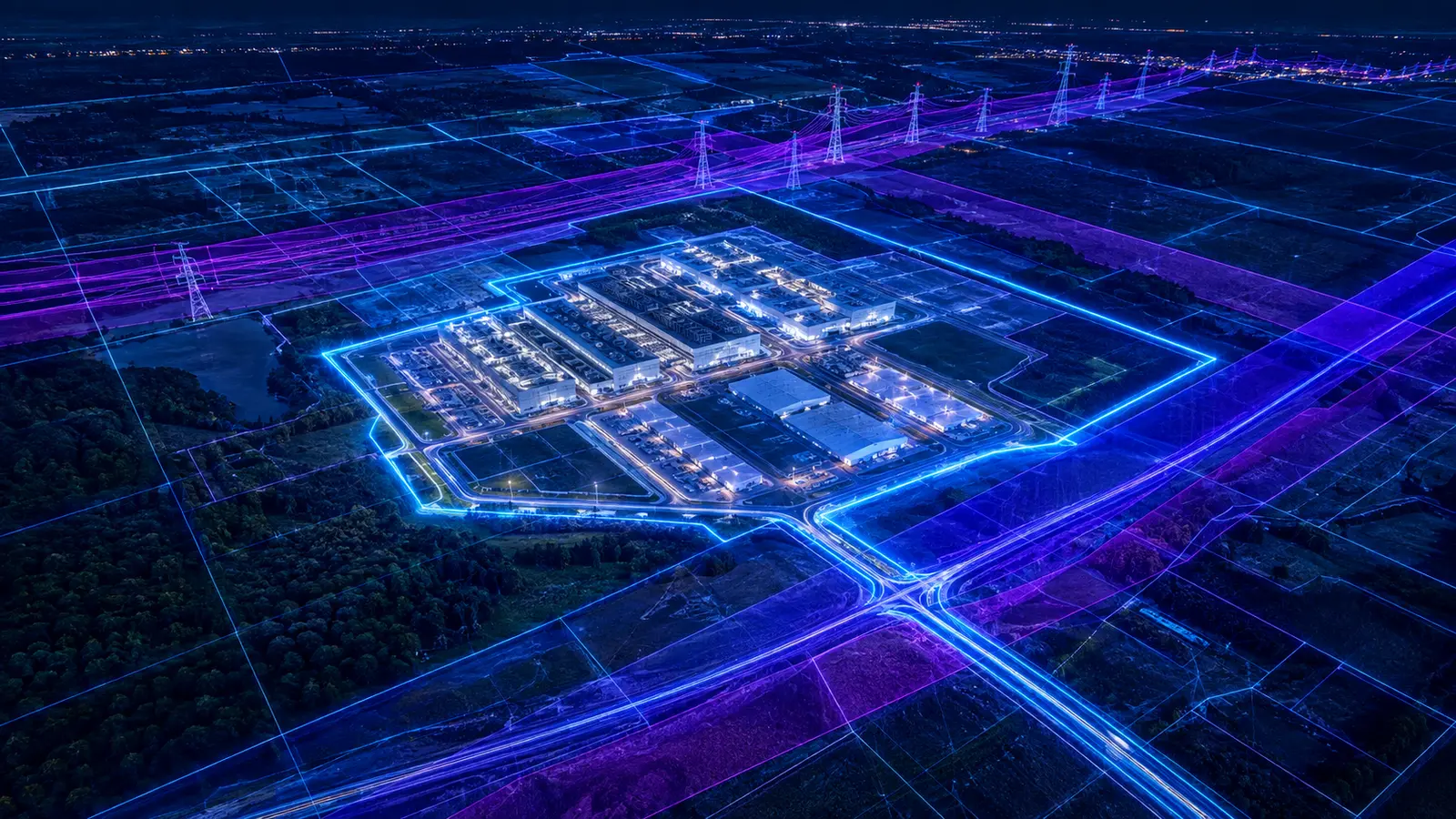
Data Center Title, Survey, Easement, and Legal Access Due Diligence
A parcel is not development-ready until its boundary, title exceptions, access, utility corridors, construction rights, encroachments, and future-phase land rights support the campus that must actually be built and operated.
Environmental + Physical Site Diligence
Land Development
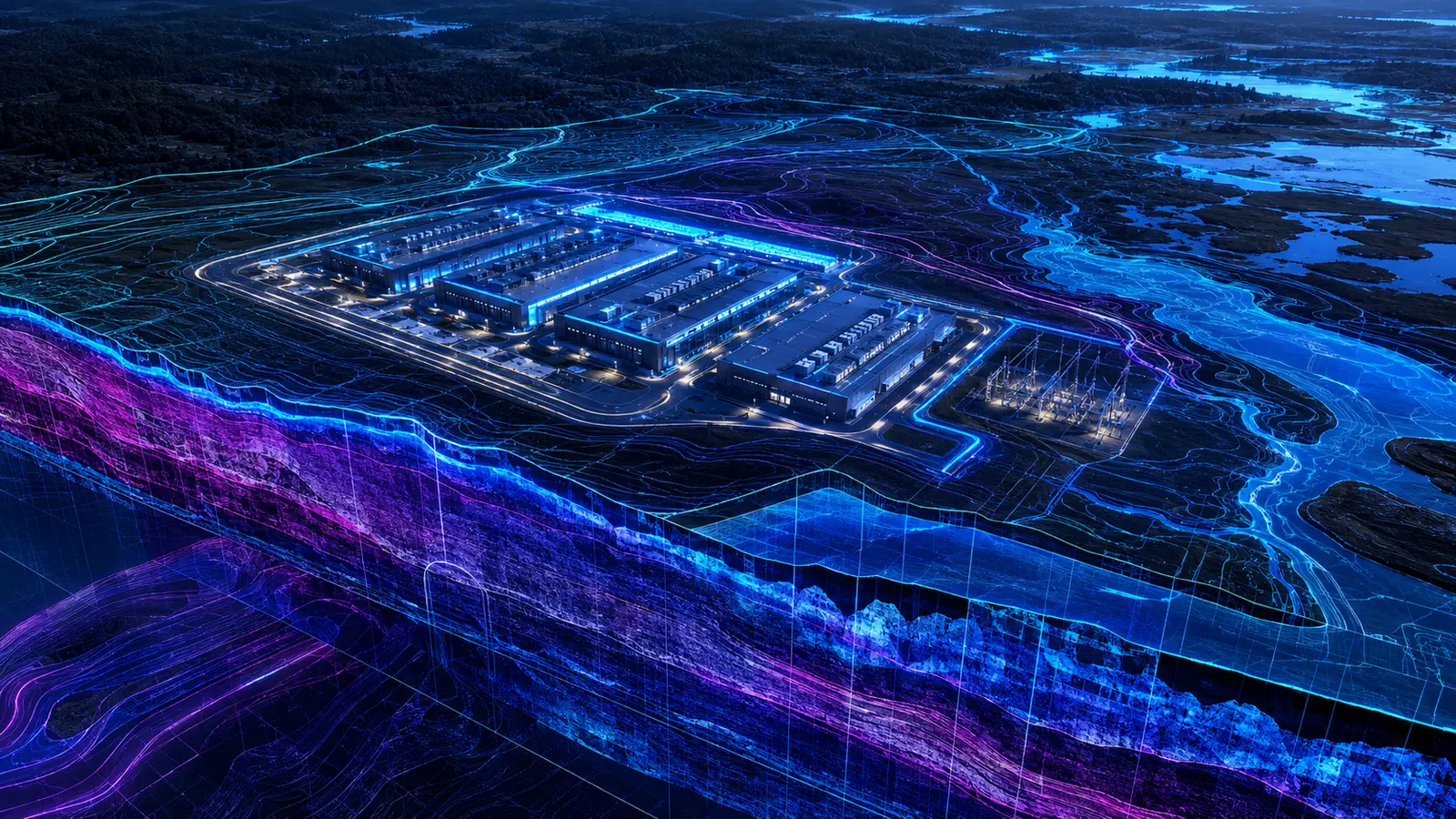
Environmental and Physical Due Diligence for Data Center Site Acquisition
Phase I and II environmental review, wetlands, floodplain, species, cultural resources, geotechnical conditions, grading, drainage, and remediation must be converted into usable land, approval, cost, schedule, and commercial decisions.
Risk-Adjusted Site Selection + Critical Path
Land Development
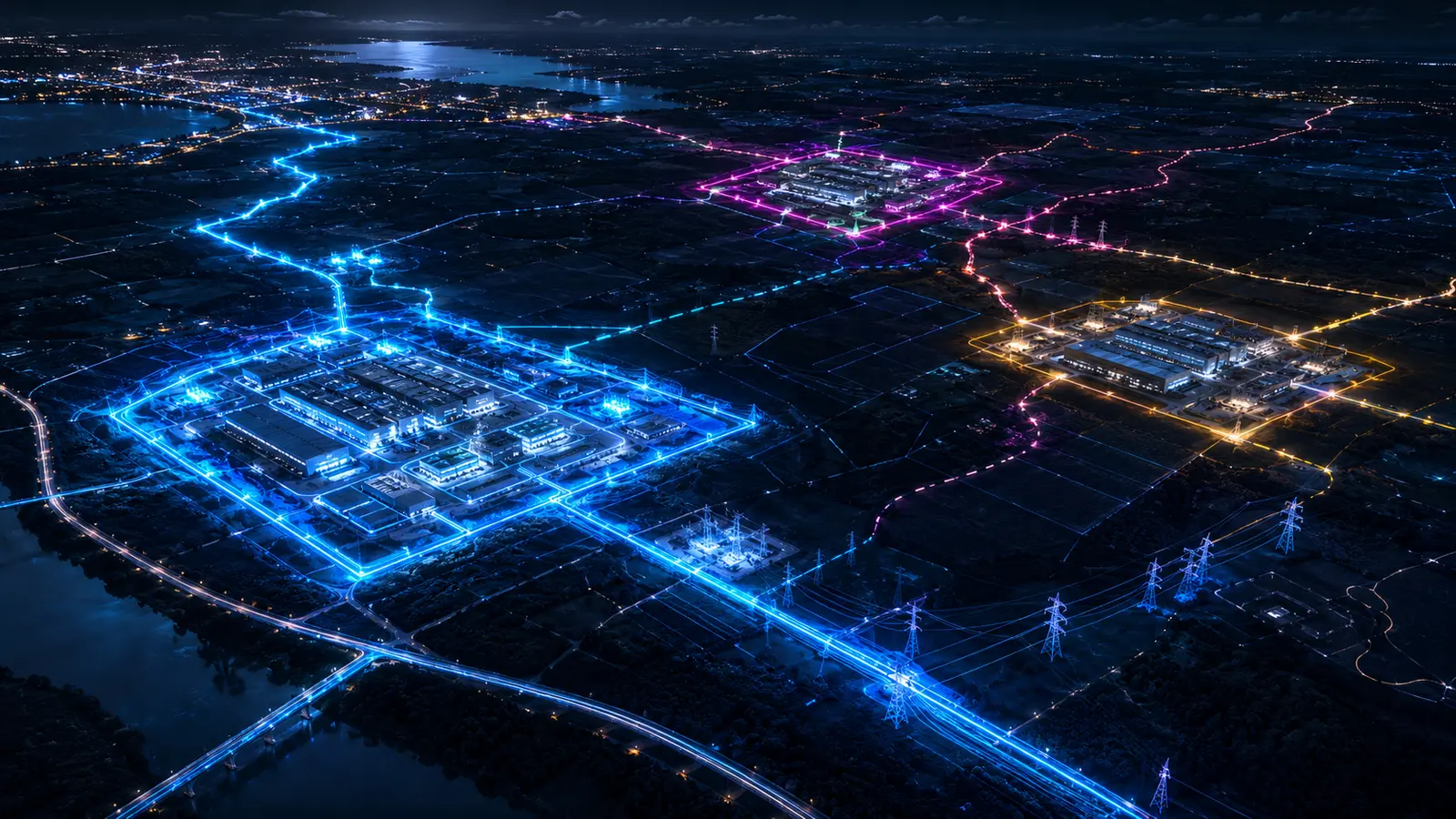
Risk-Adjusted Data Center Site Comparison and Selection
The best parcel is not the one with the highest simple score. It is the site with the strongest evidence-backed path from land control through entitlements, infrastructure, construction, energization, and operation at the required capacity and date.
Entitlement Strategy + Land Use
Land Development
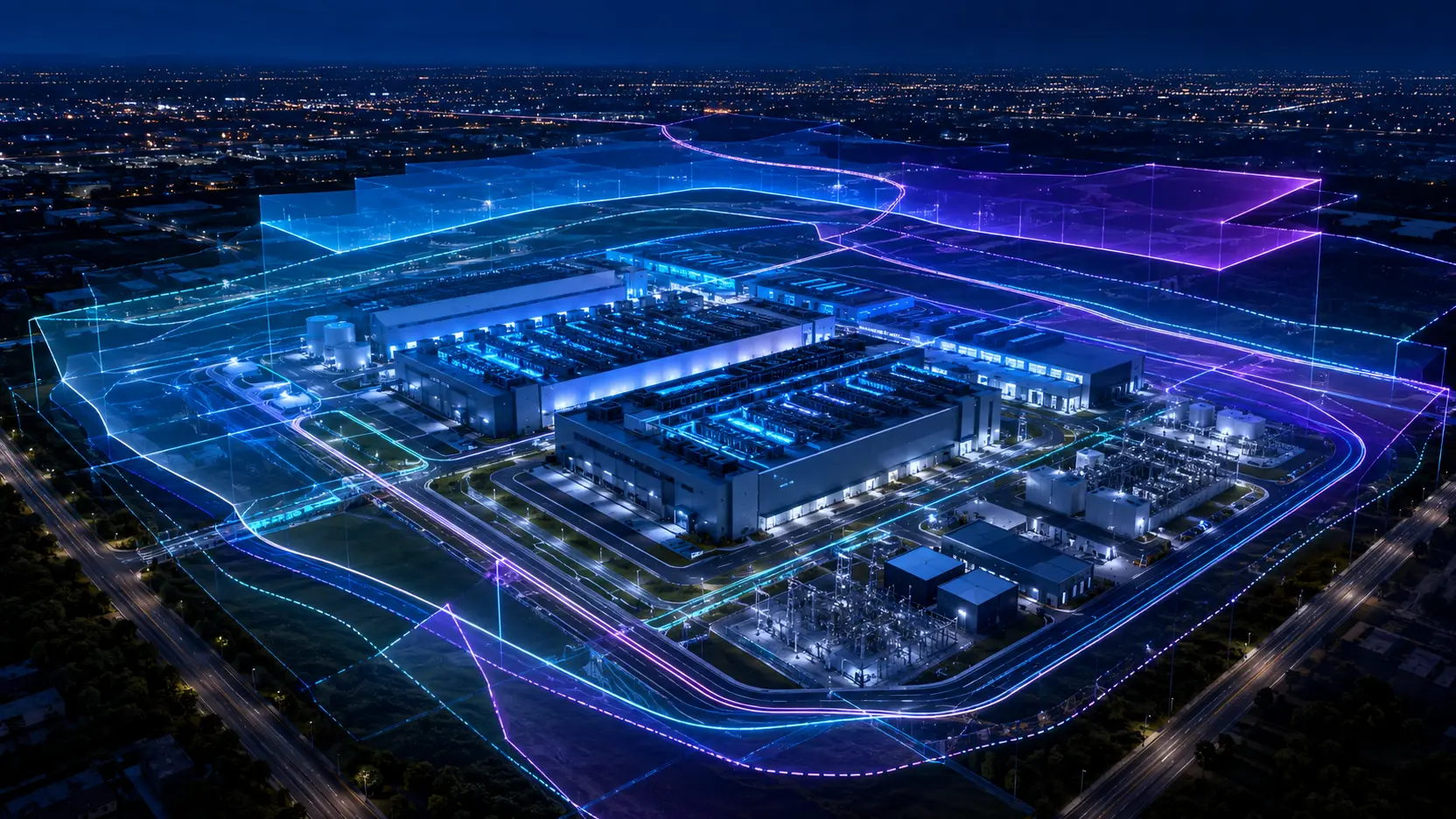
Data Center Entitlement Strategy Before Land Acquisition
A zoning label does not prove that a data center can be approved at the required scale. The land decision needs a jurisdiction-specific path through policy, use approval, hearings, conditions, infrastructure, appeals, and permit release.
Community Engagement + Public Hearings
Land Development
Data Center Community Engagement and Public Hearing Strategy
Public approval is not won by a polished hearing presentation. It is earned through early issue discovery, credible evidence, disciplined commitments, responsive design, and a record that decision-makers can rely on.
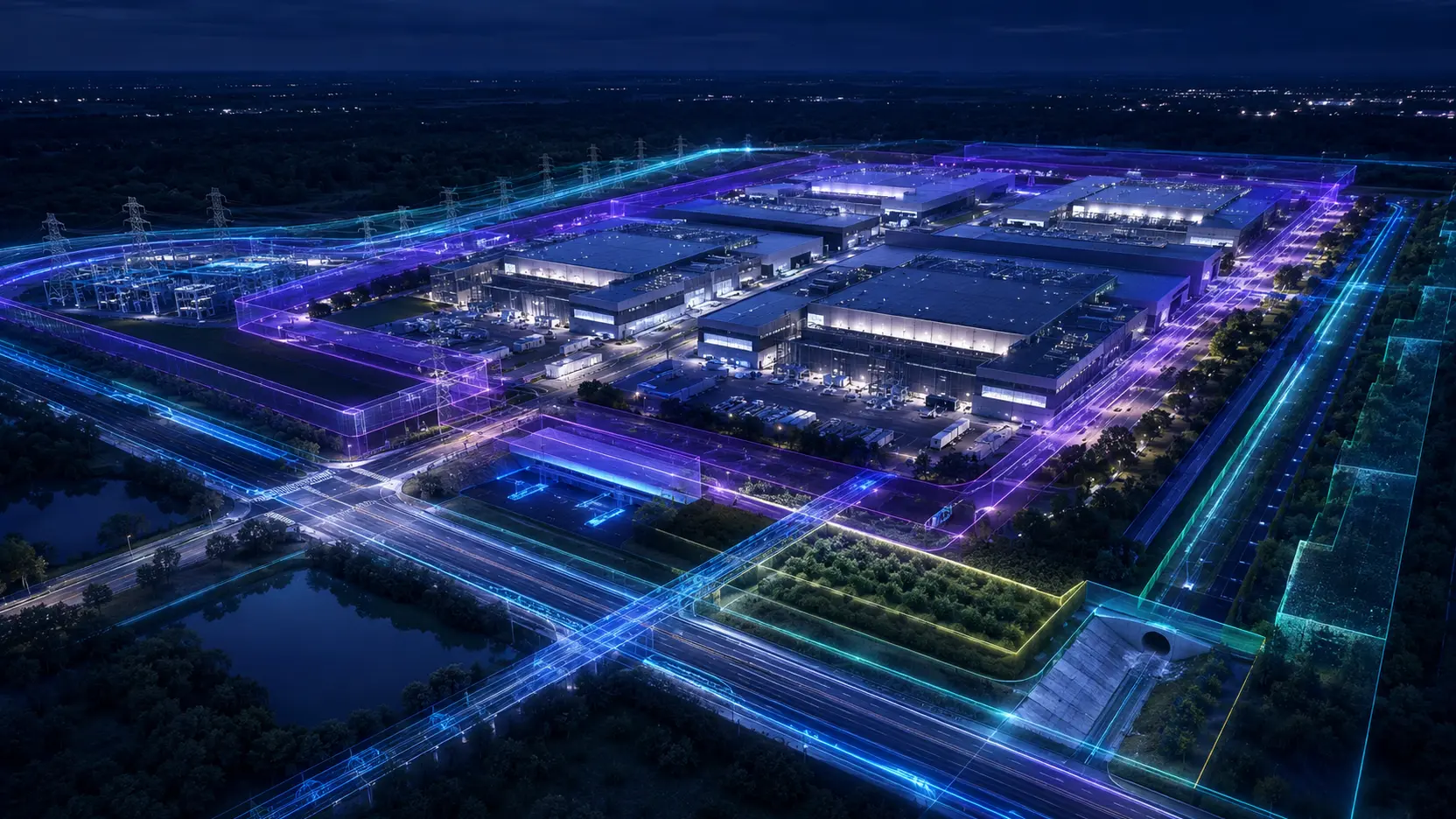
Development Agreements + Approval Conditions
Land Development
Data Center Agreements, Approval Conditions, and Exactions
An approval can still destroy site value if its conditions, proffers, infrastructure obligations, fees, dedications, operating limits, or enforcement terms are legally uncertain, technically infeasible, or disconnected from the capacity plan.
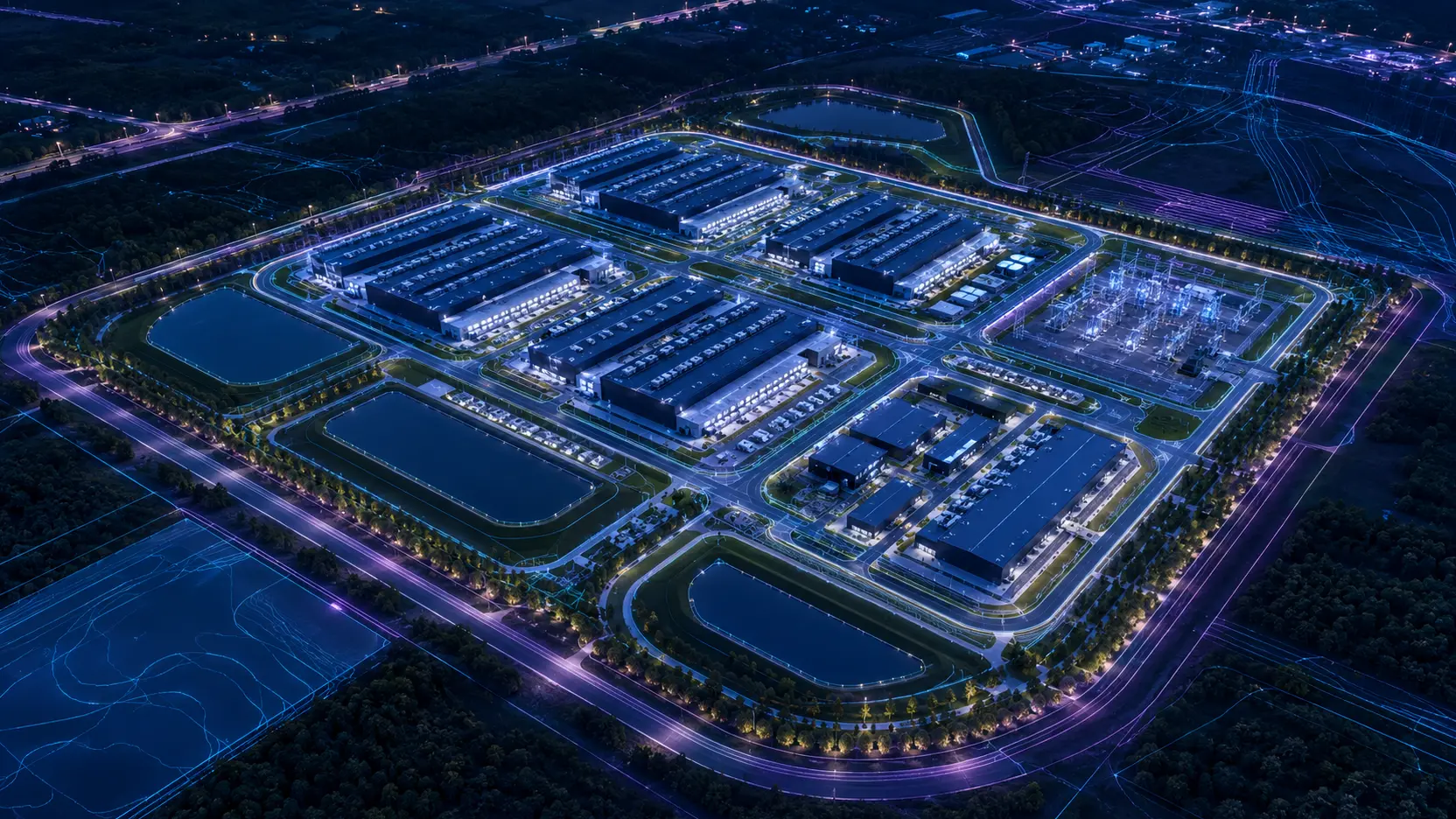
Entitlement Site Planning + Basis of Design
Land Development
Adapting the Data Center Basis of Design for Entitlement Site Planning
A repeatable data center product cannot be dropped onto a parcel unchanged. The entitlement plan must preserve capacity and standardization while proving jurisdiction-specific land use, infrastructure, life-safety, environmental, and community performance.
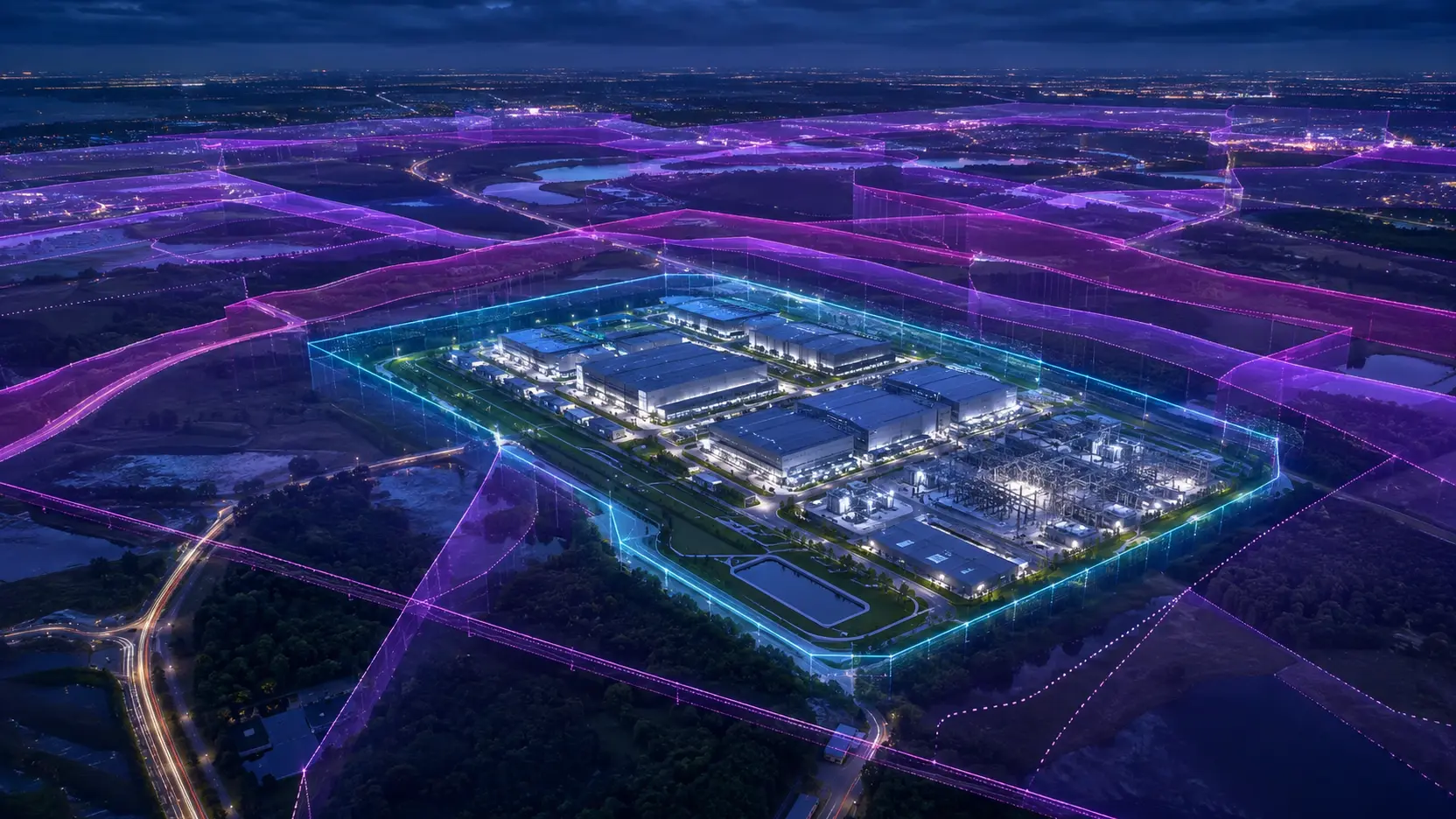
Vesting + Appeals + Entitlement Durability
Land Development
When Is a Data Center Entitlement Truly Durable?
A favorable decision may still be appealable, unvested, conditional, expiring, or vulnerable to plan changes. Capacity strategy needs a jurisdiction-specific test for finality, vesting, validity, amendment, and continued compliance.
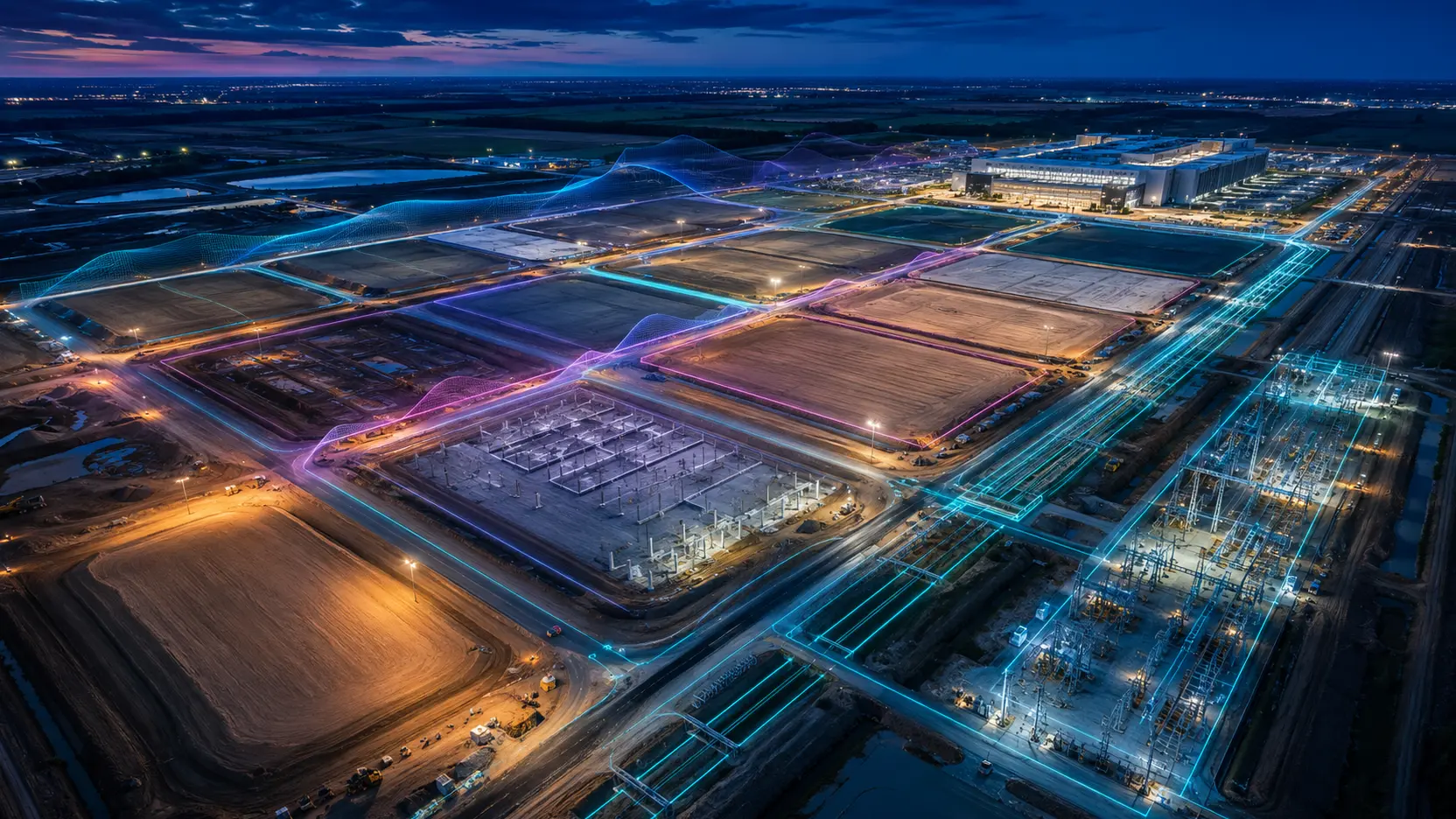
Entitlement-to-Pad-Ready Delivery
Land Development
Data Center Pad-Ready Delivery After Entitlement Approval
Entitled land is not pad-ready land. Capacity delivery depends on converting every condition, permit, route, utility interface, earthwork risk, public improvement, and acceptance requirement into coordinated construction evidence.
Prefabricated Modular Systems
Advanced Capacity Systems
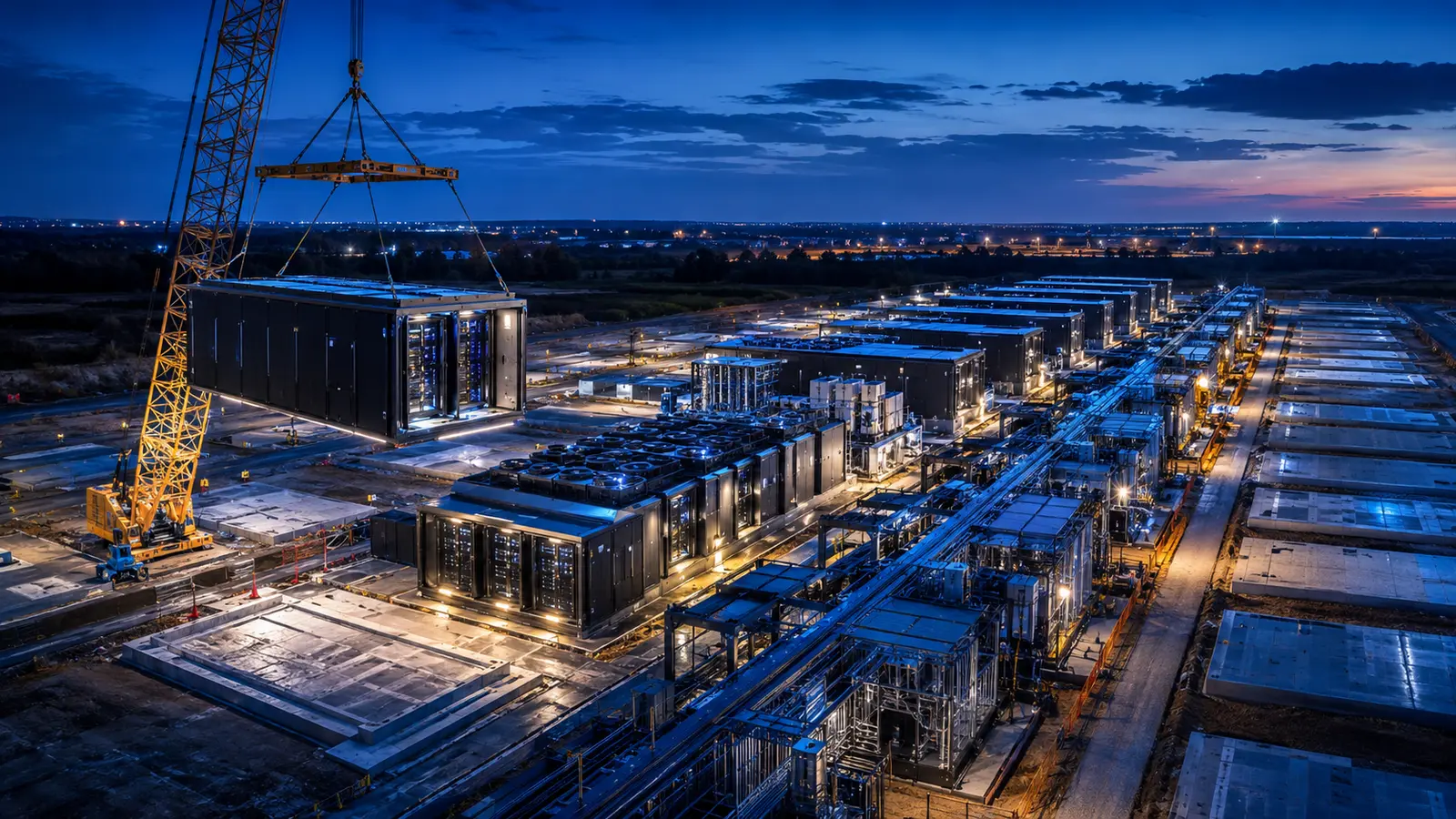
Prefabricated Modular Data Center Planning, Delivery, and Commissioning
A modular data center is not a container placed on a pad. It is a factory-manufactured capacity system whose land, backbone, interfaces, logistics, code path, testing, operations, and future expansion must be designed as one delivery architecture.

AI Factories
Advanced Capacity Systems
AI Factory Planning for GPU Superclusters and Productive Compute
An AI factory is not a conventional data hall with denser racks. It is a synchronized system of accelerators, fabric, storage, power, liquid cooling, software, and operations whose real output is reliable computational work.
Extreme-Density Infrastructure
Advanced Capacity Systems
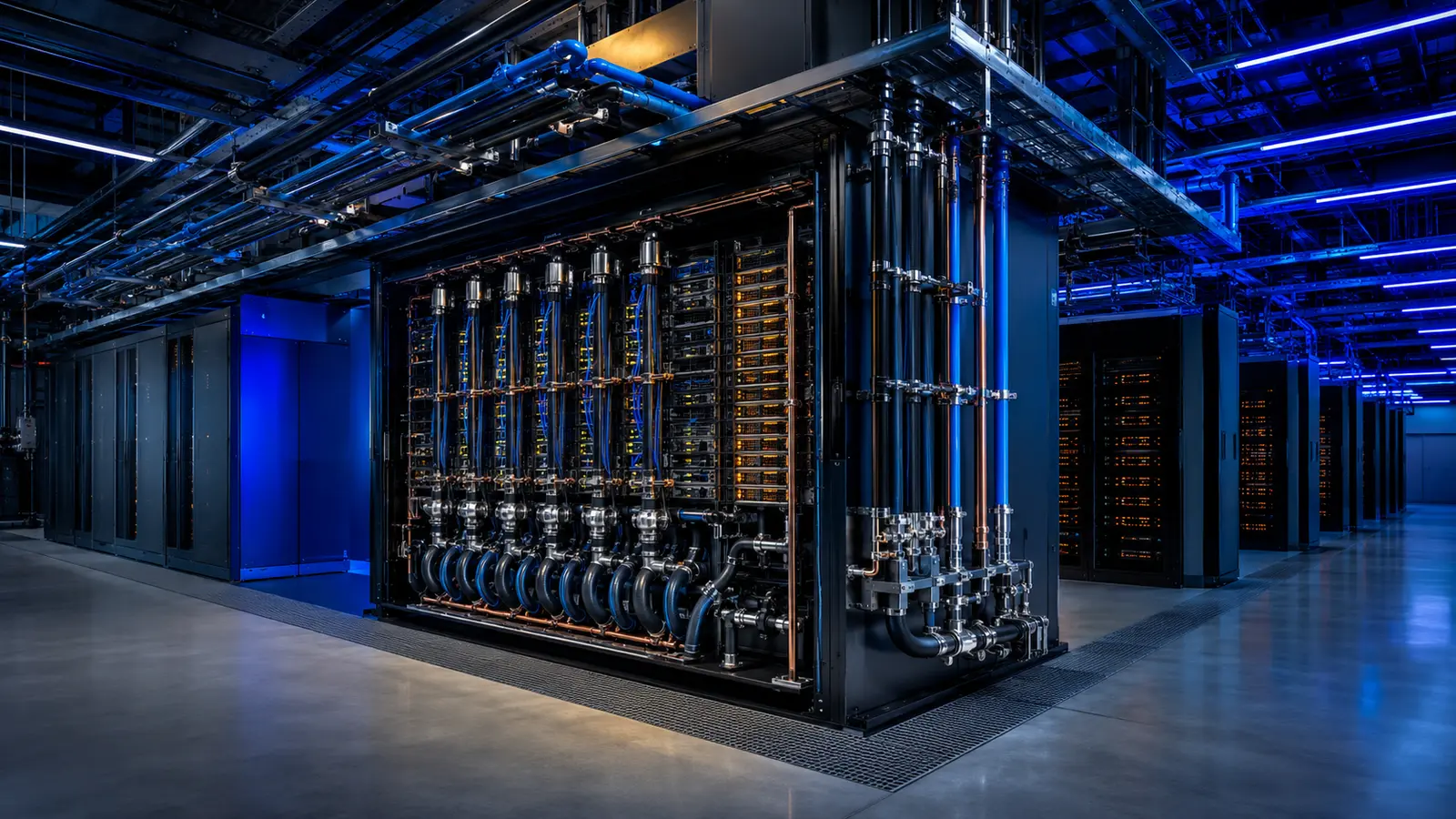
Extreme-Density Data Center Planning: 100 kW to 1 MW per Rack
Extreme rack density changes much more than cooling. It reshapes electrical distribution, hydraulics, structure, fire strategy, service access, controls, commissioning, and the size of every credible failure domain.
Grid-Interactive Campuses
Advanced Capacity Systems
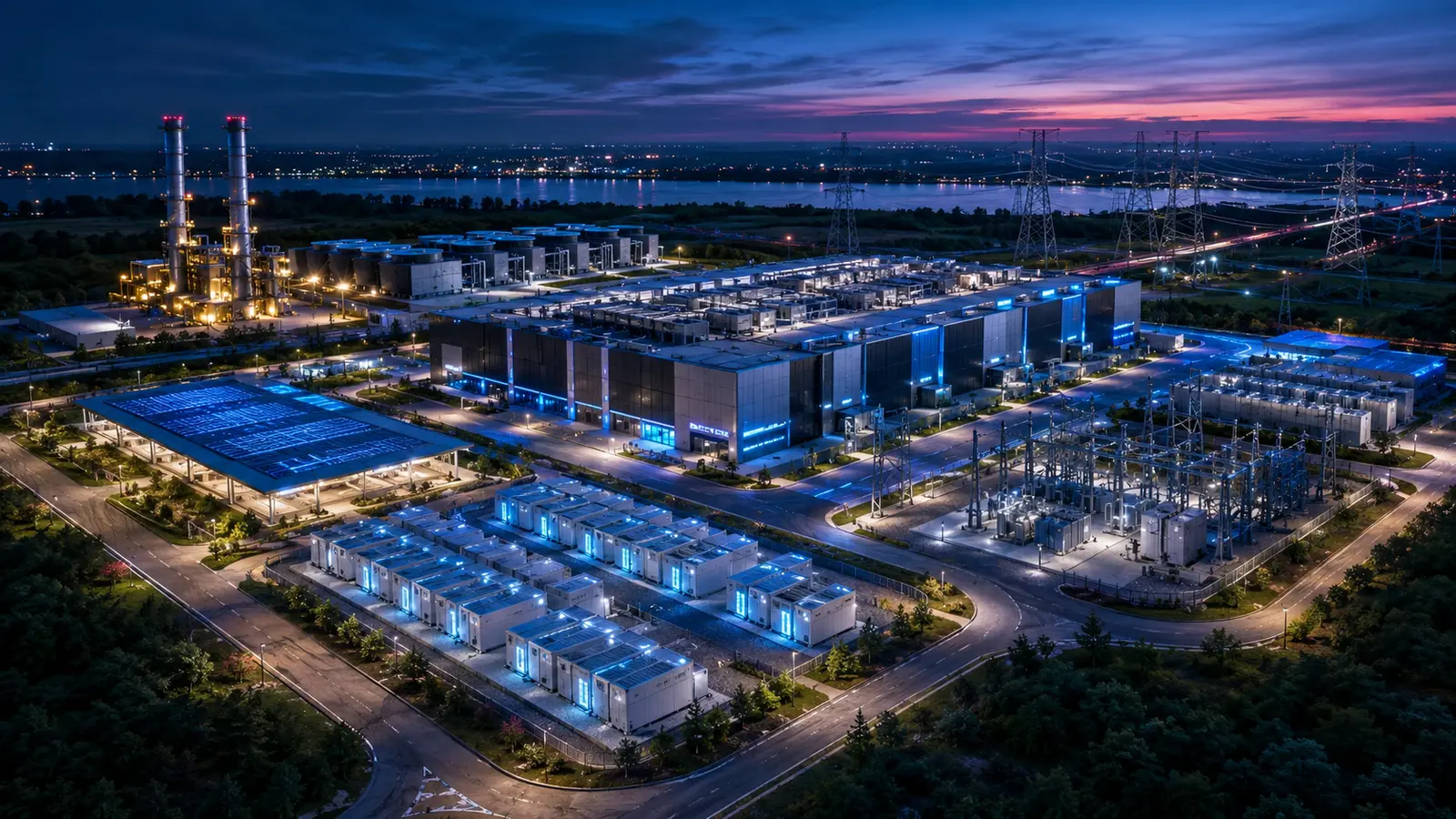
Grid-Interactive Data Centers: On-Site Generation, Storage, and Flexible Load
A self-powered data center is rarely an island. The stronger model is a grid-interactive campus that coordinates utility supply, on-site generation, storage, flexible workload, and resilient operation under one control and commercial architecture.
Brownfield Transformation
Advanced Capacity Systems
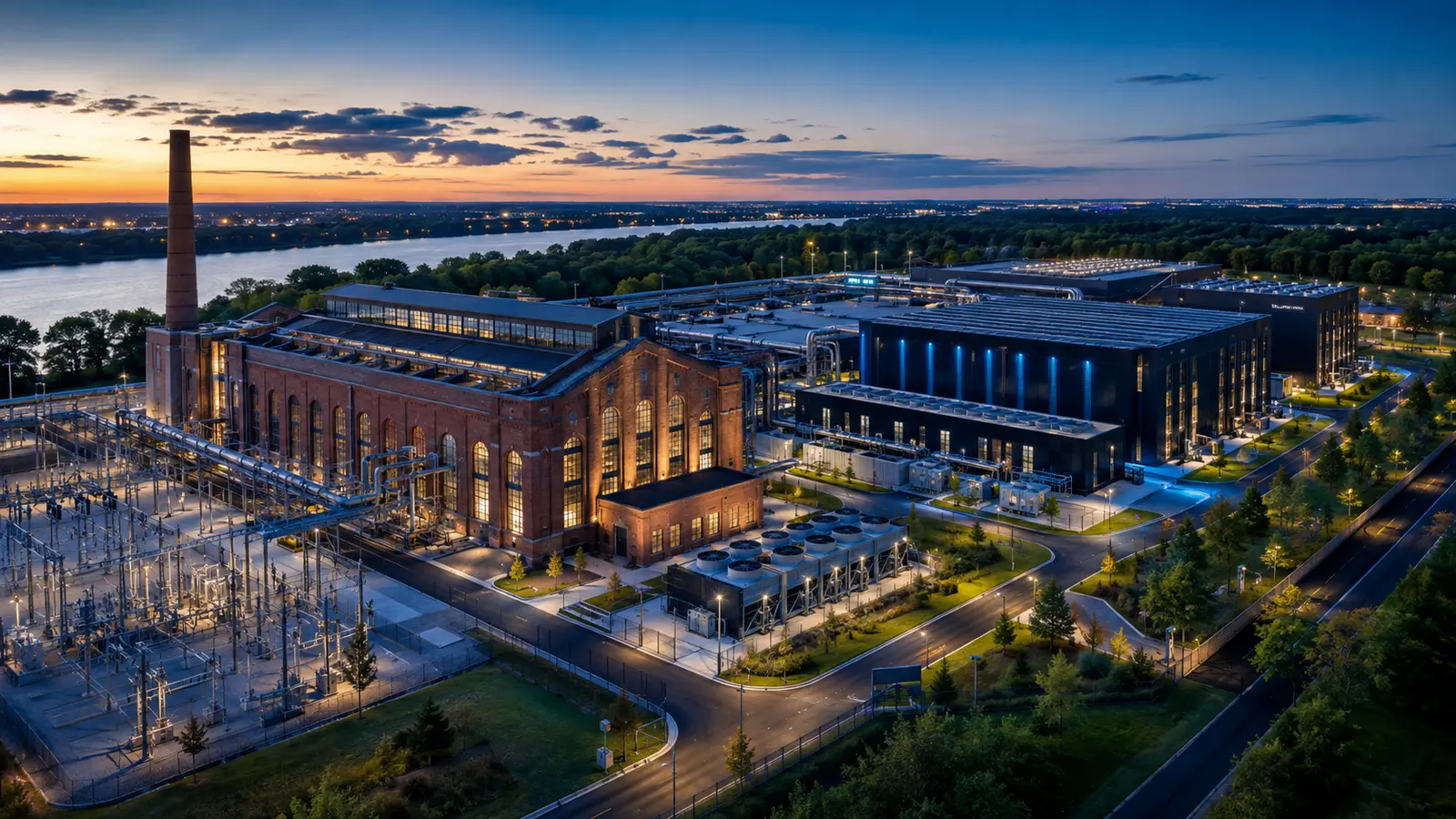
Converting Industrial Brownfields into Data Center Campuses
A former power station, factory, or logistics site can offer grid access, structure, water, transport, and community value—but only a disciplined evidence process can separate reusable advantage from inherited liability.
Sovereign AI Infrastructure
Advanced Capacity Systems
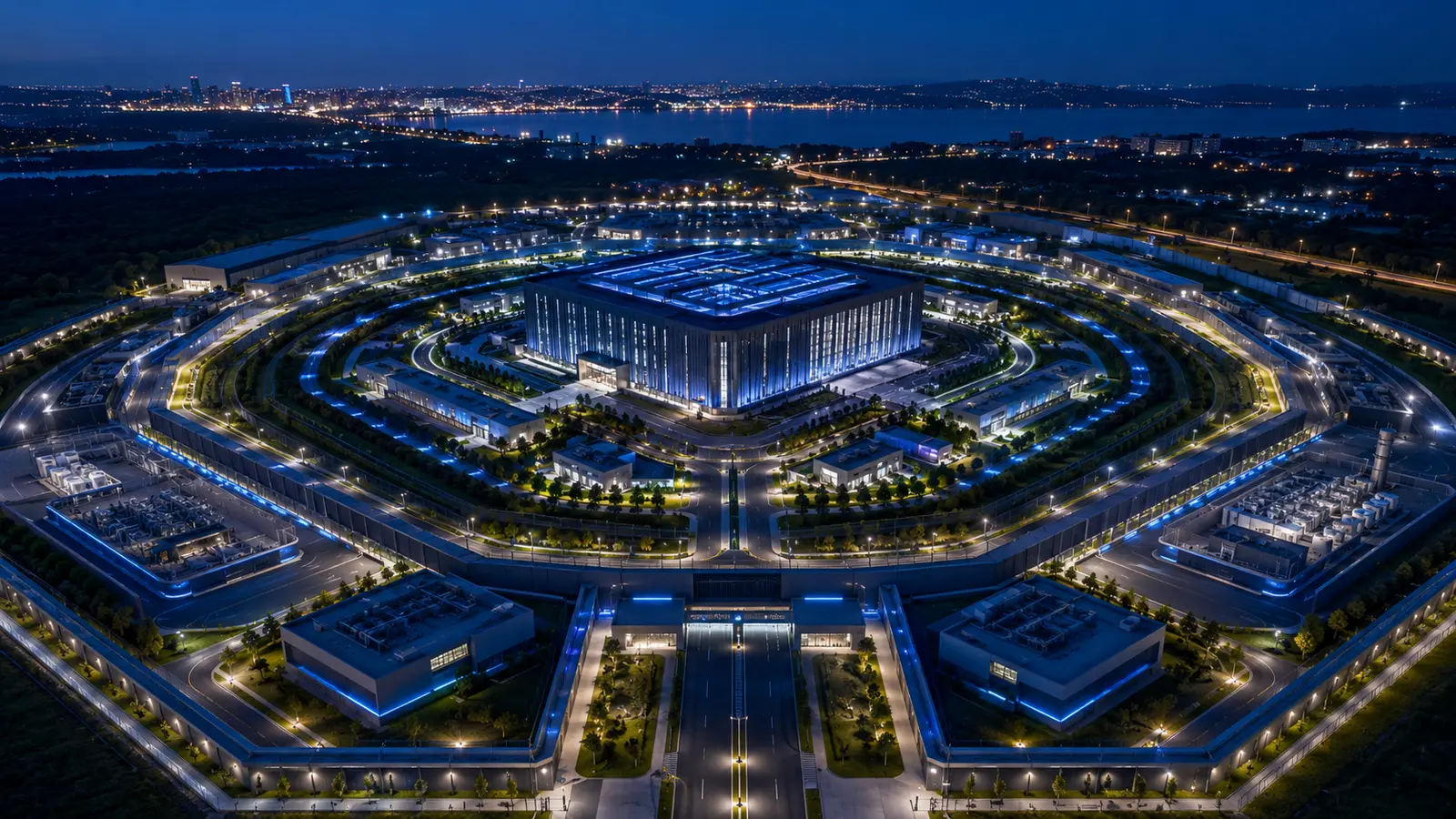
Sovereign AI Data Centers: Security, Control, and National Resilience
Sovereignty is not the location of a server. It is the provable ability to govern data, identities, encryption, operations, suppliers, software, and continuity under the laws and threat model that matter.
Sustainable Data Centers
Sustainability Series · 01
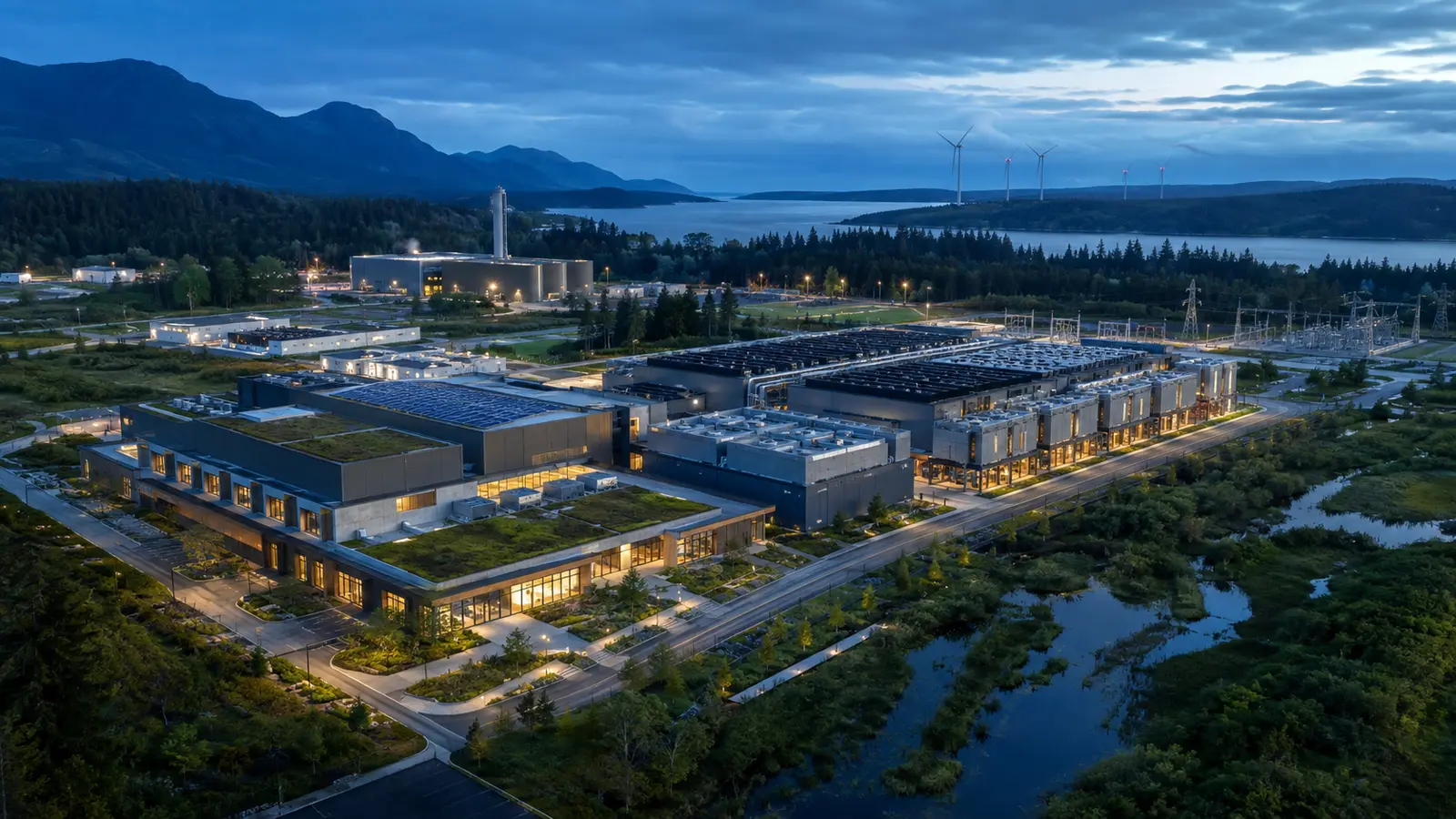
Sustainable Data Center Development: Site Selection Through Carbon-Free Operations
A sustainable data center is not defined by a low annual Power Usage Effectiveness value or a renewable-energy contract. It is a whole-life infrastructure system that reduces demand, matches electricity by time and place, protects water, limits embodied carbon, enables circularity, restores ecology, and proves its performance in operation.
Hourly Carbon-Free Energy
Sustainability Series · 02
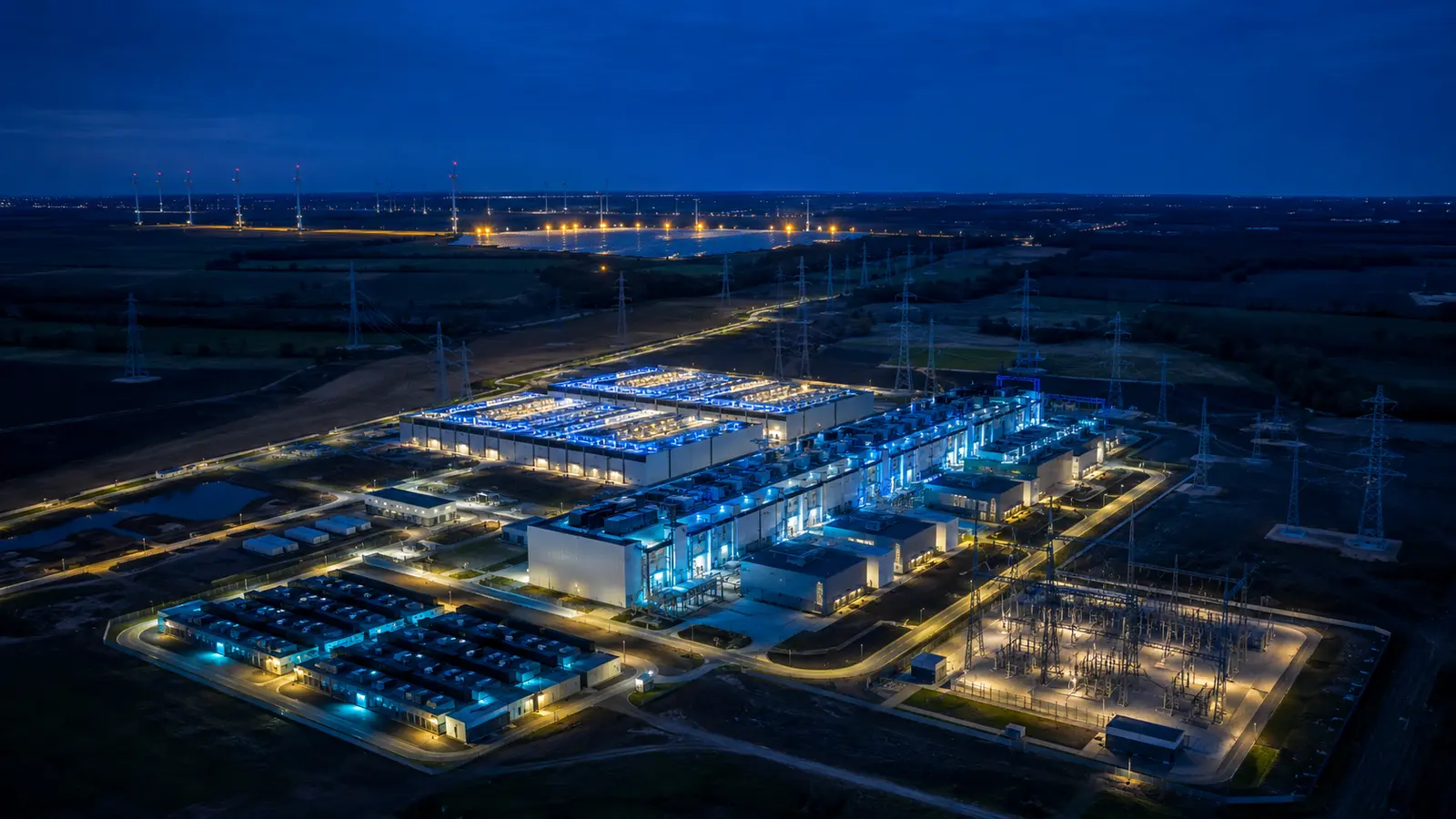
Hourly Carbon-Free Energy Planning for Data Centers
Buying enough renewable energy to match annual consumption does not prove that clean electricity was available when and where a data center used power. Hourly carbon-free energy turns a yearly claim into a grid, portfolio, controls, and workload problem.
Water Stewardship
Sustainability Series · 03
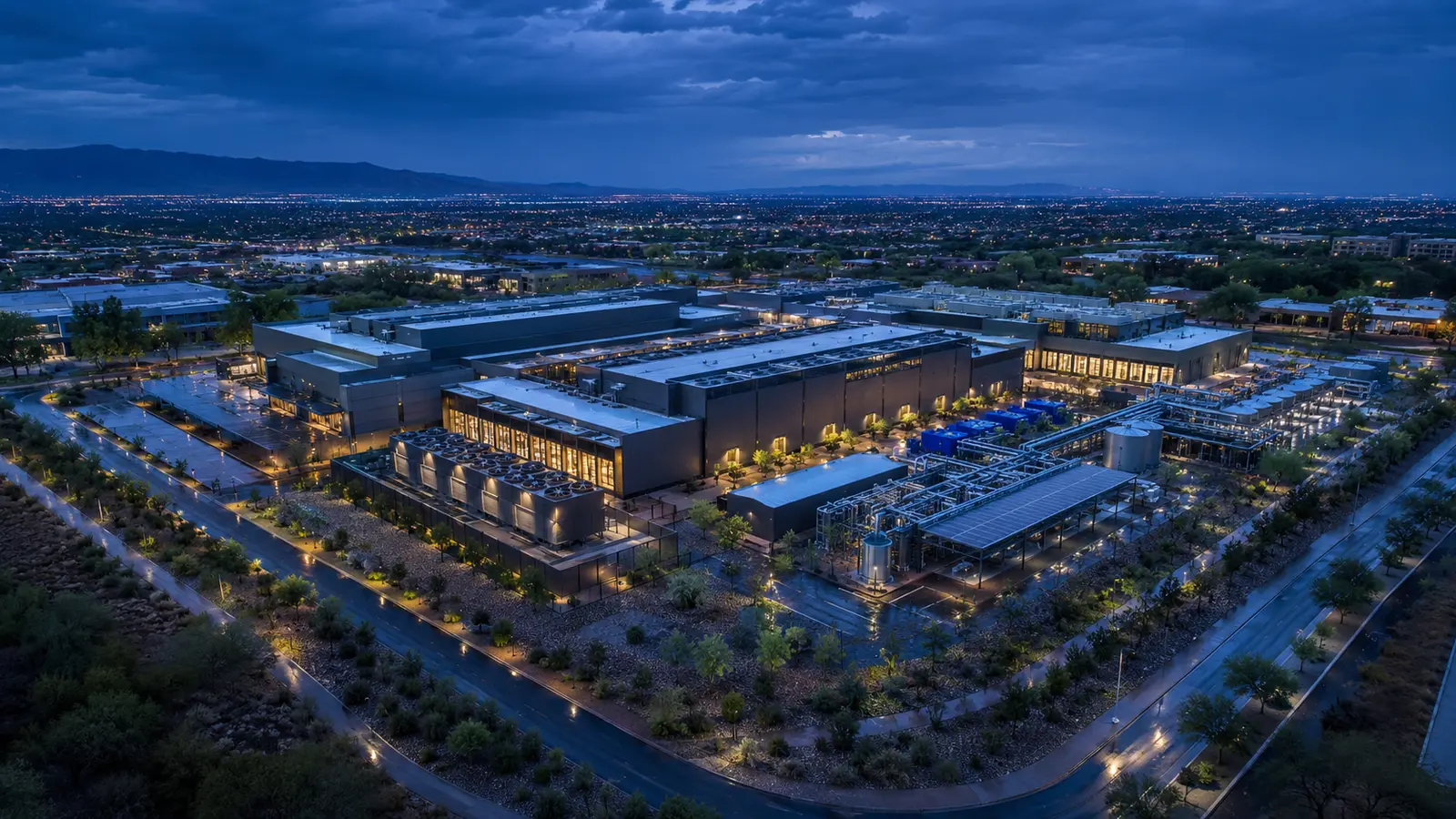
Water-Positive Data Centers: Cooling, Capacity, and Watershed Stewardship
A water-positive claim is credible only when the facility first reduces local consumption and risk, operates safely through drought, protects water quality, and then delivers independently verified watershed benefits beyond its residual impact.
Whole-Life Carbon
Sustainability Series · 04
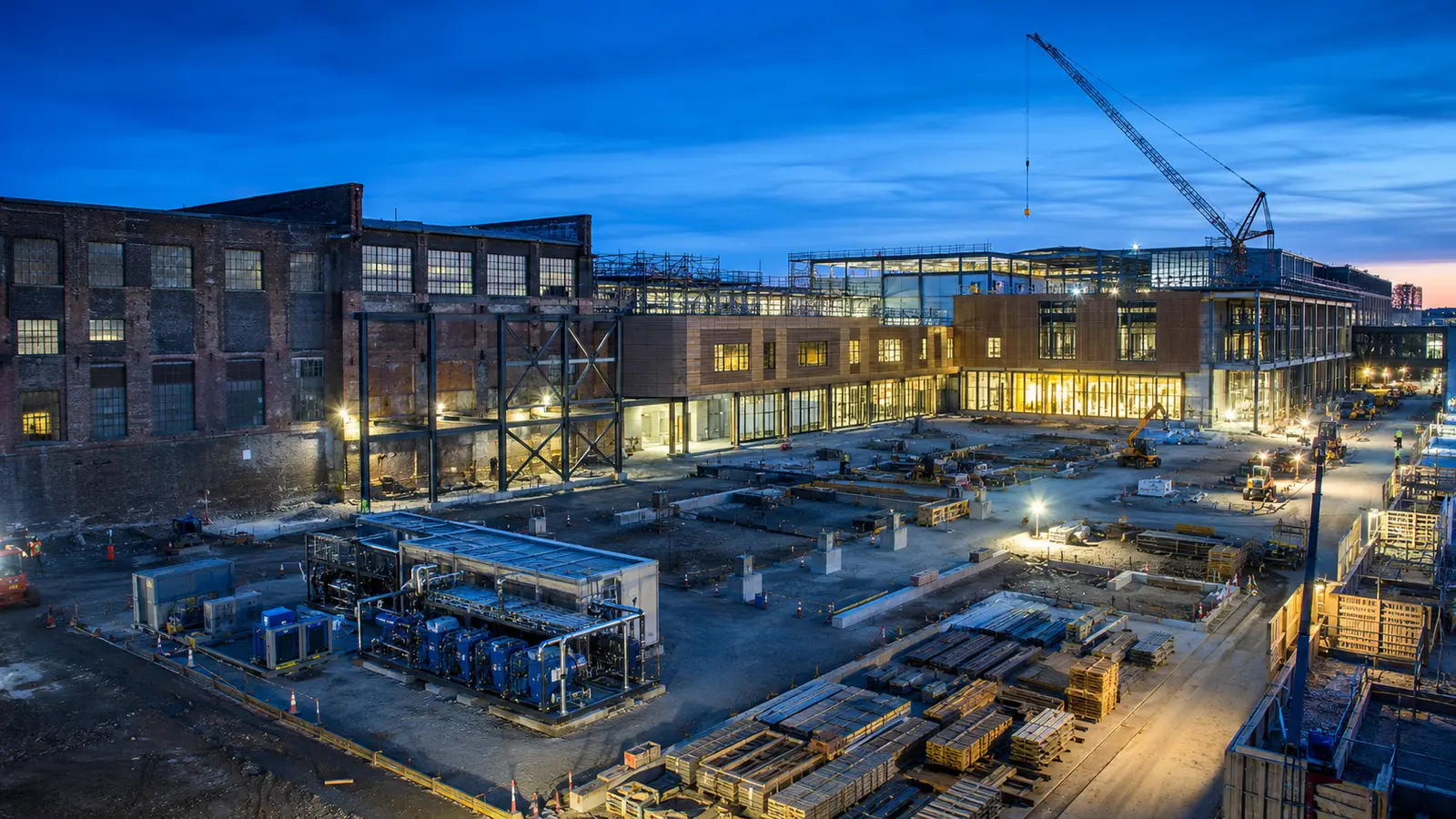
Low-Carbon Data Centers: Embodied Carbon, Circularity, and Adaptable Design
Fast construction and rapid hardware refresh can lock in decades of material impact. Whole-life carbon design treats the site, structure, equipment, refrigerants, replacements, and end of life as one controlled carbon and circularity ledger.
Regenerative Infrastructure
Sustainability Series · 05
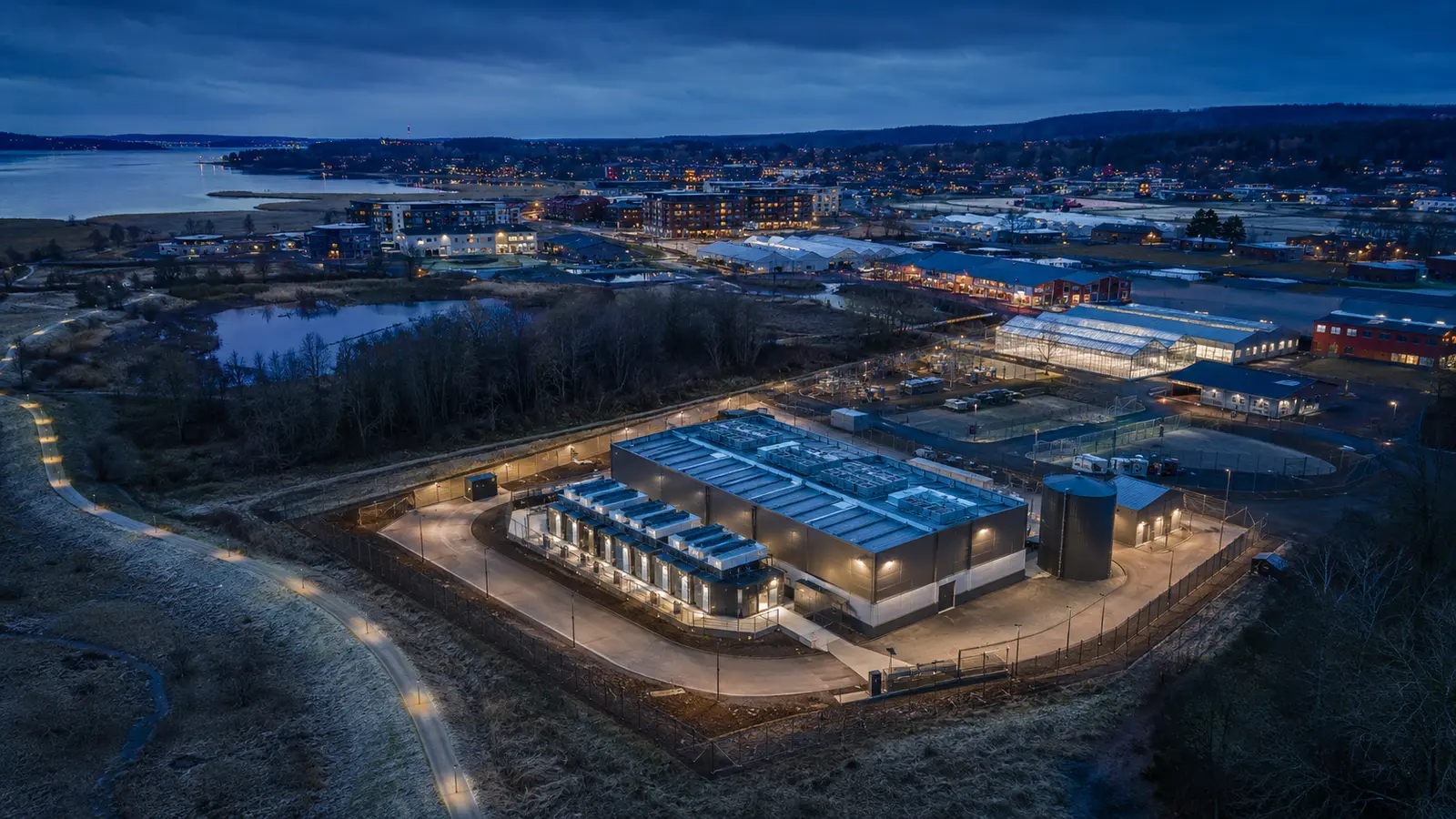
Data Center Heat Reuse, Community Value, and Ecological Infrastructure
A data center creates local value only when recoverable heat reaches a real user, ecological gains survive construction, and community commitments are measured with the same discipline as electrical capacity.
Performance Assurance
Sustainability Series · 06
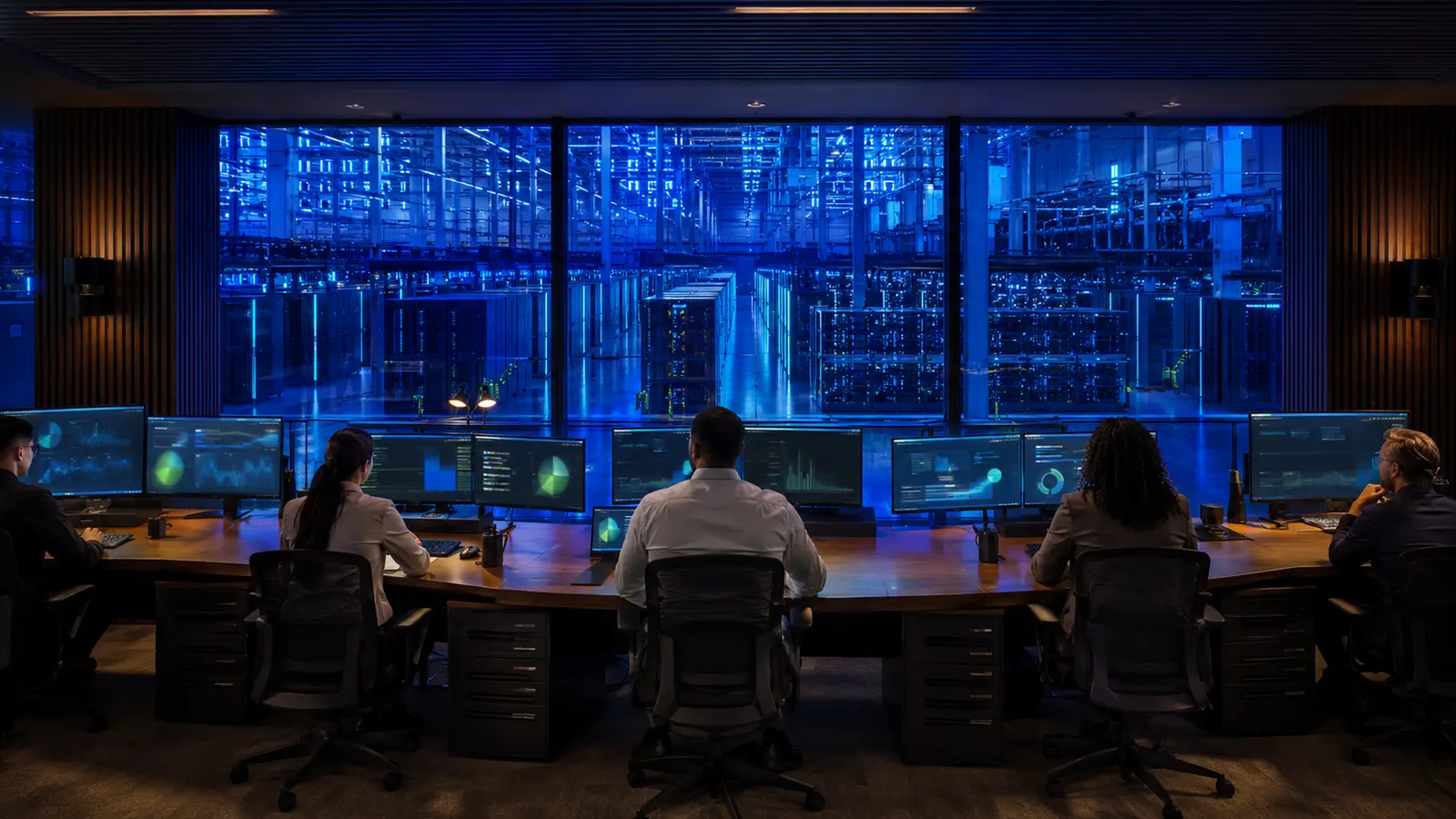
Data Center Sustainability Metrics, Disclosure, and Assurance
The final sustainability system is evidence: controlled boundaries, calibrated meters, traceable data, explicit uncertainty, reconciled claims, and independent assurance strong enough to expose uncomfortable performance.
Architecture + Urban Integration
Next-Generation Data Centers
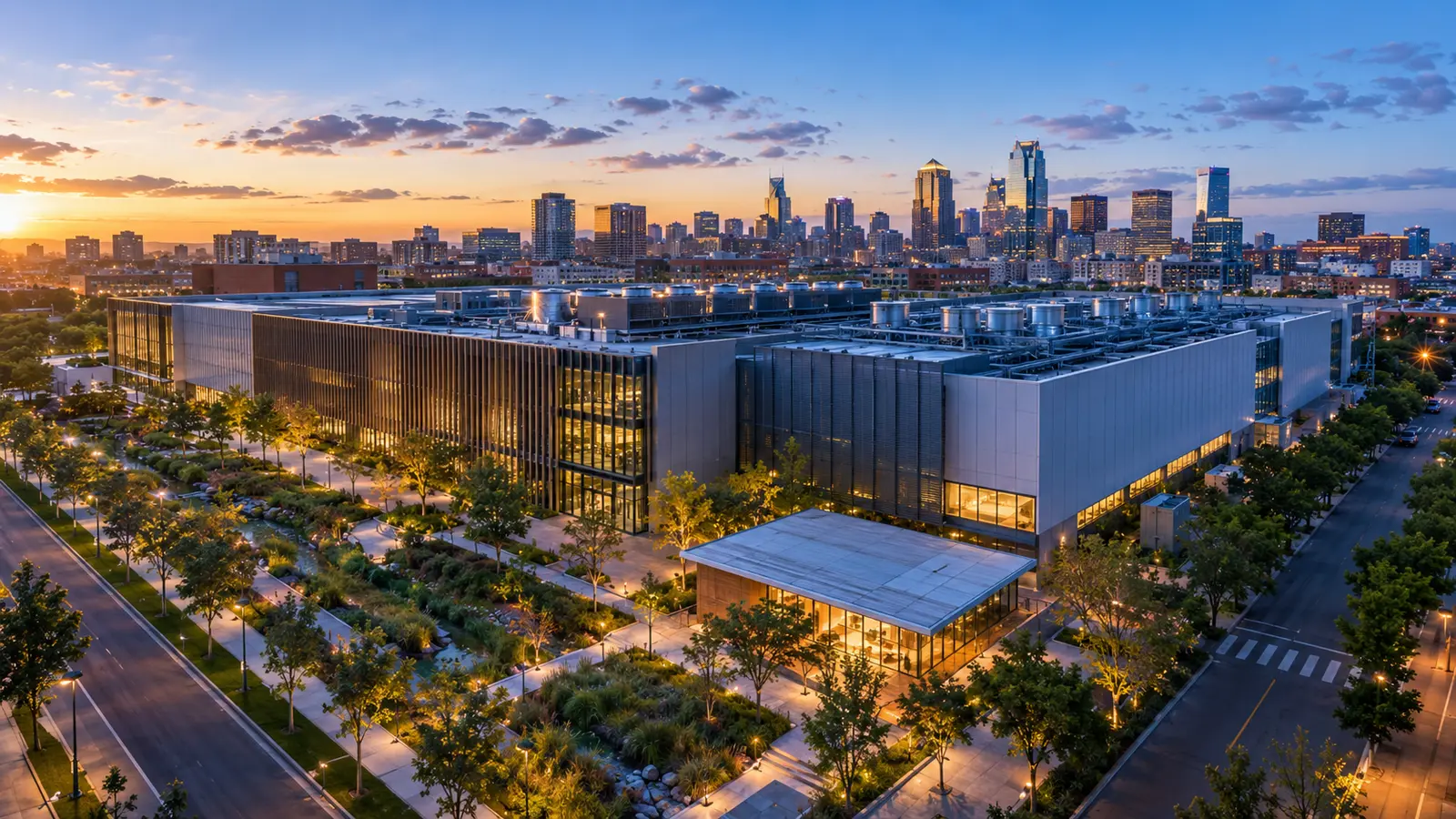
Can Data Centers Become Civic Infrastructure?
As AI infrastructure moves closer to cities, the design problem is no longer only how to hide a secure industrial box. The harder question is whether compute campuses can remain operationally rigorous while creating measurable value beyond the property line.
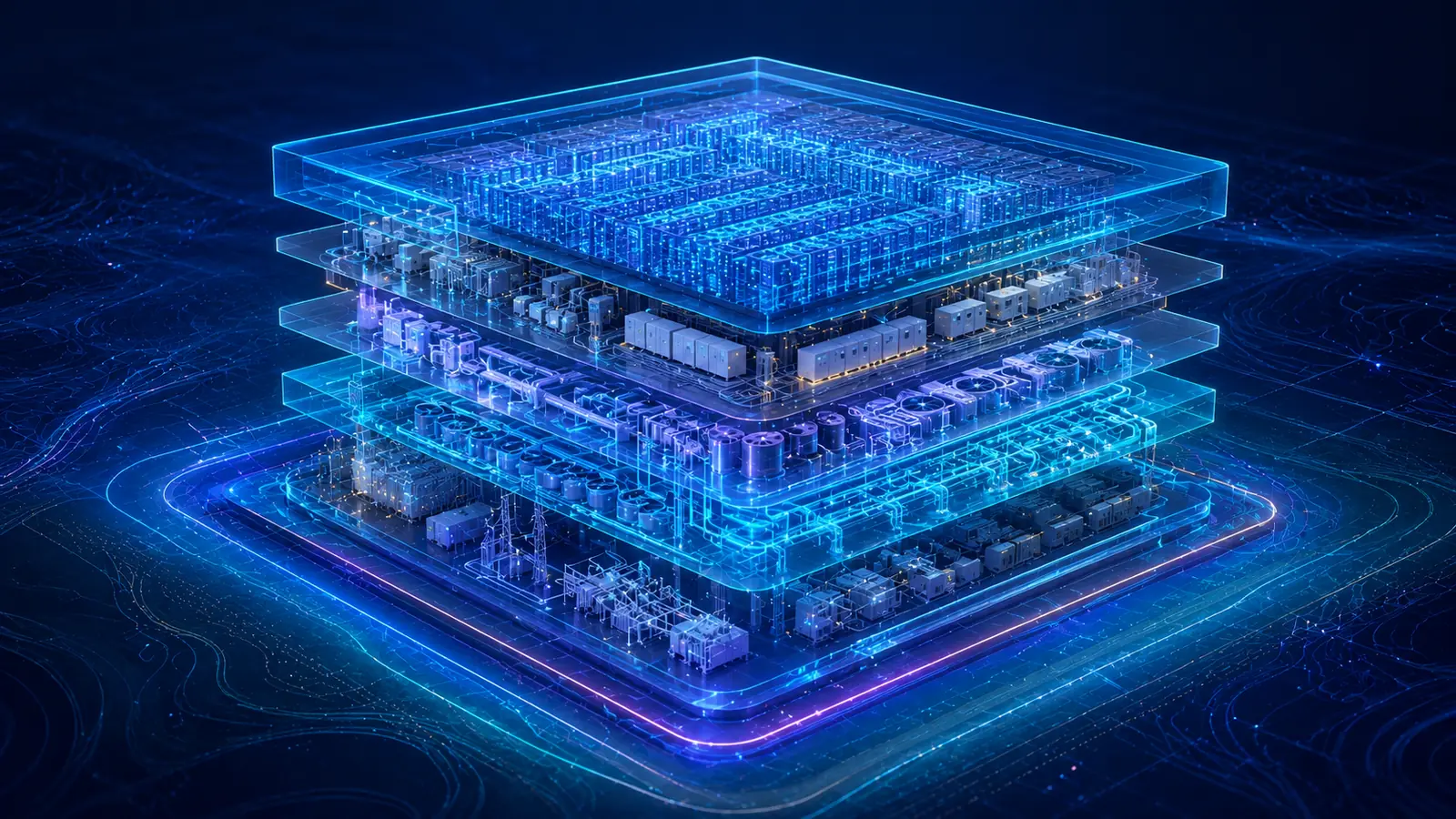
Data Center Economics + Cost Planning
Development Economics
Data Center Development Cost: The Complete Capital Stack
Cost per megawatt is useful only after the megawatt, scope, location, date, density, delivery model, and uncertainty are defined. A decision-grade budget reconciles the complete capital stack instead of comparing attractive ratios with different numerators.
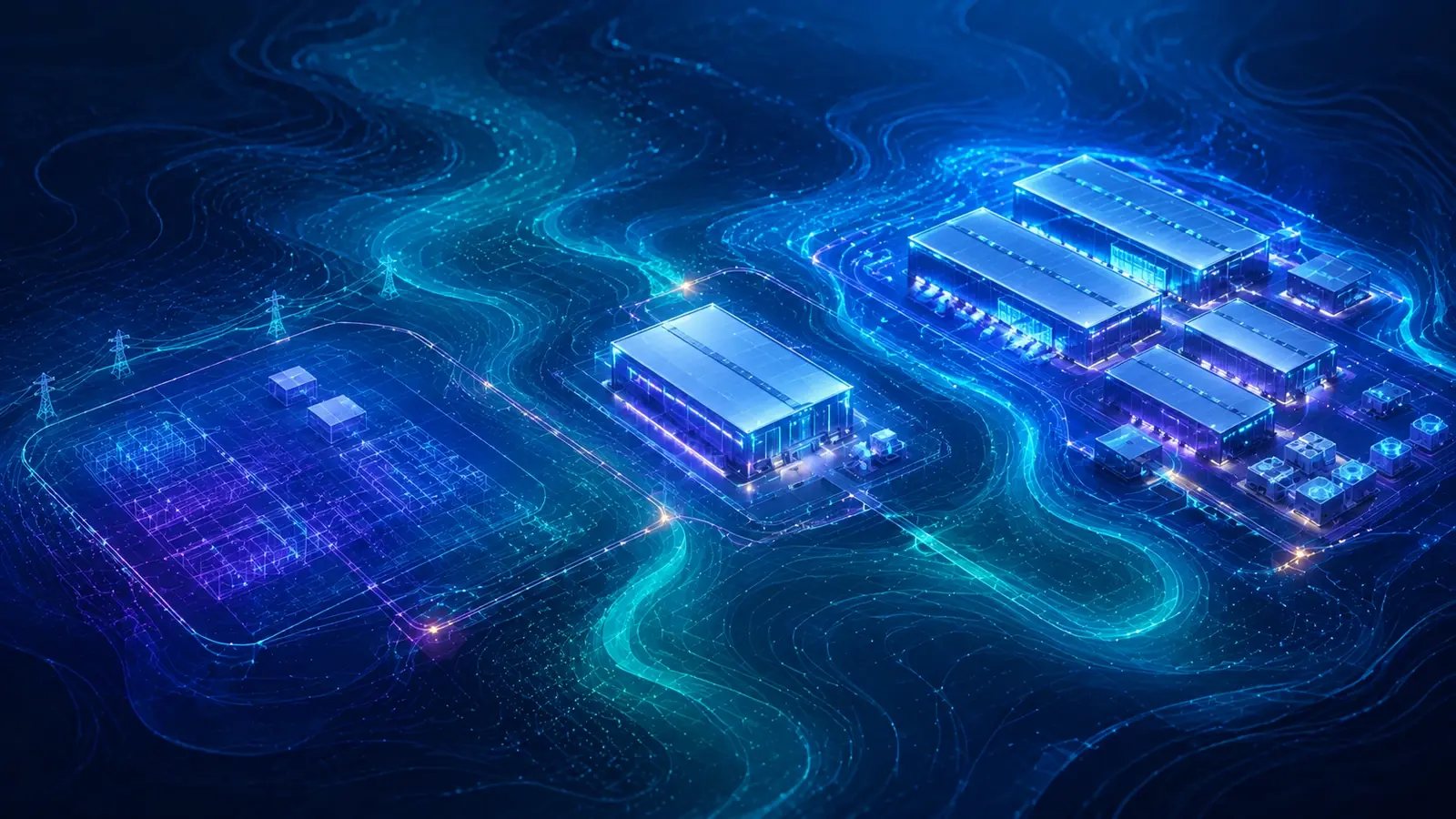
Schedule + Critical Path
Delivery Scenarios
How Long Does a Data Center Really Take?
There is no single data-center duration. Owners must control three overlapping clocks—the development clock, the building clock, and the capacity clock—and distinguish first usable megawatts from ultimate campus buildout.
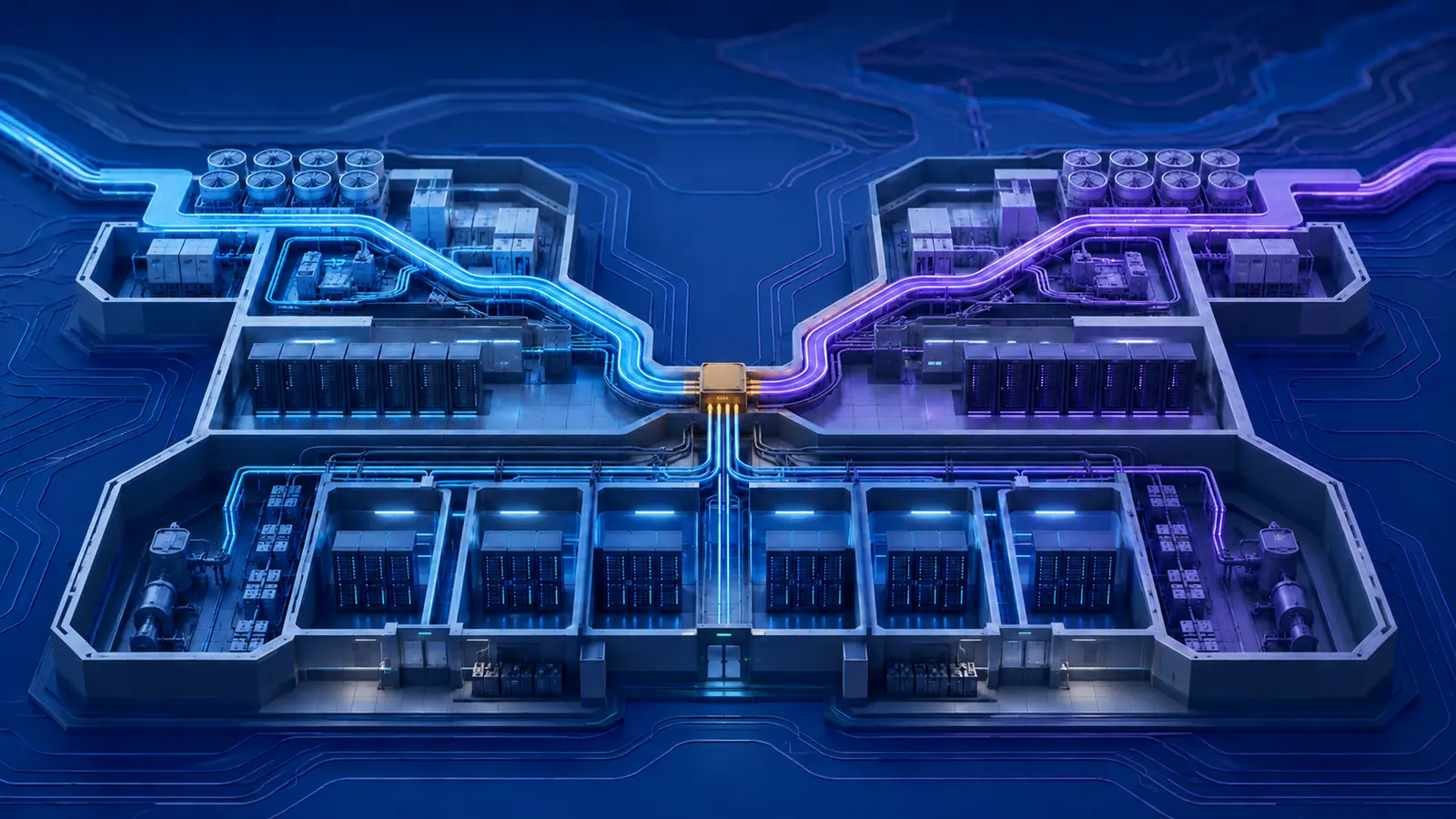
Resilience + Operational Risk
Failure + Recoverability
Data Center Common-Mode Failures, Cascading Outages, and Recovery Planning
Redundant equipment is only the starting condition. Resilience depends on whether supposedly independent paths remain separate through controls, maintenance, external dependencies, abnormal transitions, and the difficult work of restoring service.
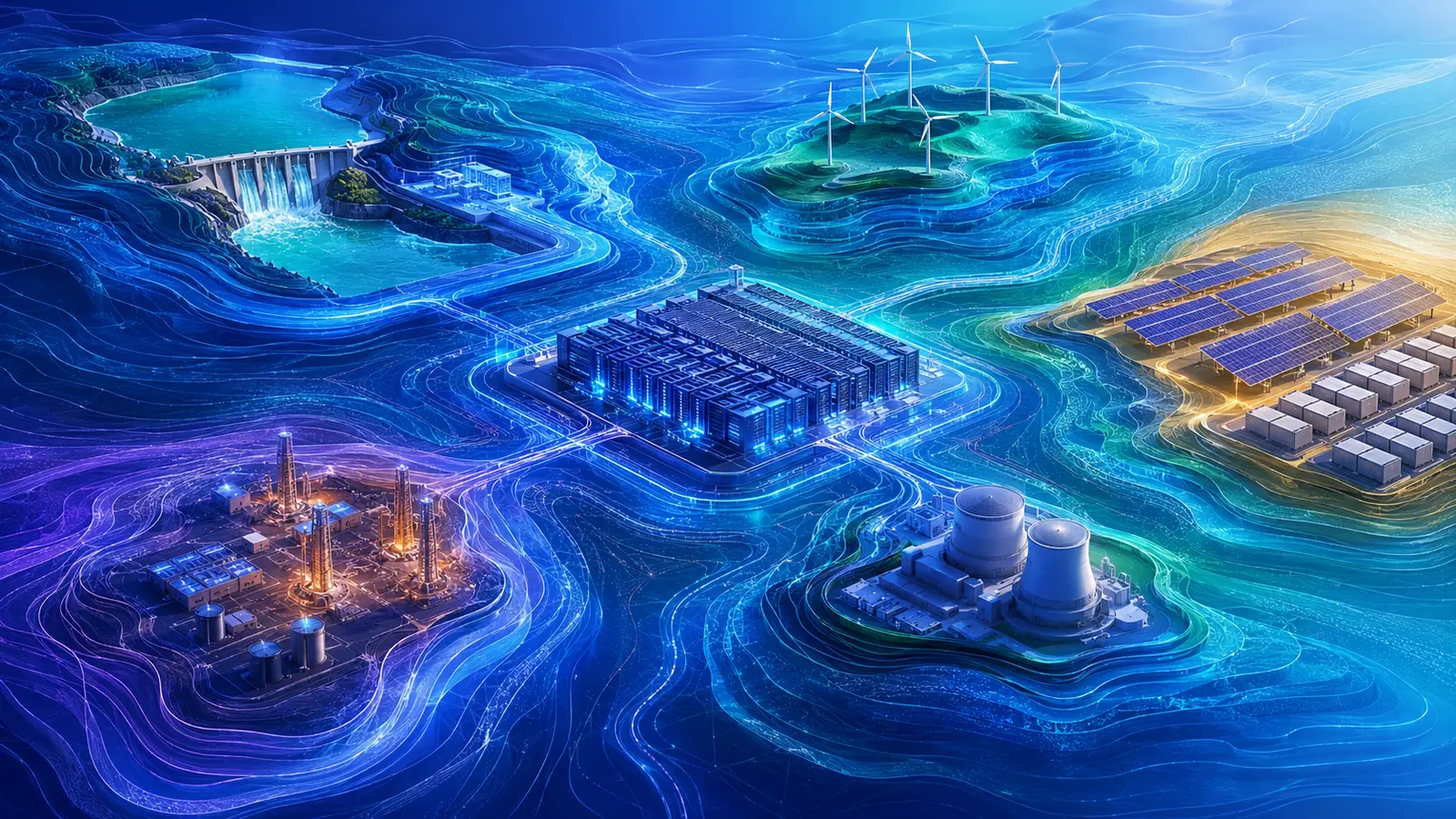
Clean Power + Location Strategy
Geographic Stress Test
Where Can a 100 MW Data Center Reach 24/7 Clean Power?
The best clean-power location is not the place with the greenest annual percentage. It is the specific grid node where 100 MW can be delivered, matched hour by hour, expanded responsibly, and operated through drought, outage, congestion, and extreme weather.
Extreme Climate + Water Resilience
Desert Infrastructure
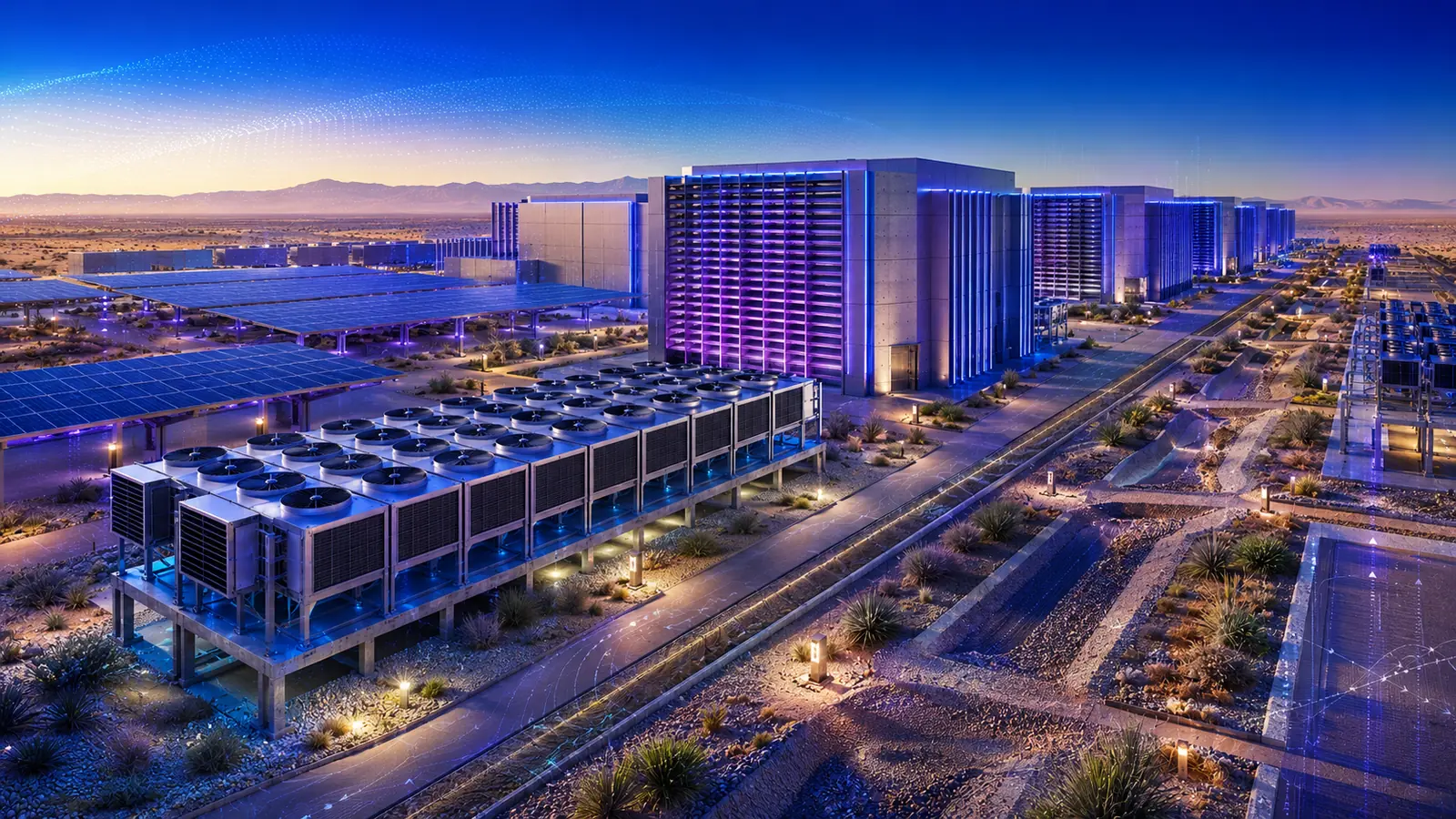
Can a Data Center Run at 122°F Without Potable Cooling Water?
Yes—but 122°F is an outdoor design condition, not a server-inlet target. The viable architecture begins by reducing water demand, raising useful liquid temperatures, engineering the last degrees of heat rejection, derating every exposed asset, and proving the complete system during peak summer.
Delivery + Governance
Delivery Sequence · 01
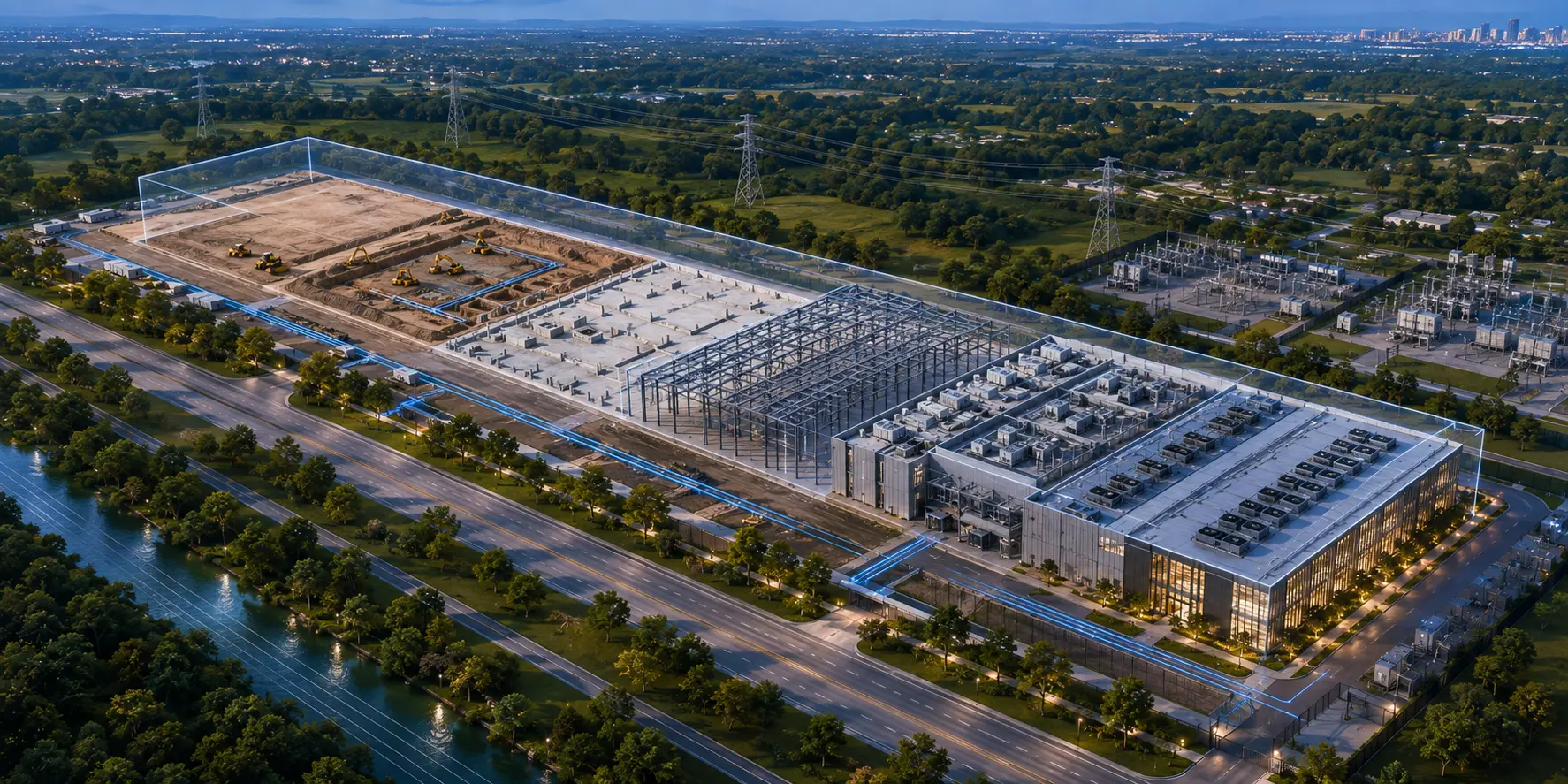
Data Center Development Sequence: Site Control to Operations
A data center is not one linear project. It is a synchronized program of land, power, approvals, design, procurement, construction, commissioning, and operations—each with a different clock, evidence threshold, and point of no return.
Delivery + Governance
Delivery Sequence · 02
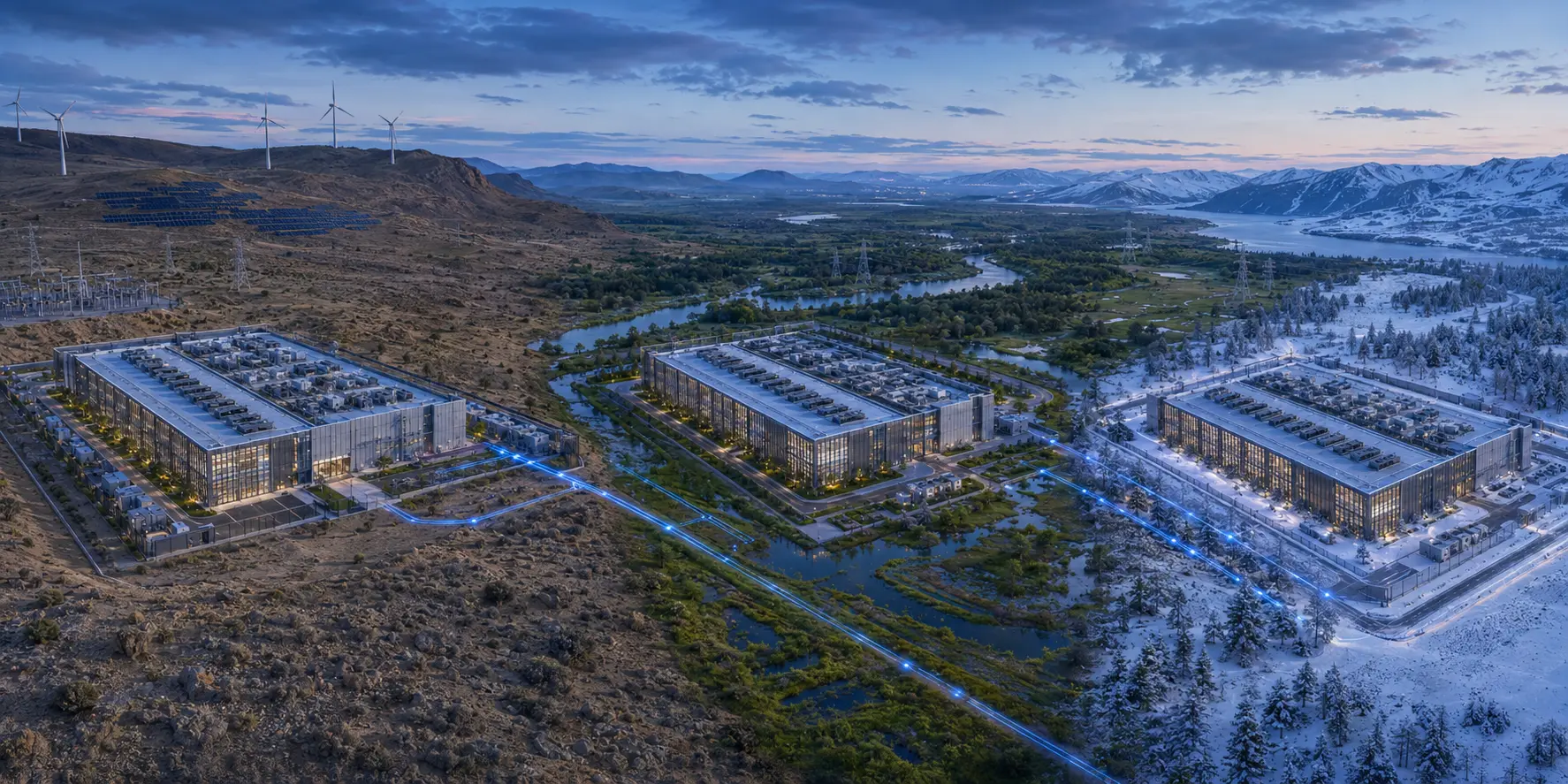
Turning the Basis of Design into a Repeatable Multi-Site Delivery System
A reference design becomes valuable only when it behaves like a governed product: fixed interfaces, configurable modules, approved variants, traceable decisions, and feedback from construction and operations.
Delivery + Governance
Delivery Sequence · 03
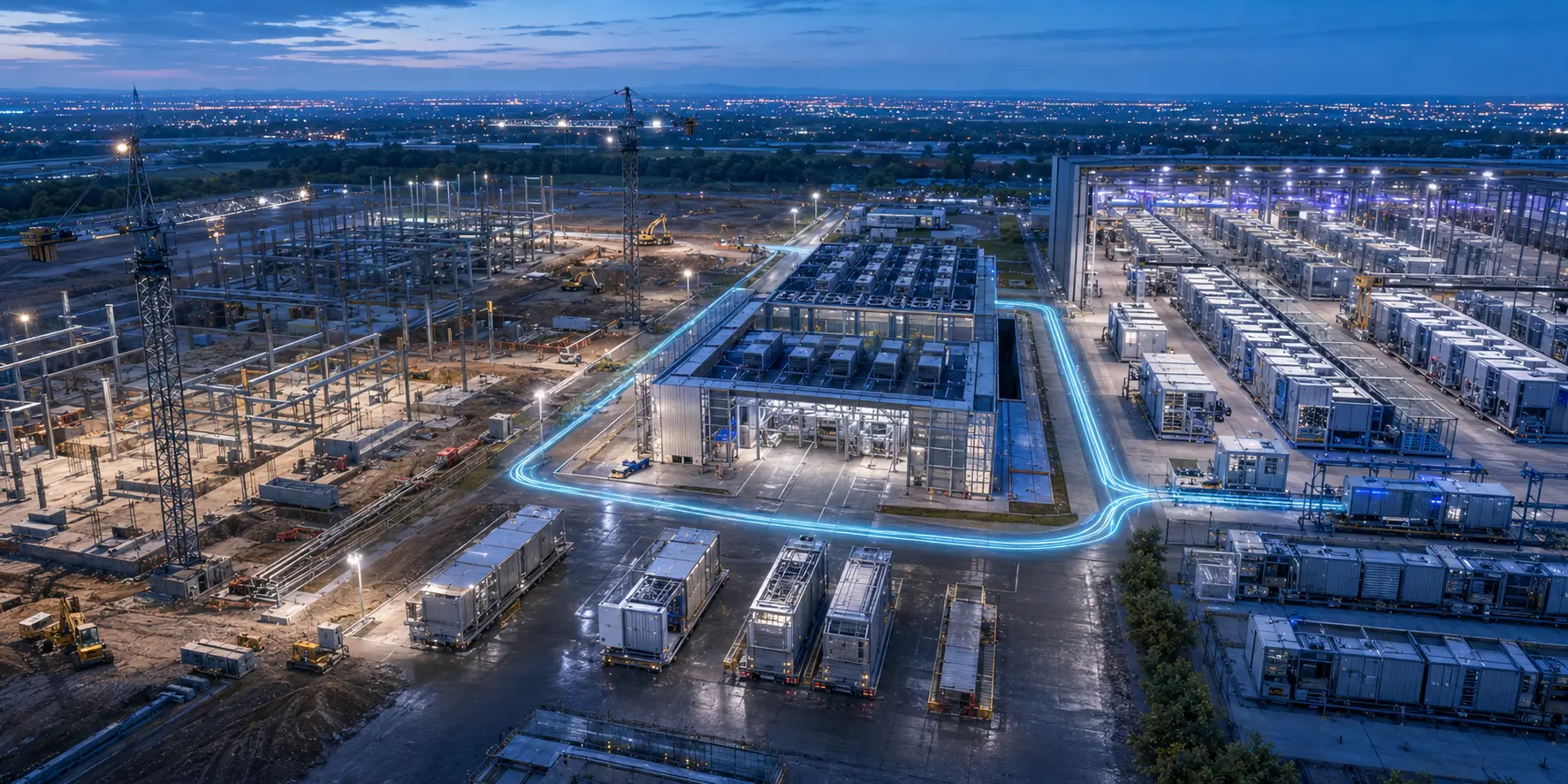
The Fastest and Most Economical Data Center Delivery Model
There is no universally fastest contract form. The winning model aligns design maturity, market capacity, package strategy, decision speed, long-lead procurement, and risk ownership to the project’s actual constraints.
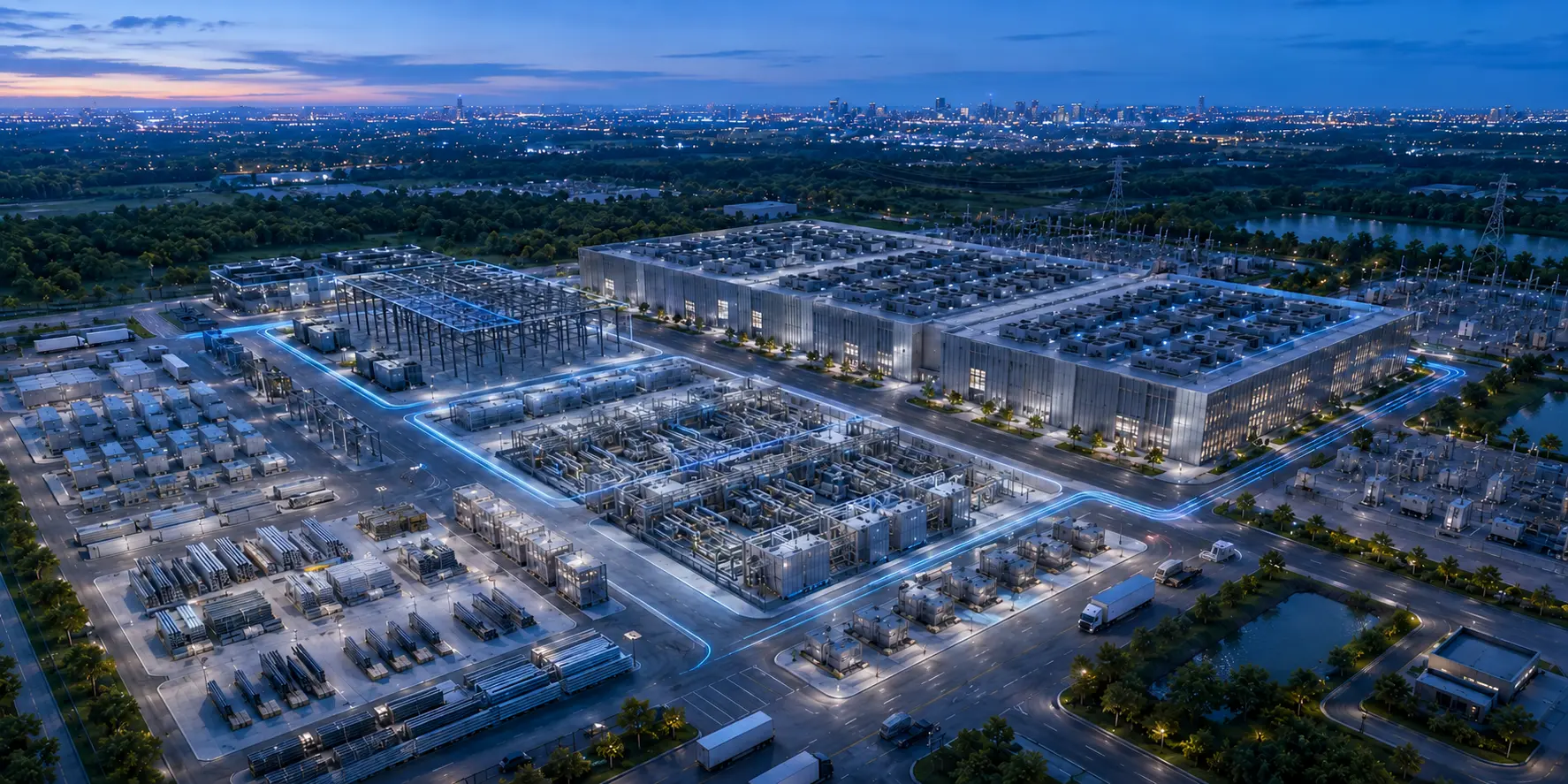
Delivery + Governance
Delivery Sequence · 04
Data Center Cost Reduction: Standardization, Procurement, and Build Strategy
Durable cost reduction comes from removing avoidable scope, variation, waiting, rework, and risk premiums while protecting capacity, safety, resilience, maintainability, and the operating date.
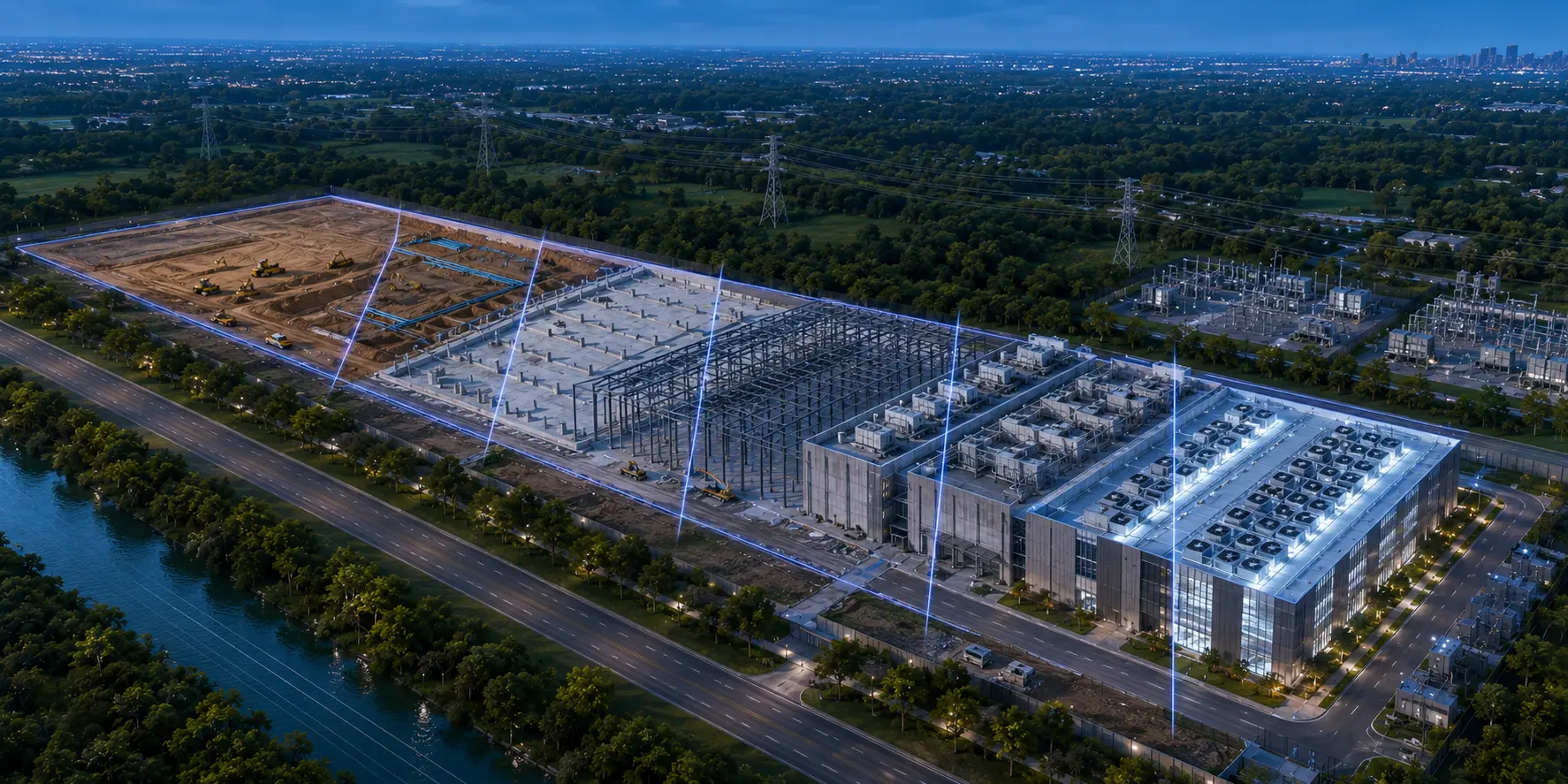
Delivery + Governance
Delivery Sequence · 05
Data Center Construction Sequence: Sitework to Energization
Construction should be organized around safe access, permanent systems, turnover boundaries, and energization logic—not around a generic building schedule or visually impressive progress.
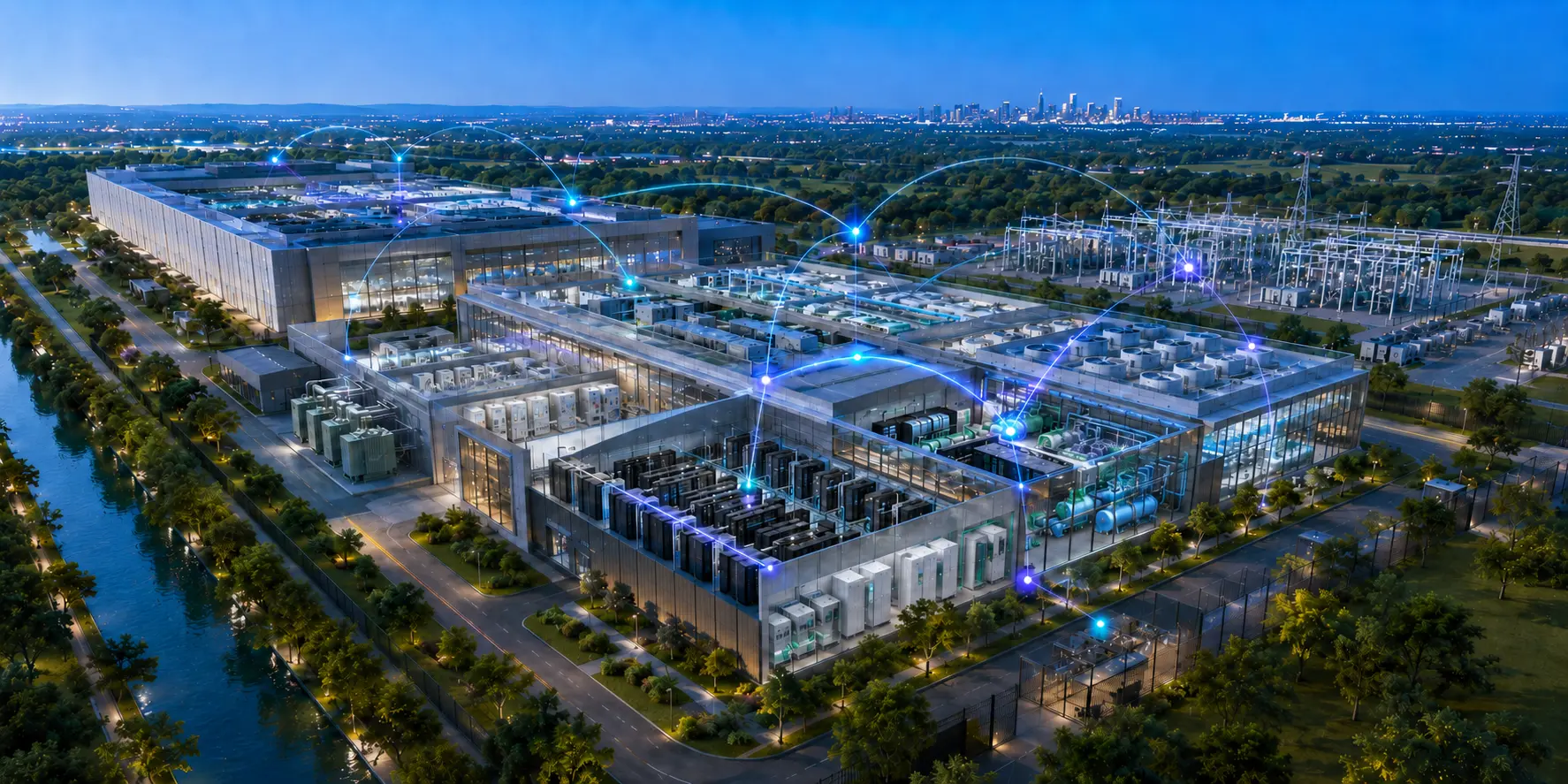
Delivery + Governance
Delivery Sequence · 06
Data Center Commissioning and Operational Handover
Commissioning is the evidence chain that connects owner requirements to safe, repeatable operation. It begins before design, intensifies through factory and field testing, and ends only when the operating team can control the facility without project-team dependency.
Land Development · Site Developability + Due Diligence
Land Development Series · 01/30
How Do You Know if a Data Center Site Is Actually Developable?
A large parcel is not a viable data center site until land rights, power, entitlement, civil constraints, infrastructure, schedule, and capacity can be reconciled into one executable development basis.
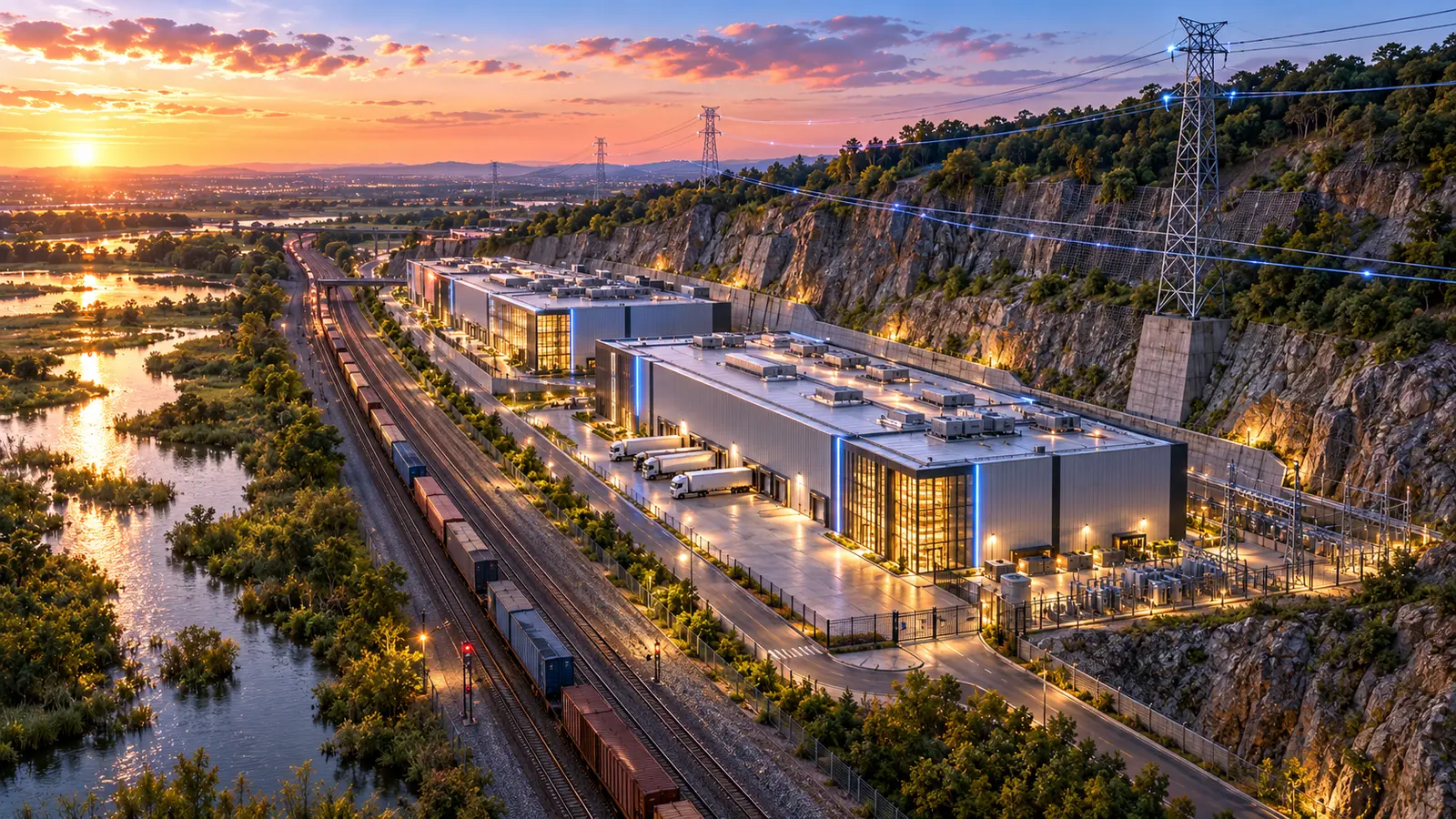
Land Development · Fatal Flaws + Early Risk
Land Development Series · 02/30
What Can Kill a Data Center Site Before Construction Even Begins?
The most expensive site problem is often the one discovered after land control, design spend, or utility commitments. Fatal-flaw screening should identify conditions that can defeat capacity before full diligence begins.
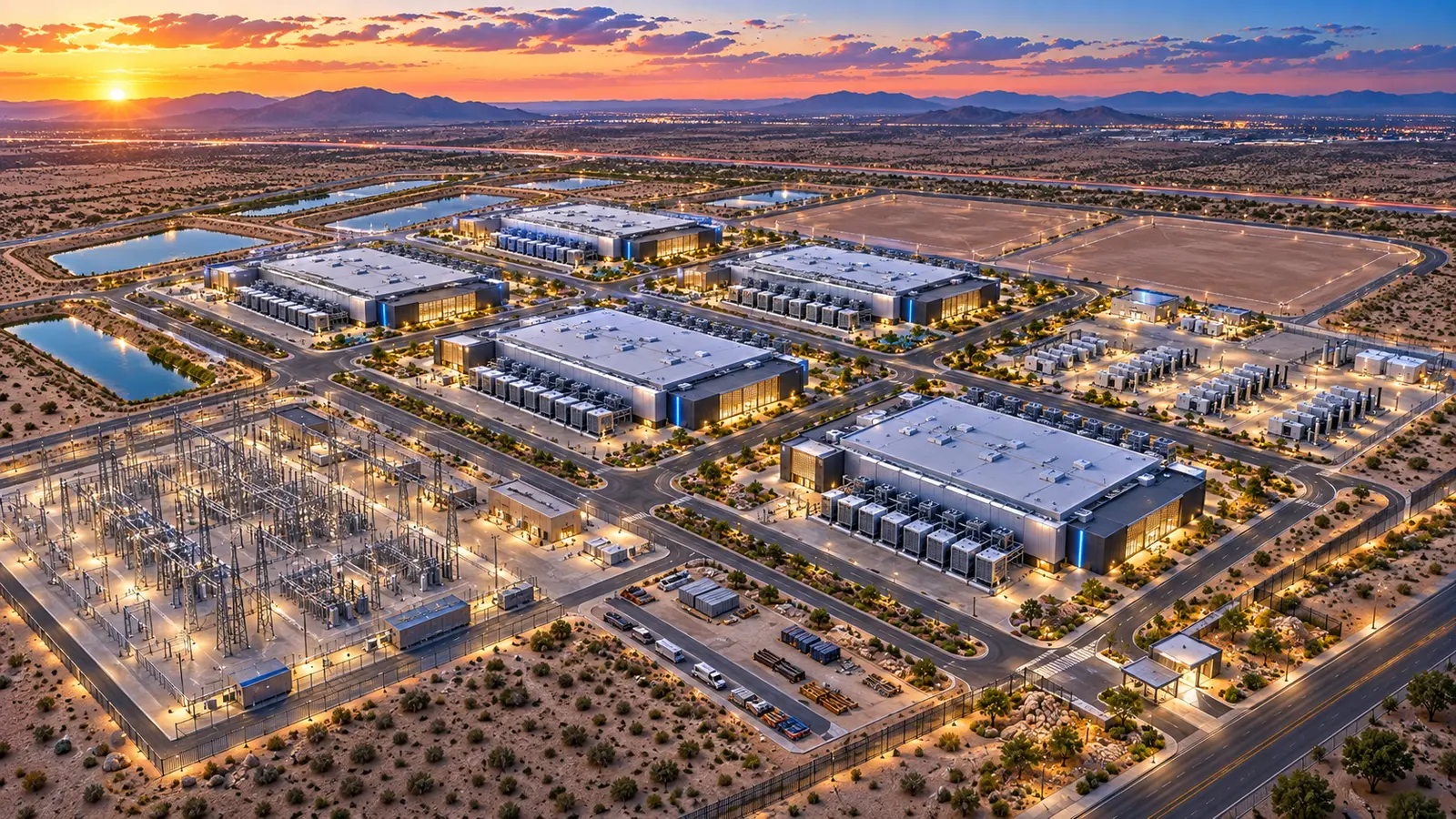
Land Development · Gross-to-Net Land Yield
Land Development Series · 03/30
How Much Land Does a Data Center Campus Actually Need?
Gross acreage is a poor proxy for data center capacity. The real question is how much controlled land remains after setbacks, buffers, utilities, stormwater, grading, roads, power yards, security, and future phases are accounted for.
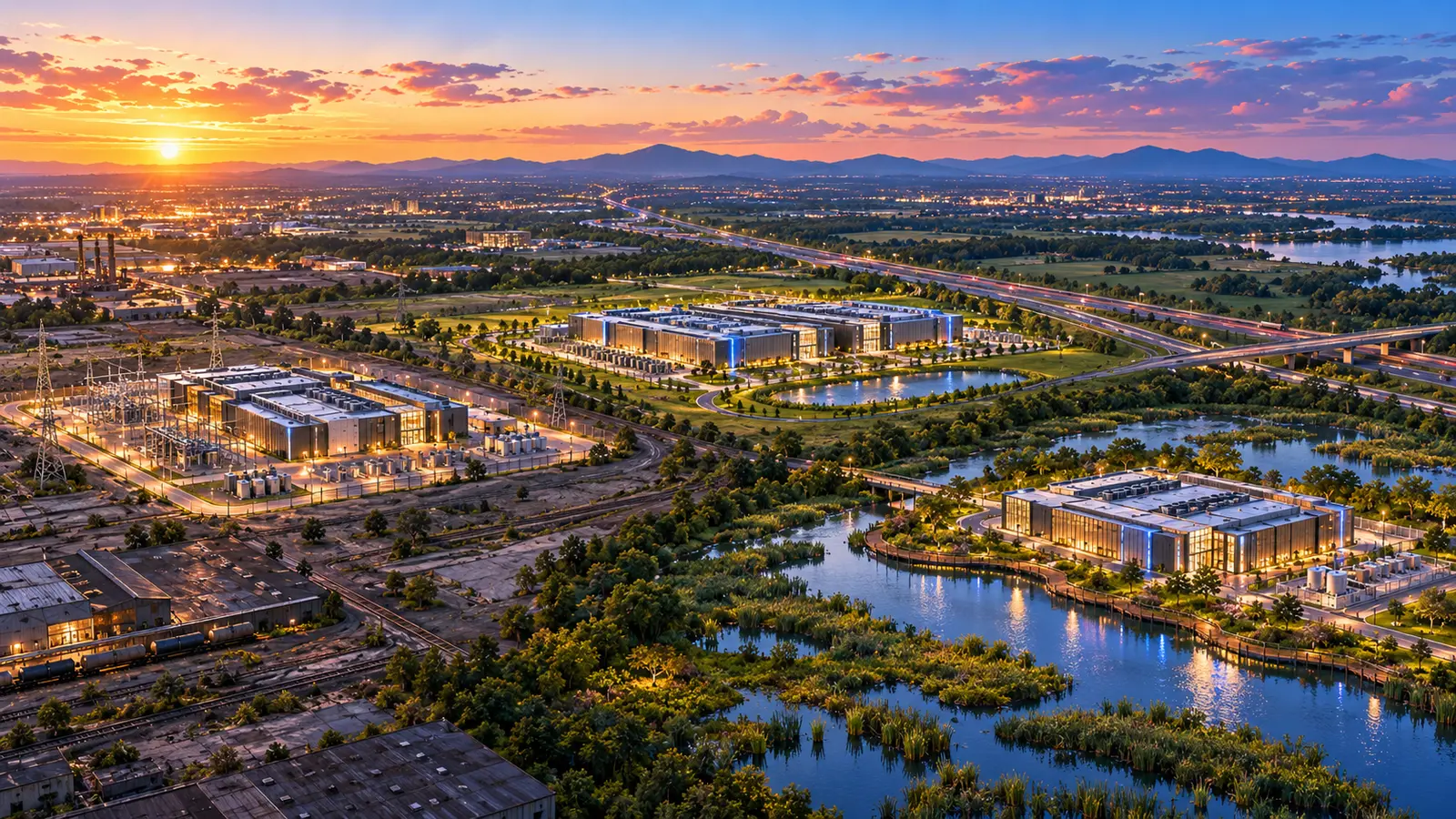
Land Development · Candidate Site Comparison
Land Development Series · 04/30
How Do You Compare Multiple Data Center Sites Without Choosing the Cheapest Land?
The lowest land price can produce the highest delivered-capacity cost. Site comparison should normalize power timing, entitlement risk, infrastructure, civil work, expansion, and schedule before ranking candidates.
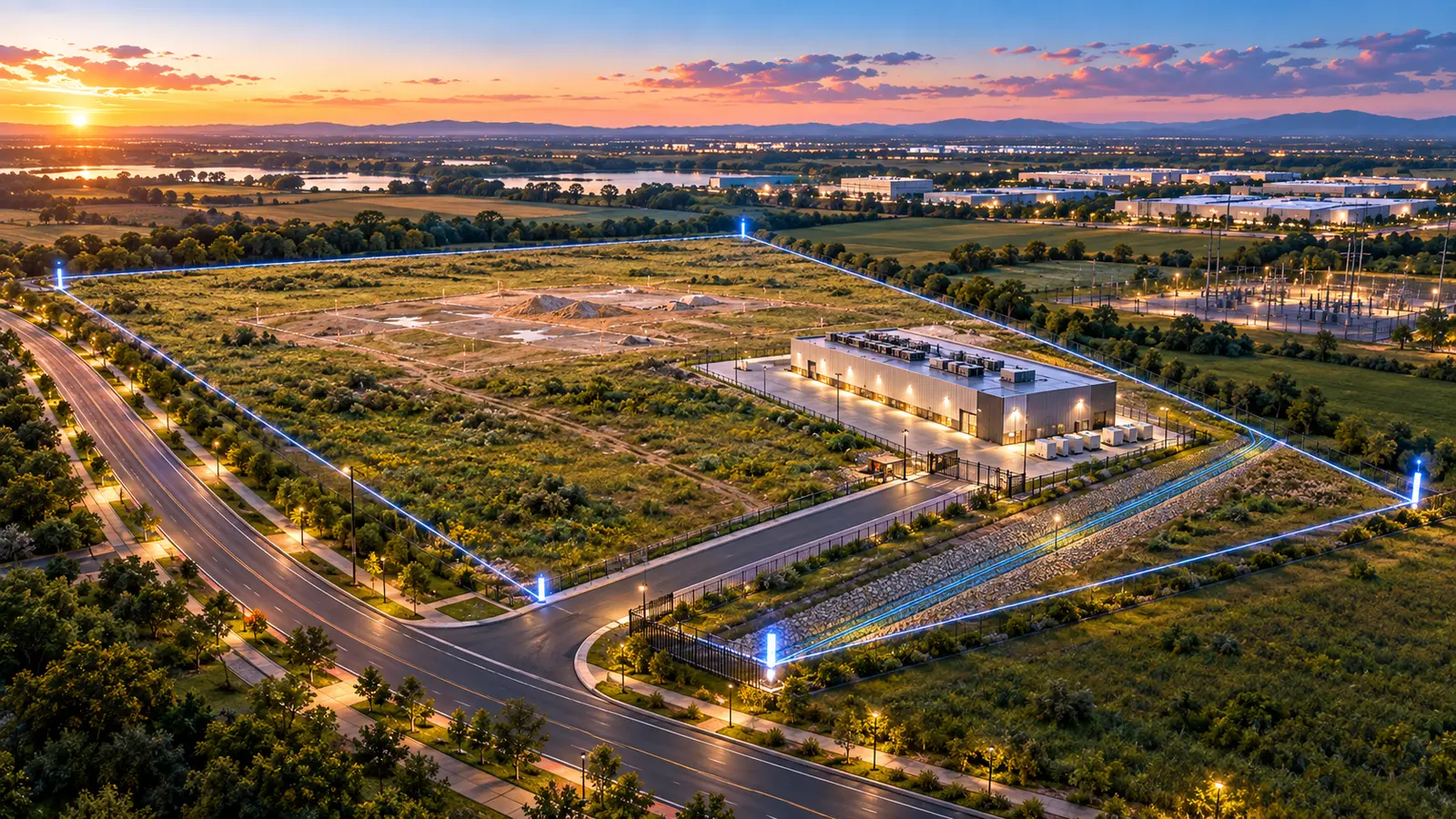
Land Development · Land Control + Transaction Strategy
Land Development Series · 05/30
How Do You Control Land Before All Data Center Due Diligence Is Complete?
Data center development often requires months of diligence before a final go decision. Land control should preserve access to the site while keeping technical, entitlement, power, and infrastructure uncertainty from becoming irreversible exposure.
Land Development · Integrated Due Diligence Scope
Land Development Series · 06/30
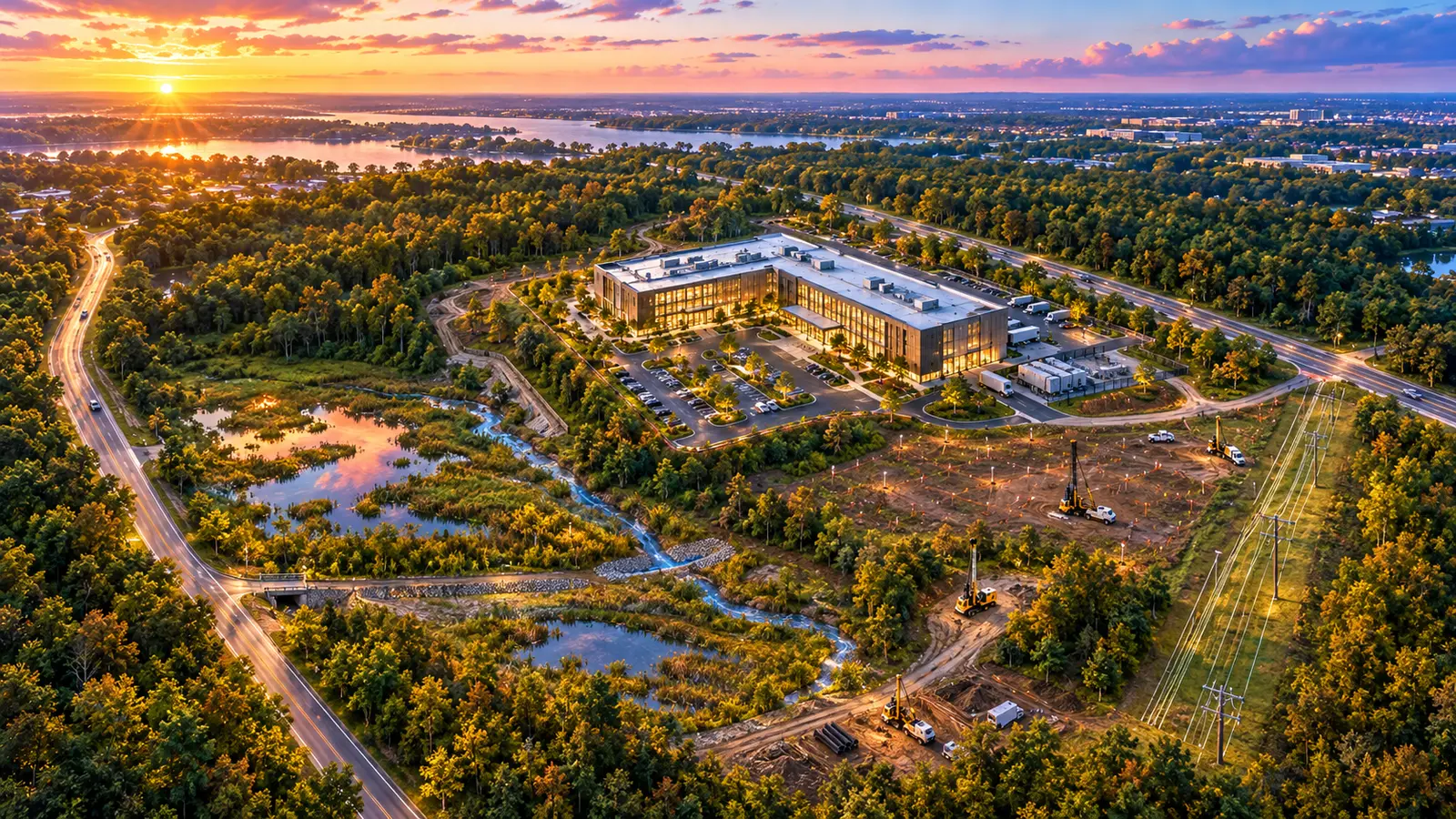
What Due-Diligence Studies Should Be Completed Before Acquiring a Data Center Site?
A data center diligence program is not a stack of consultant reports. It is an integrated evidence plan designed to answer whether the campus can be entitled, powered, built, financed, operated, and expanded.
Land Development · Entitlement Strategy
Land Development Series · 07/30
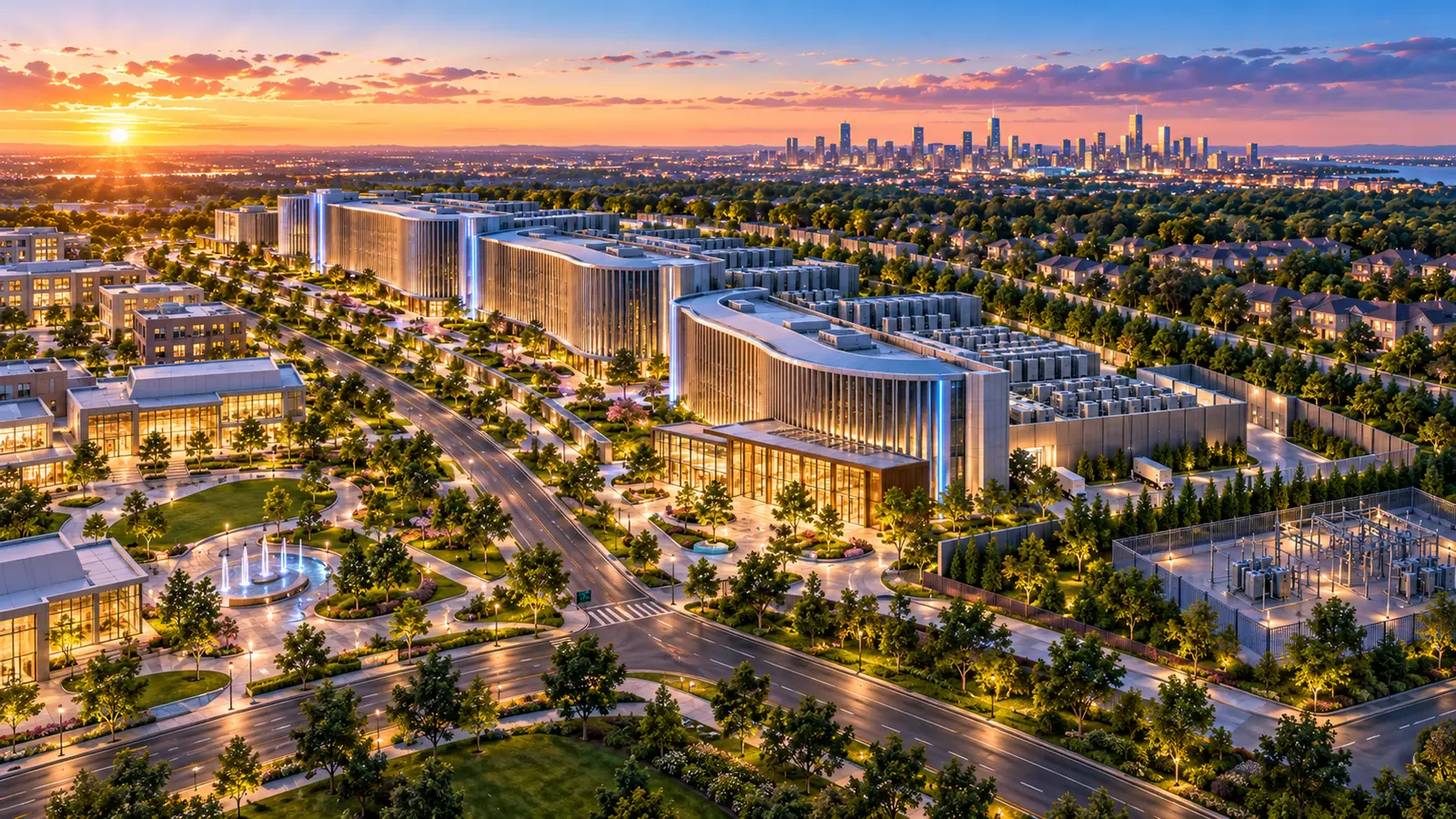
How Do You Build an Entitlement Strategy for a Data Center Campus?
Entitlement strategy should connect land-use authority, required applications, technical studies, political process, conditions of approval, and project schedule before the first formal submission.
Land Development · Government Relationships + Pre-Application
Land Development Series · 08/30
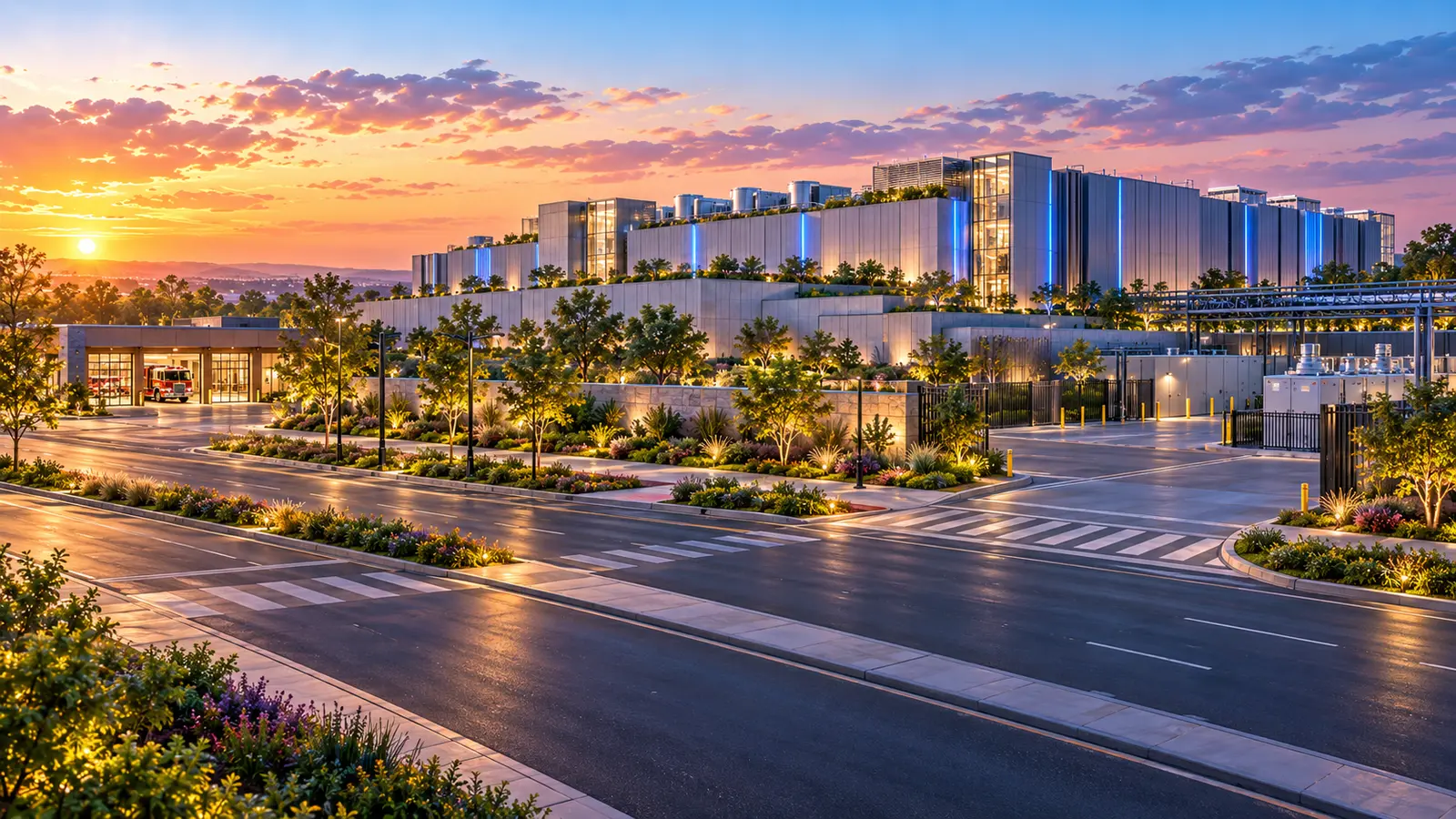
How Do You Work With Local Government Before Filing a Data Center Application?
Early jurisdiction engagement should surface approval criteria, infrastructure expectations, community sensitivities, and process risk while the project still has room to adapt.
Land Development · Land Use Path + Political Risk
Land Development Series · 09/30
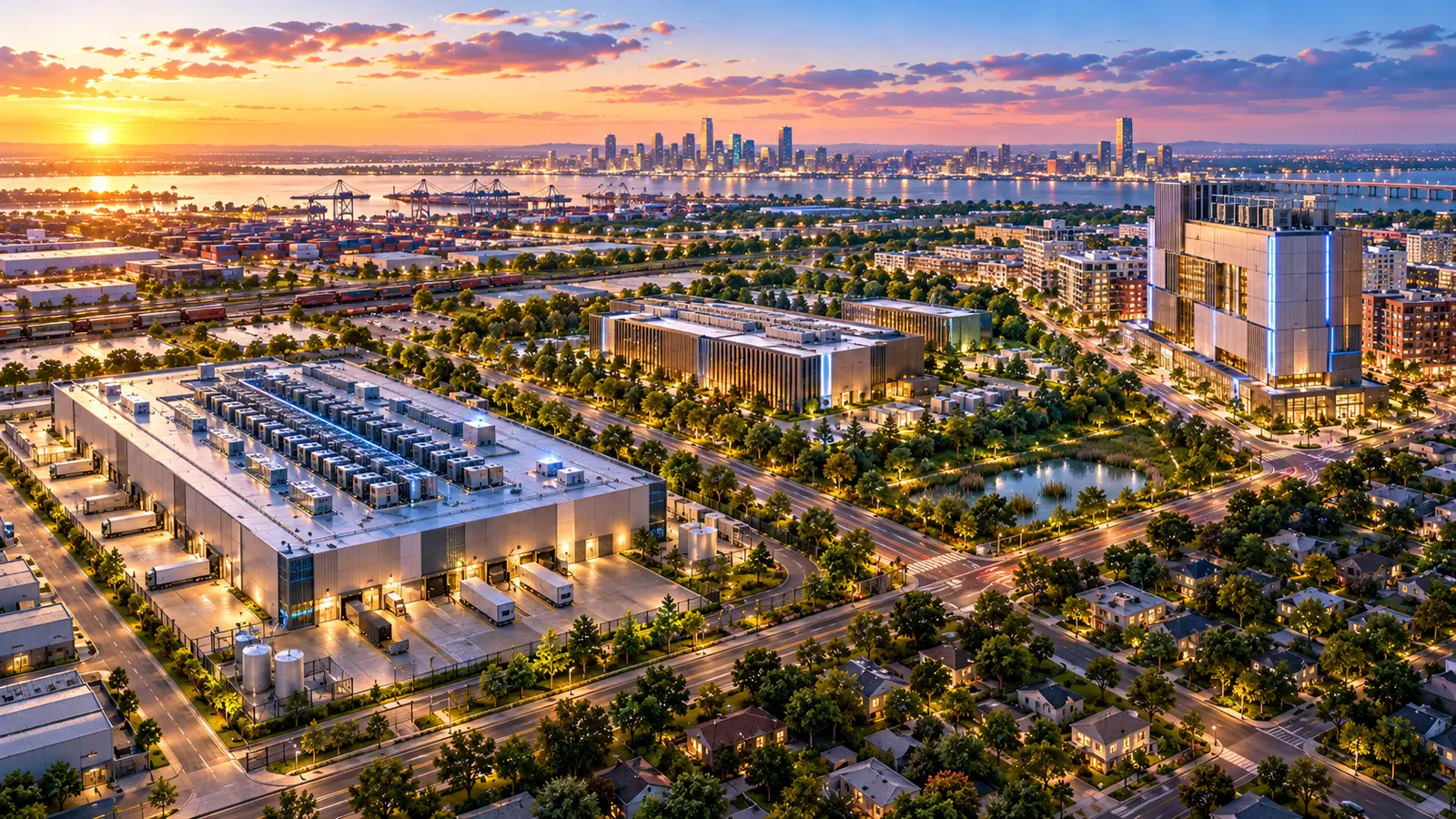
How Do You Determine Whether a Data Center Is By-Right, Conditional, or Politically Difficult?
A use can be legally permitted and still face material approval, design, or political risk. Site diligence should separate zoning permission from use-specific standards, discretionary approvals, and community acceptance.
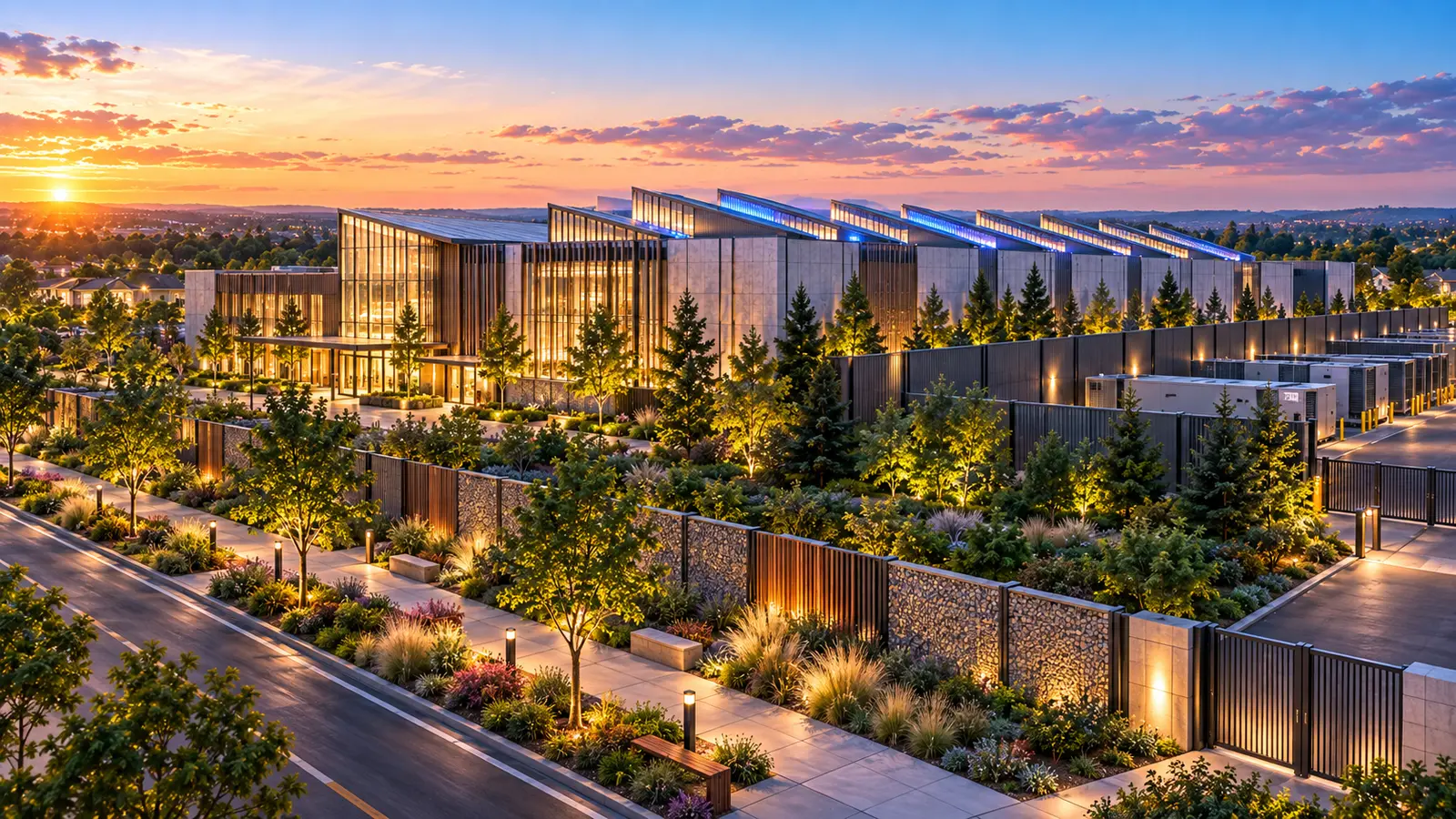
Land Development · Public Hearing Readiness
Land Development Series · 10/30
How Do You Prepare a Data Center Development for a Public Hearing?
A public hearing is not a presentation milestone. It is the point where technical evidence, land-use policy, community concerns, project commitments, and decision authority meet in public.
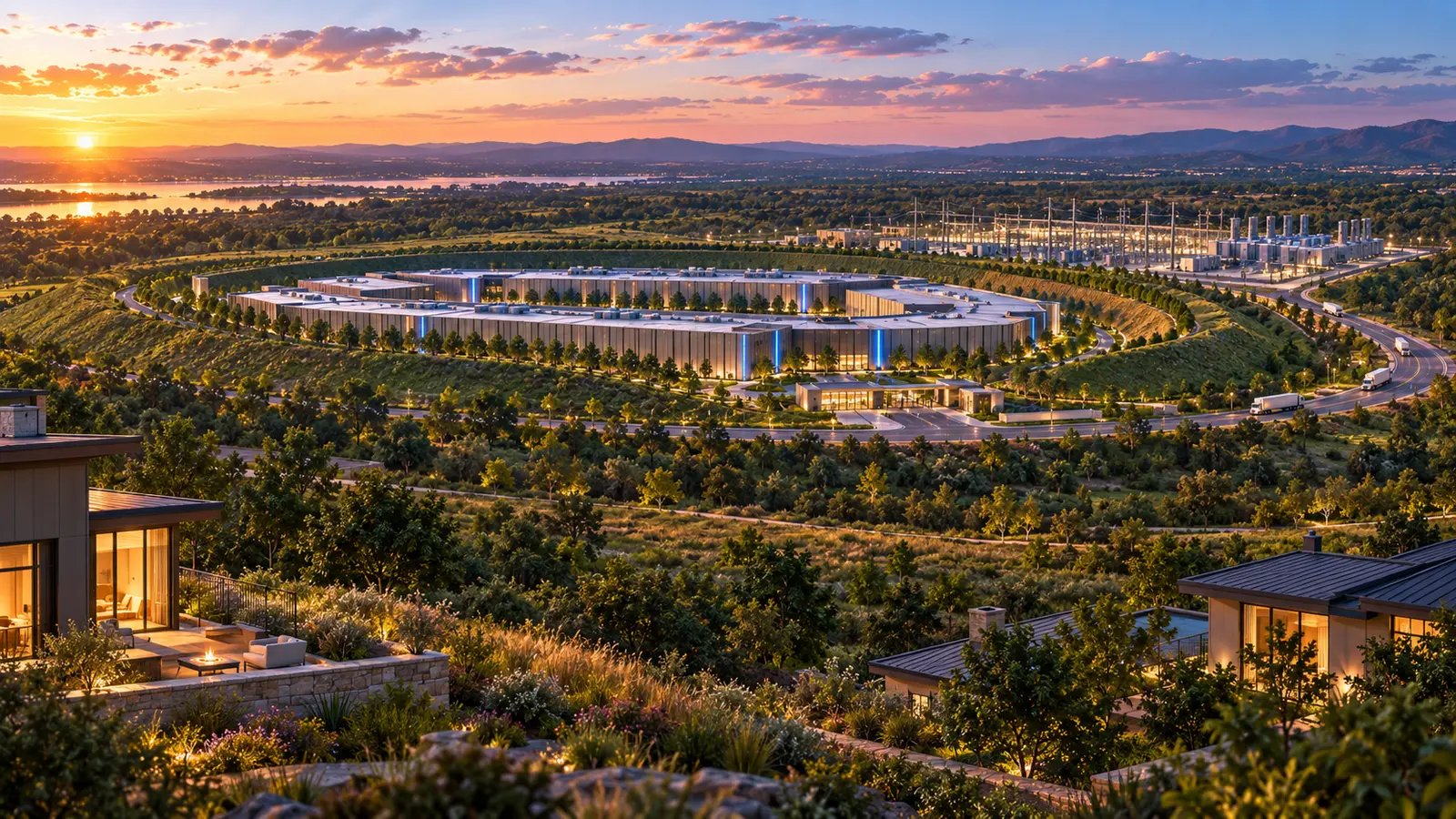
Land Development · Community Opposition + Project Response
Land Development Series · 11/30
How Do You Respond When a Community or Jurisdiction Opposes a Data Center?
Opposition is rarely one issue. A credible response separates technical impacts, policy concerns, misinformation, negotiable mitigation, and fundamental land-use conflict before deciding whether to redesign, negotiate, or exit.
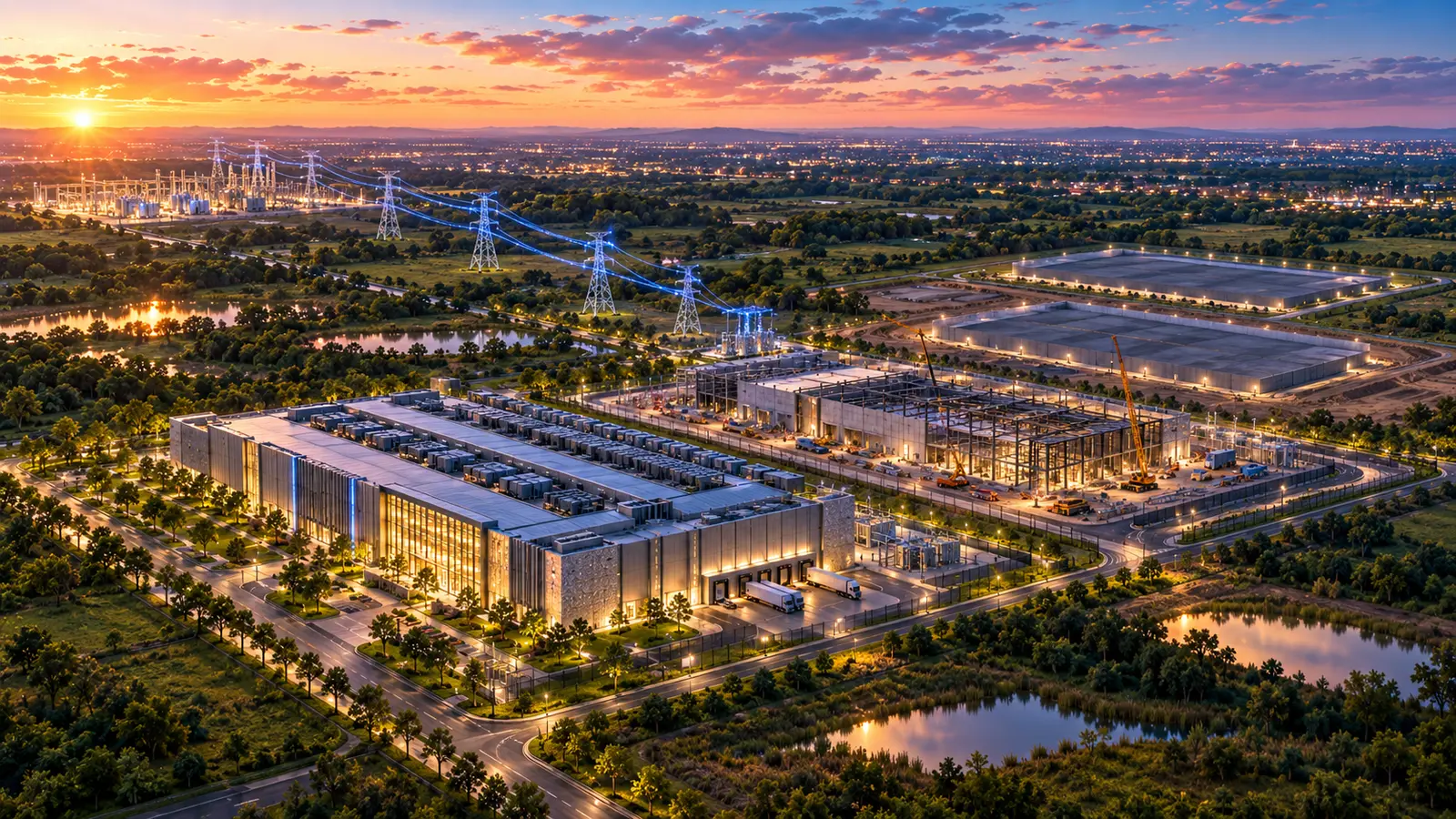
Land Development · Power Availability + Delivery
Land Development Series · 12/30
How Do You Determine Whether a Site Has Enough Power—and When It Can Actually Be Delivered?
A utility capacity number is not a capacity date. Data center site strategy must distinguish available megawatts from interconnection scope, transmission upgrades, substation delivery, phasing, commercial commitments, and energization evidence.
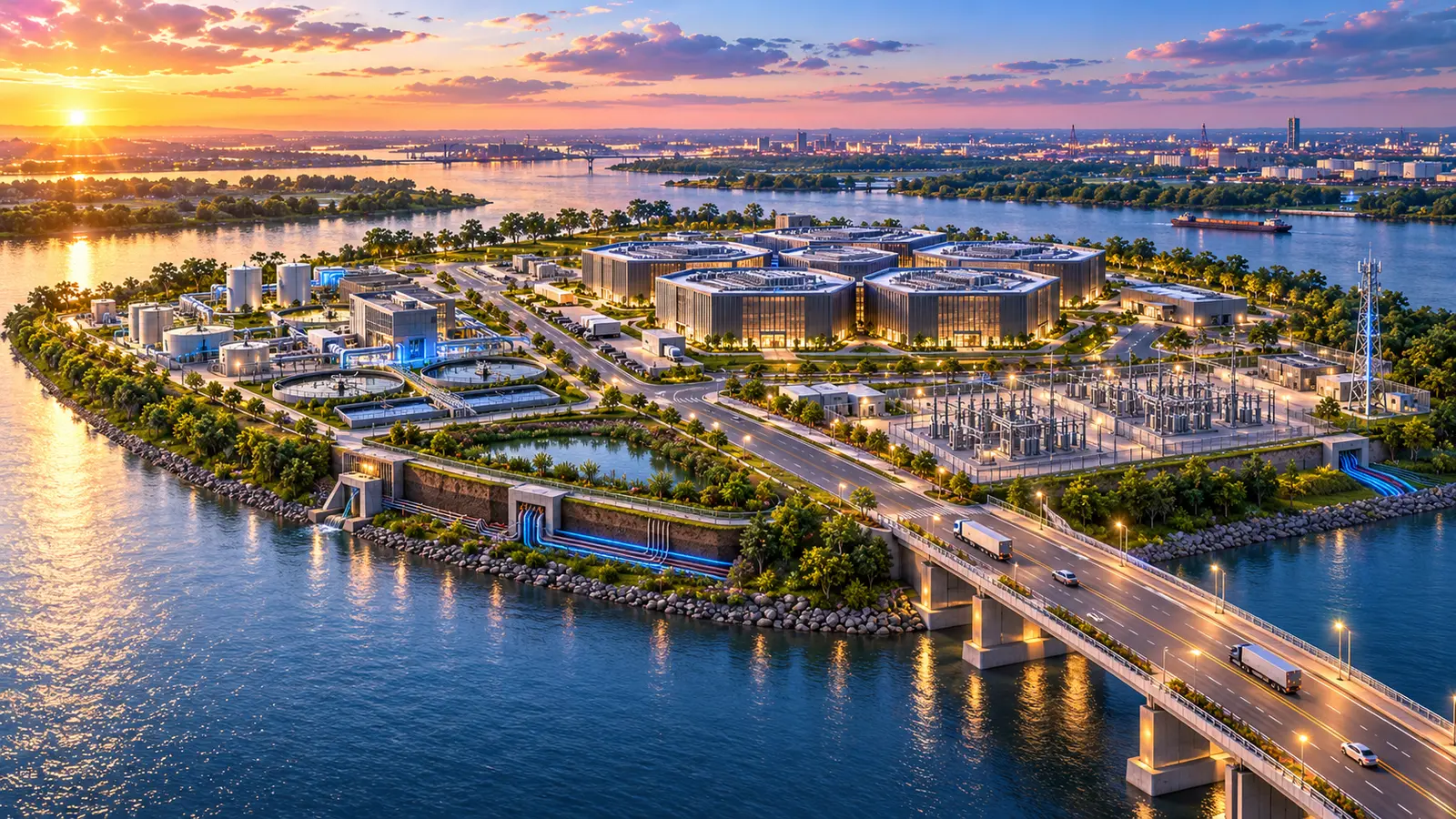
Land Development · Infrastructure Strategy
Land Development Series · 13/30
How Do You Determine the Infrastructure Required to Make a Data Center Site Buildable?
A viable parcel can still require major off-site and on-site infrastructure. The development strategy must define what is required, who designs it, who funds it, who owns it, and when each system must be ready.
Land Development · Water + Wastewater Capacity
Land Development Series · 14/30
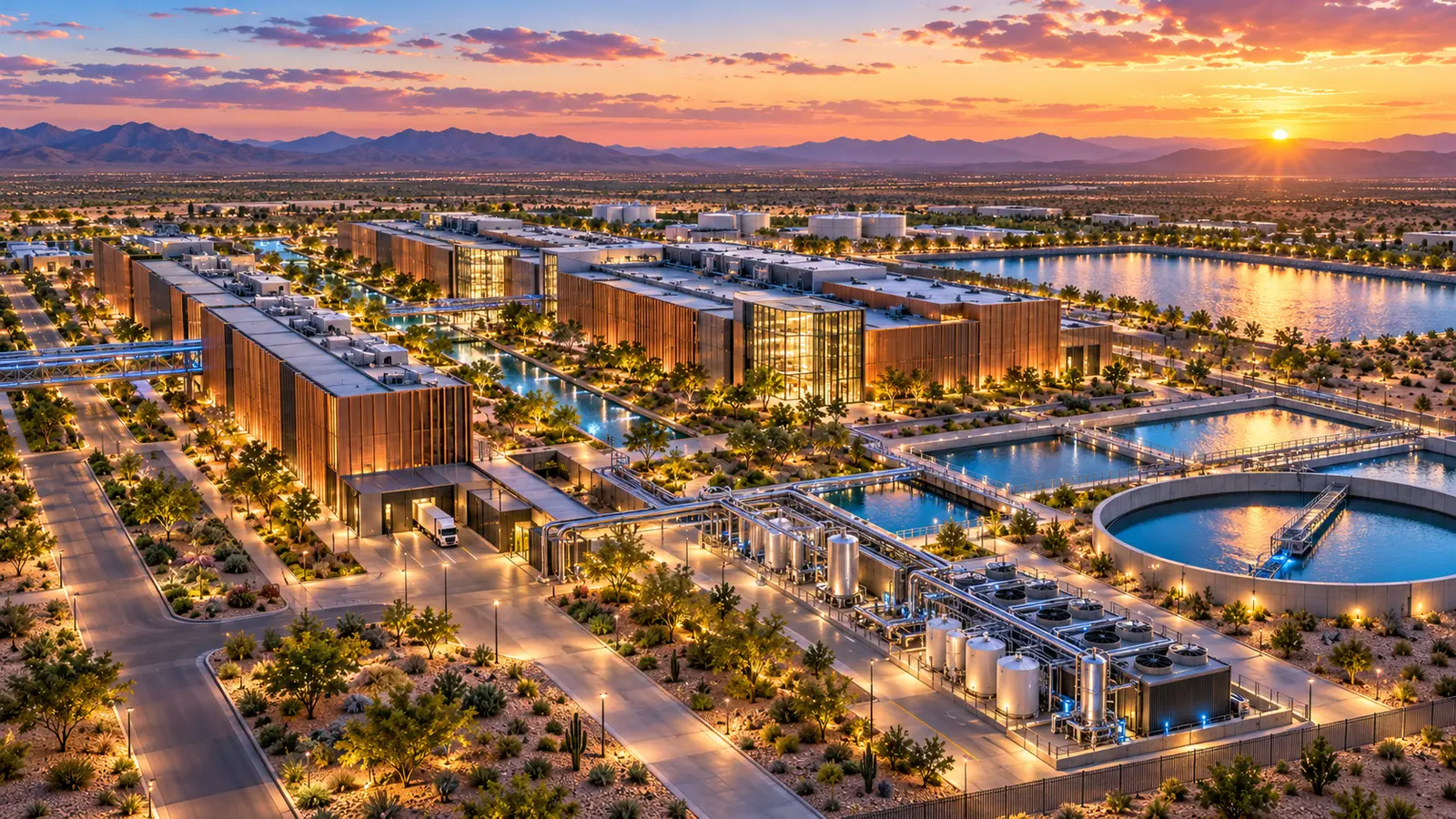
How Do Water and Wastewater Capacity Affect Data Center Development?
Water strategy affects cooling, fire protection, domestic demand, construction, community perception, and sometimes entitlement. Wastewater constraints can be equally limiting where extensions, pump stations, or treatment capacity are required.
Land Development · Geotechnical + Earthwork
Land Development Series · 15/30
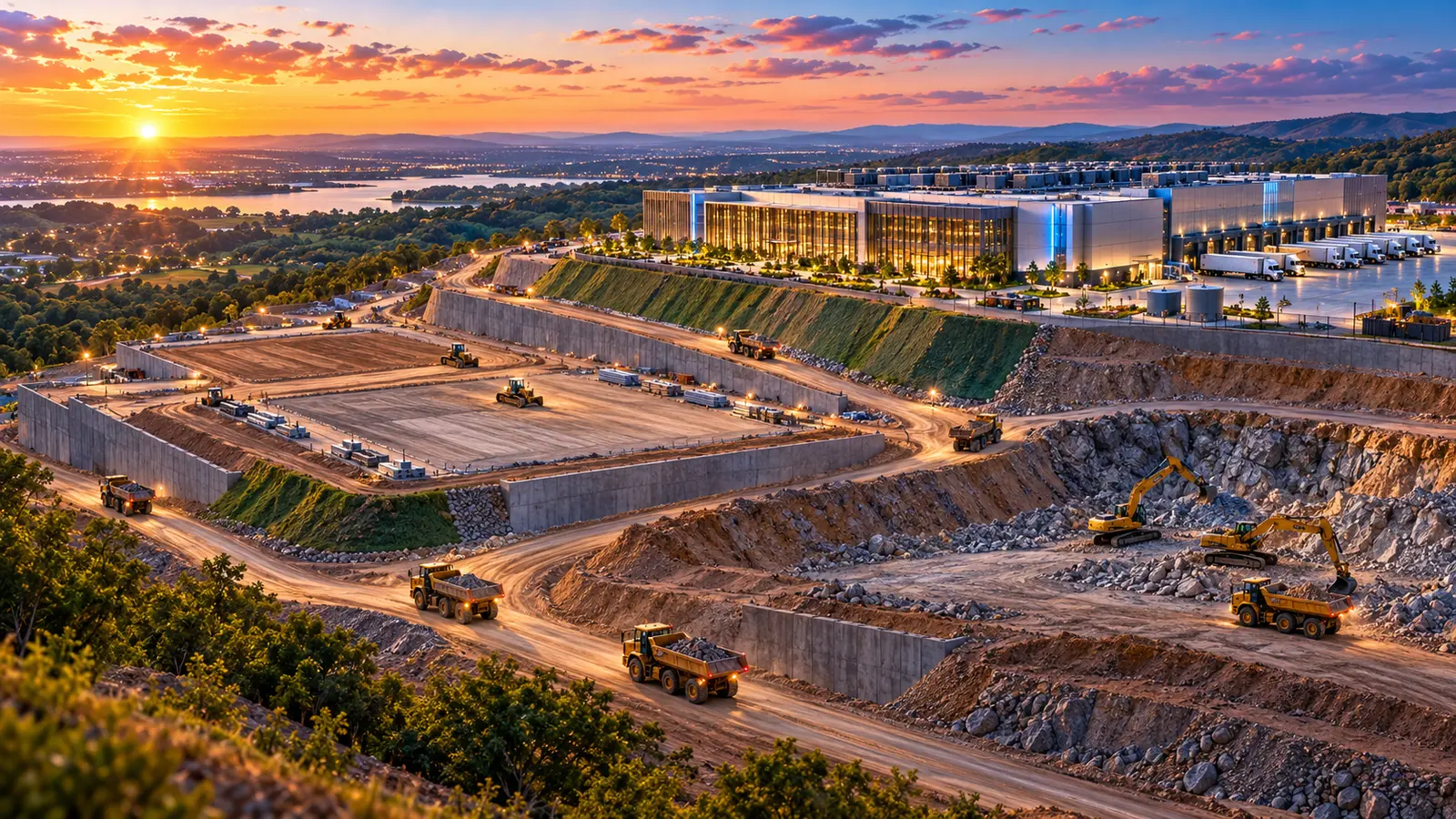
How Do Grading, Geotechnical Conditions, and Earthwork Change Data Center Site Economics?
Two sites with the same acreage can have radically different delivered costs. Rock, weak soils, groundwater, steep grades, retaining systems, and unbalanced cut-fill can reshape both the master plan and the construction schedule.
Land Development · Stormwater + Floodplain + Wetlands
Land Development Series · 16/30
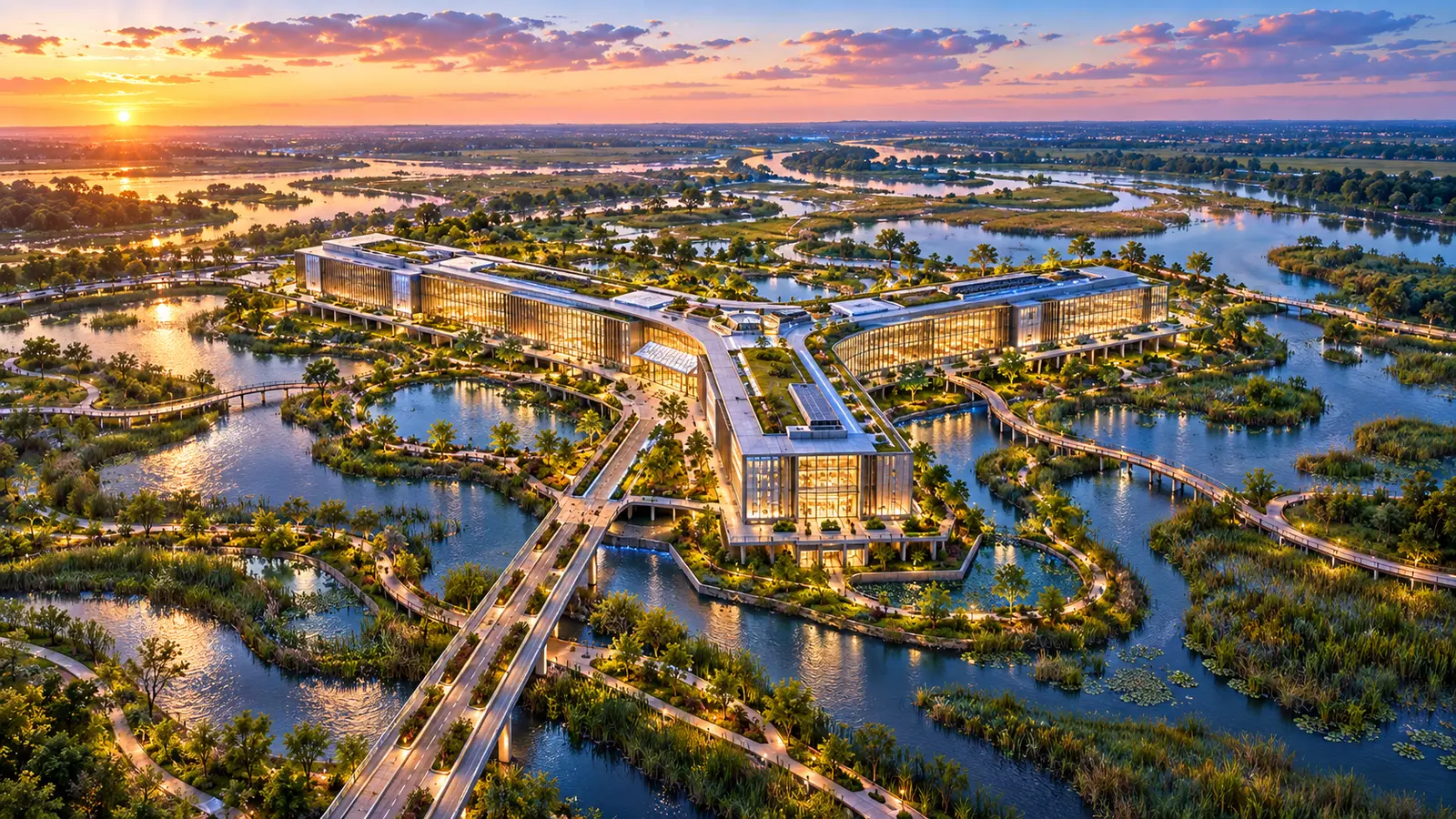
How Can Stormwater, Floodplain, and Wetlands Reshape a Data Center Campus?
Hydrology and regulated waters can remove acreage, redirect roads and utilities, enlarge detention areas, and alter entitlement and permitting schedules. They must be treated as master-planning inputs from the first site-fit test.

Land Development · Off-Site Infrastructure + Cost Allocation
Land Development Series · 17/30
Who Should Pay for Roads, Utility Extensions, and Other Off-Site Infrastructure?
Off-site improvements can materially change site economics. The key development questions are necessity, proportionality, delivery responsibility, ownership, reimbursement, schedule control, and the consequences if a third party does not perform.
Land Development · Master Planning + Power Phasing
Land Development Series · 18/30
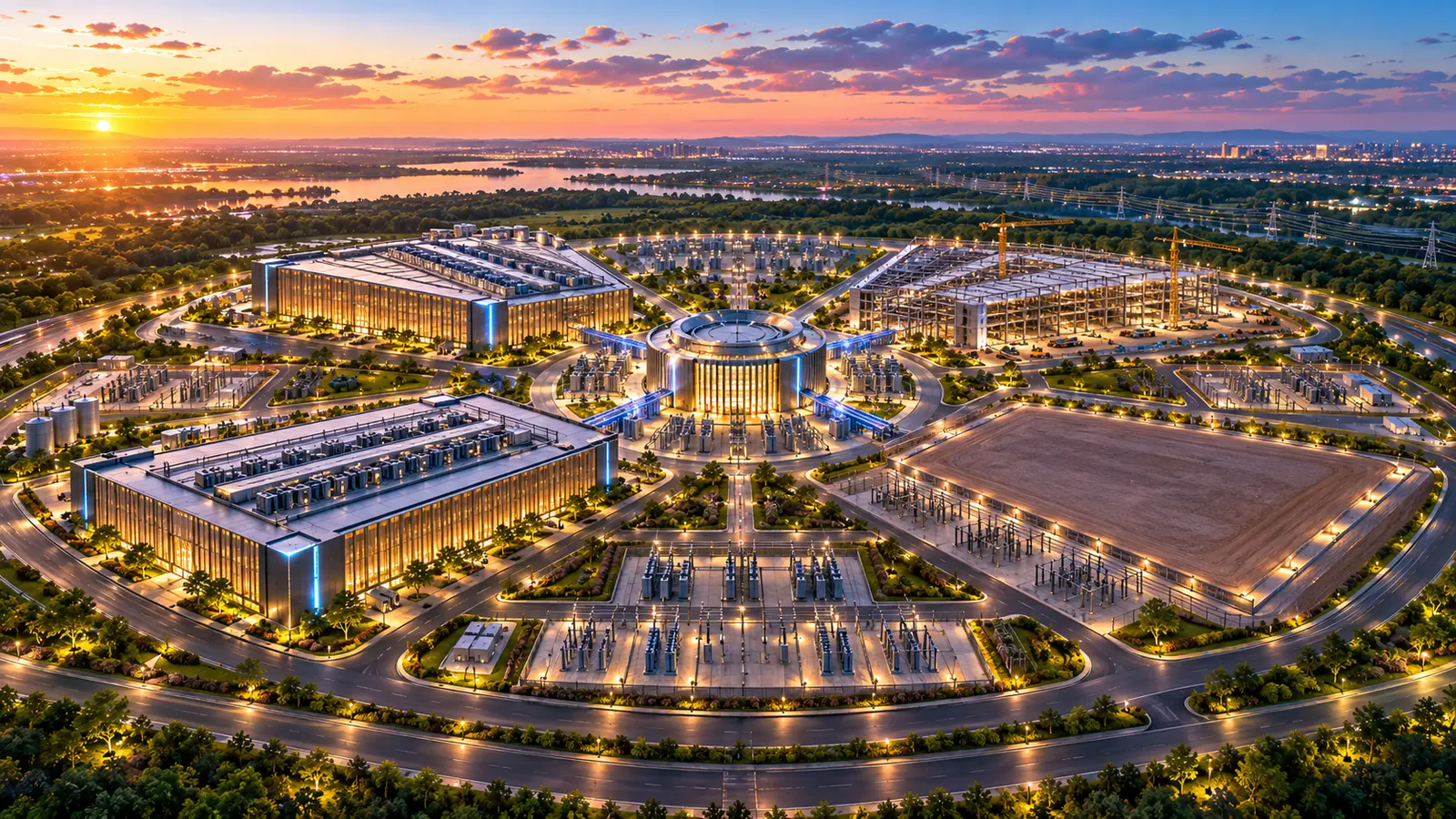
How Should a Data Center Master Plan Respond to Power, Phasing, and Future Expansion?
A data center campus master plan should be organized around capacity delivery, utility topology, construction sequence, operations, and expansion—not around a static final rendering.
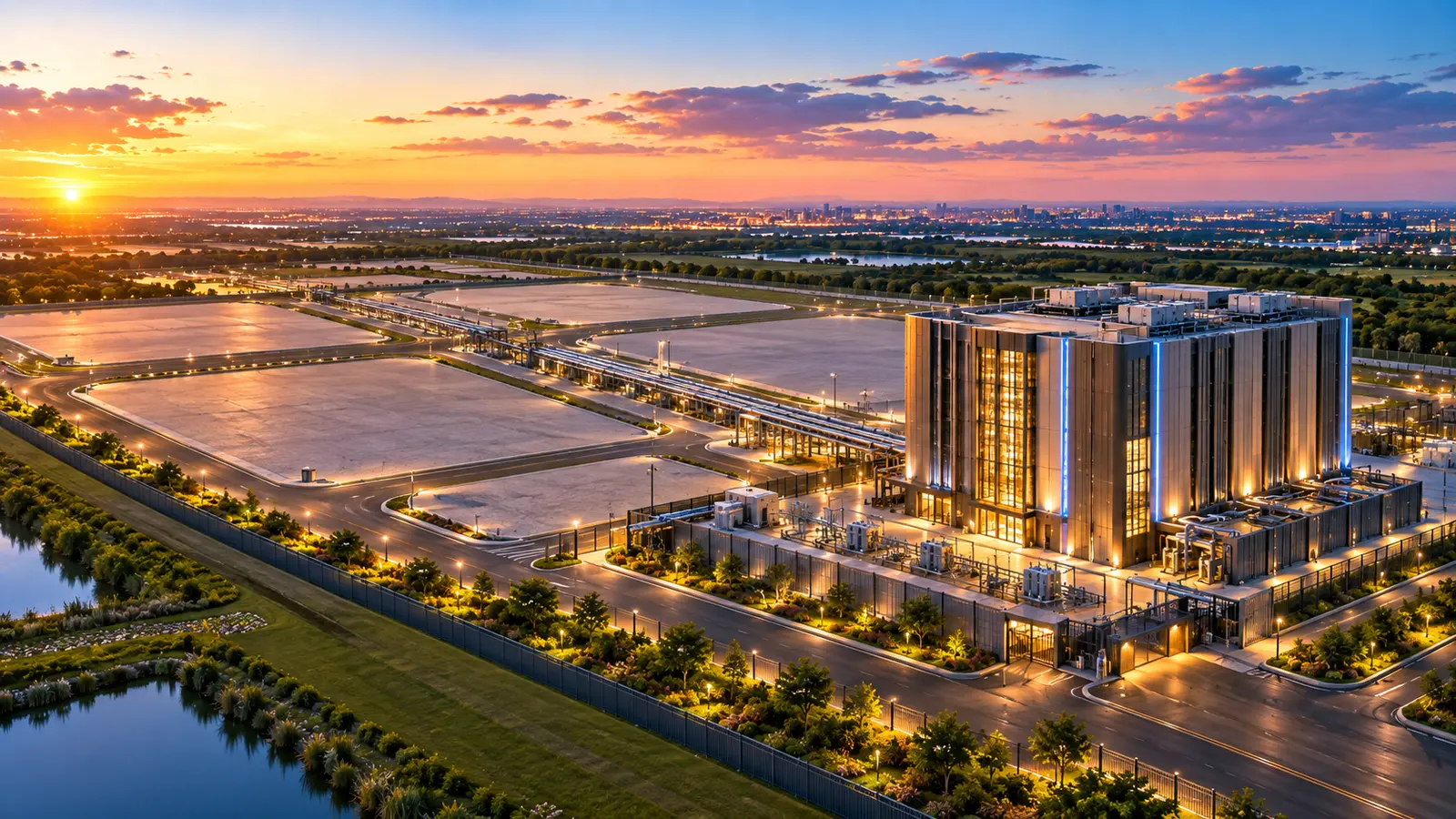
Land Development · Future Expansion Protection
Land Development Series · 19/30
How Do You Protect Future Expansion Before the First Data Center Is Built?
Future capacity is often lost through small early decisions: an undersized easement, a poorly placed road, a stormwater basin in the wrong location, or a utility corridor that cannot be expanded.
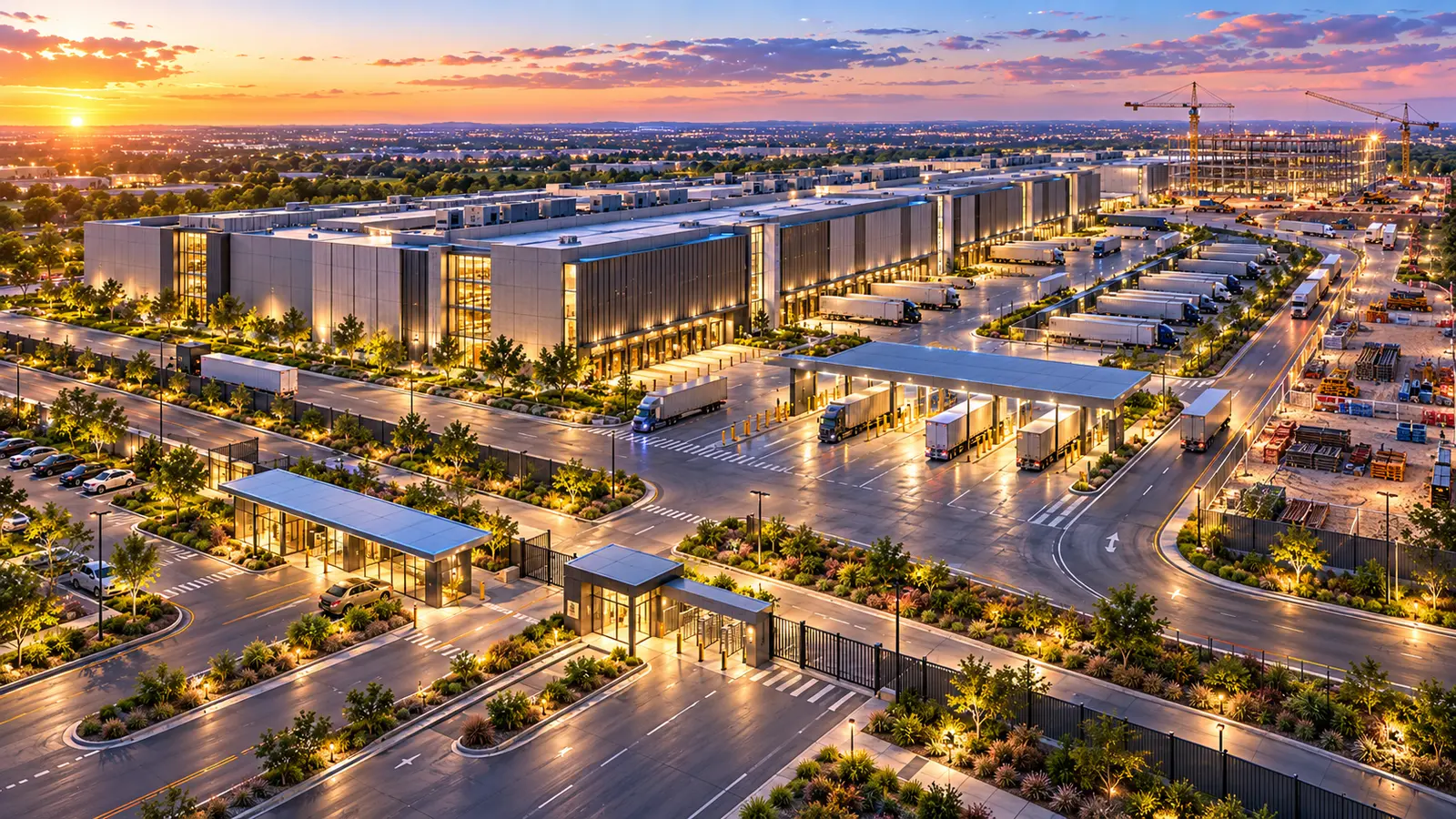
Land Development · Access + Roads + Security + Logistics
Land Development Series · 20/30
How Should Access, Roads, Security, and Construction Logistics Shape a Data Center Campus?
Campus circulation must support normal operations, emergency response, construction, deliveries, heavy replacement equipment, security screening, and phased occupancy without creating conflicts between them.
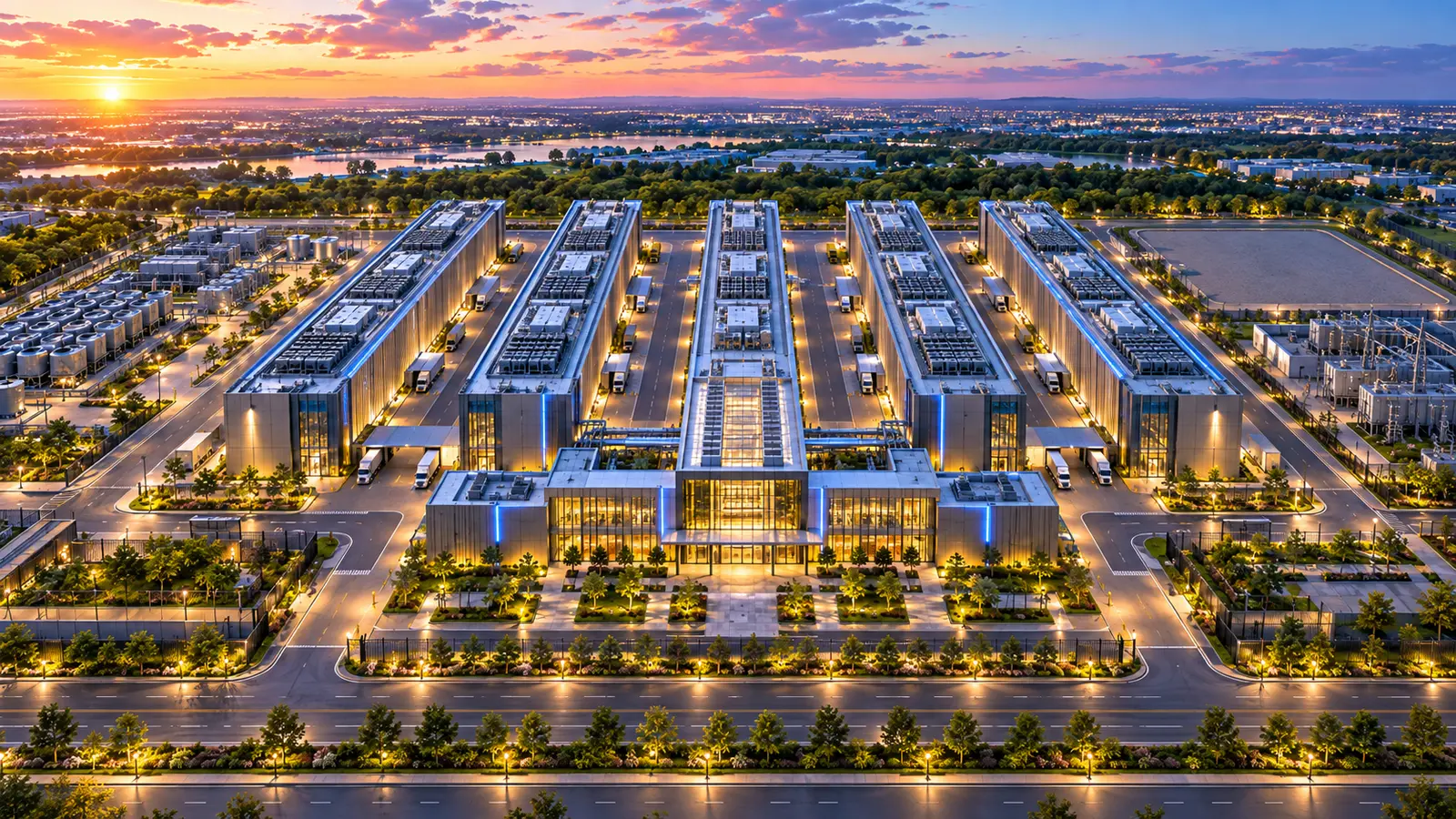
Land Development · Capacity Yield + Operational Constraints
Land Development Series · 21/30
How Do You Maximize Developable Capacity Without Creating Future Operational Constraints?
The highest theoretical building count is rarely the best campus. Capacity optimization should protect power topology, maintenance, fire access, security, construction sequence, water management, and expansion while maximizing usable MW.
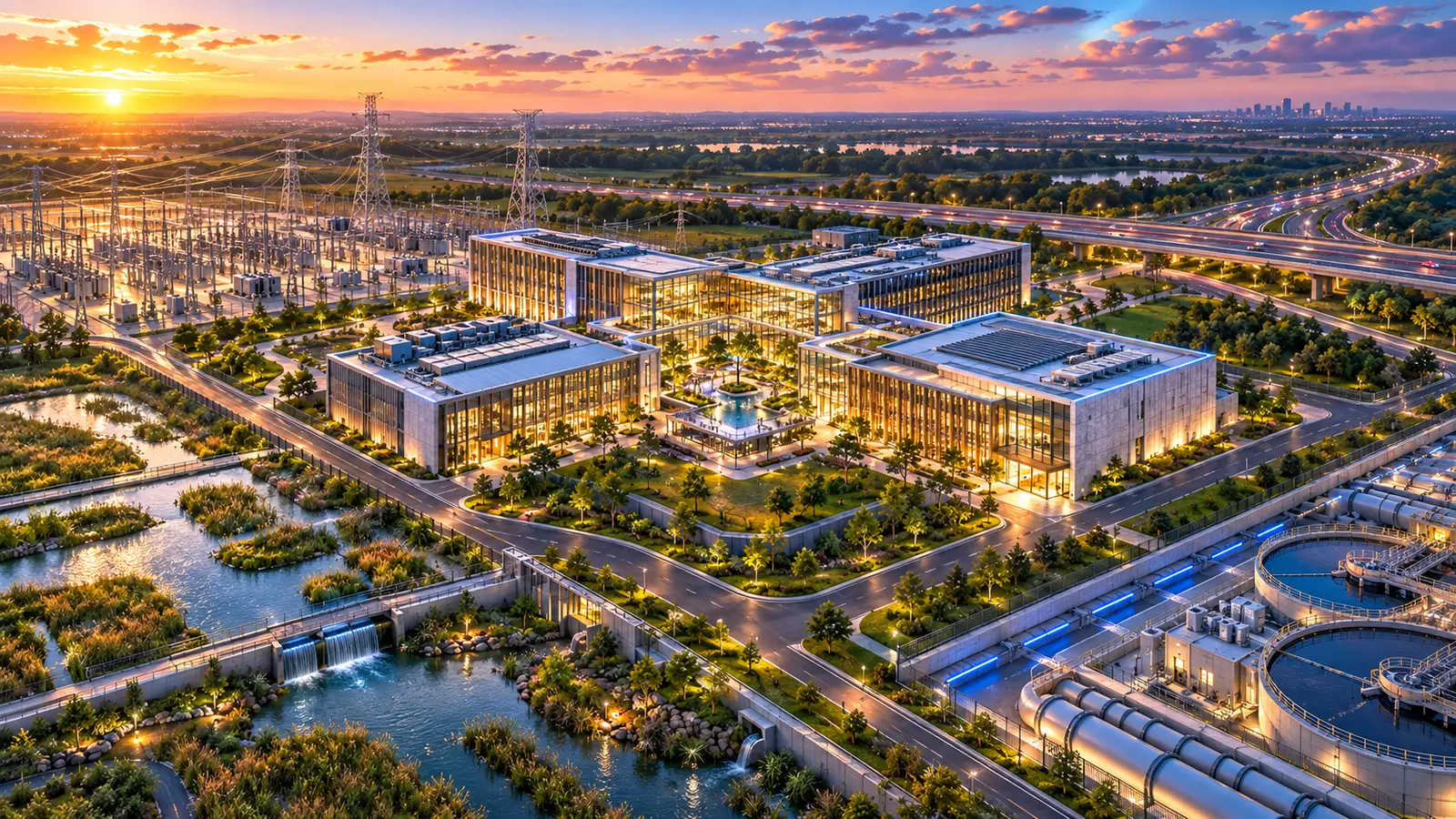
Land Development · Consultant + Vendor Leadership
Land Development Series · 22/30
How Do You Lead a Multidisciplinary Due-Diligence Team Without Missing Critical Interfaces?
Consultant management is not meeting administration. The development manager must define scopes, decision dates, interfaces, assumptions, escalation paths, and integrated outputs across land, civil, utility, environmental, legal, and entitlement workstreams.
Land Development · Development Schedule
Land Development Series · 23/30
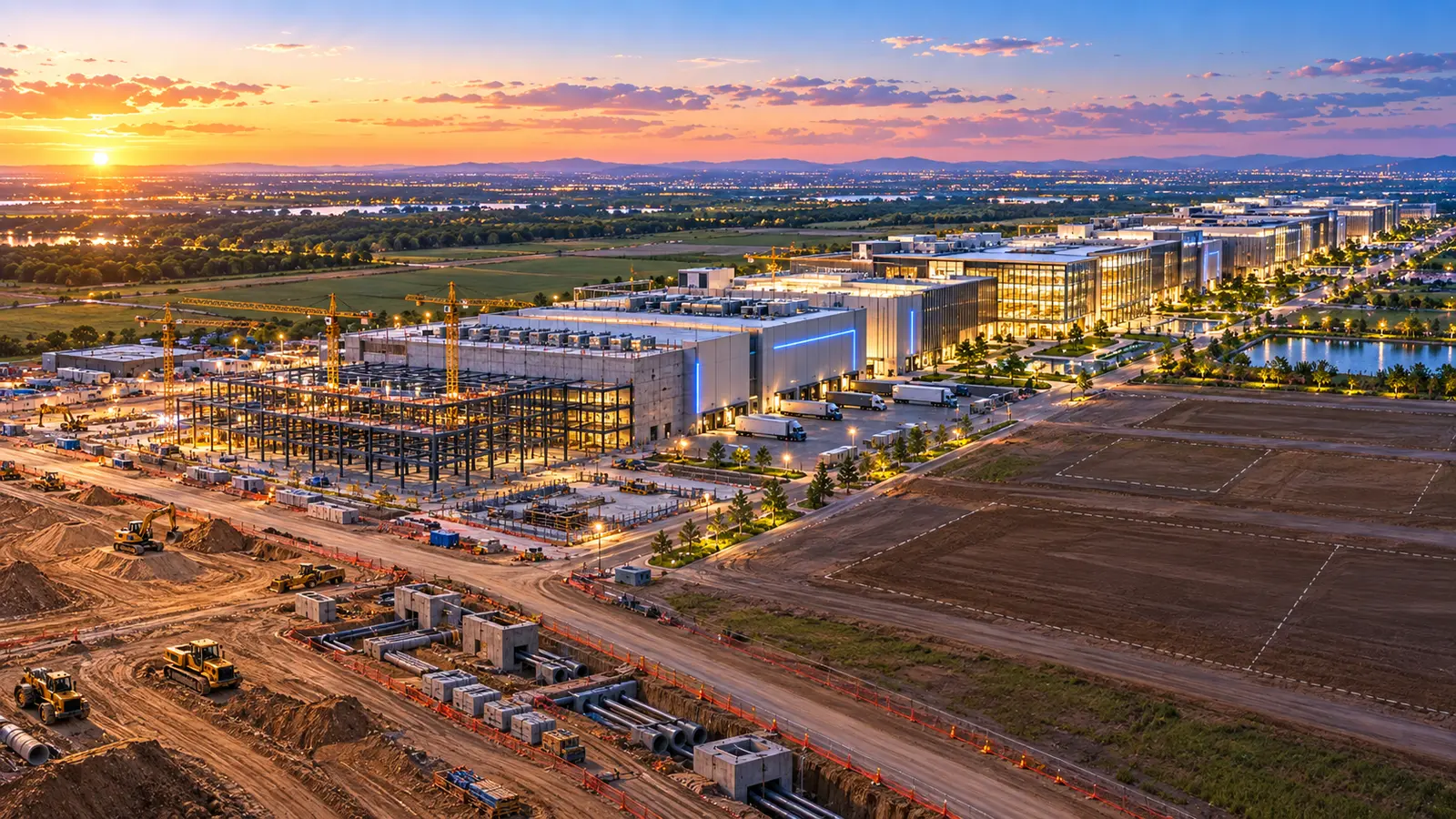
How Do You Build a Realistic Data Center Land-Development Schedule?
A credible schedule begins with the required capacity date and works backward through land control, diligence, entitlement, utilities, civil design, permits, off-site infrastructure, procurement, and construction dependencies.
Land Development · Critical Path to Capacity
Land Development Series · 24/30
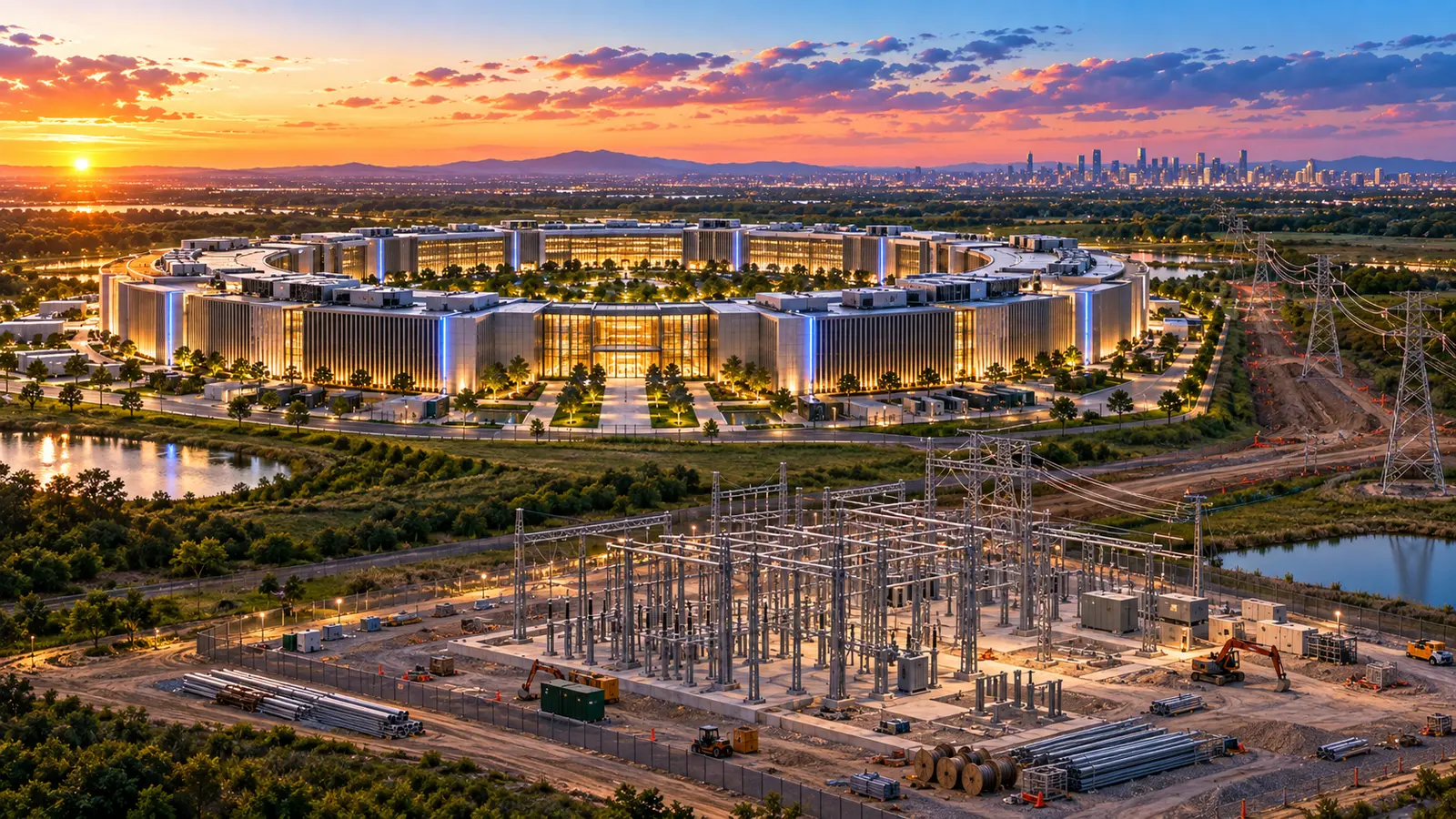
What Is Really on the Critical Path to Data Center Capacity?
The critical path is not necessarily the longest task. It is the chain of zero-float dependencies that controls when usable capacity can be energized, commissioned, and handed over.
Land Development · True Development Cost
Land Development Series · 25/30
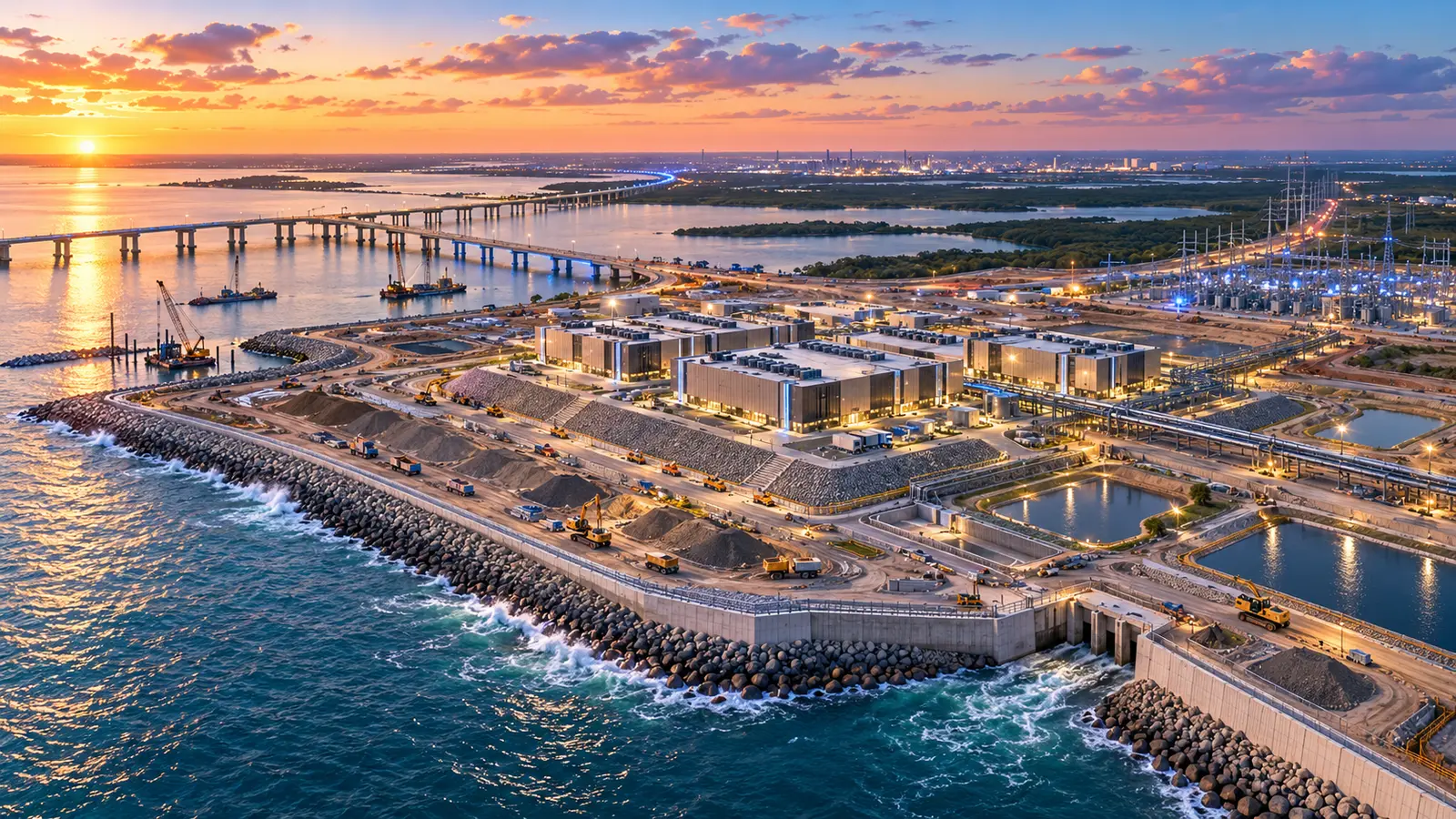
How Do You Determine the True Development Cost of a Data Center Site?
Purchase price is only one line in site economics. A credible land decision includes civil work, off-site infrastructure, utility contributions, entitlement, mitigation, schedule exposure, contingencies, and the value of delayed or lost capacity.
Land Development · Land Negotiation + BATNA
Land Development Series · 26/30
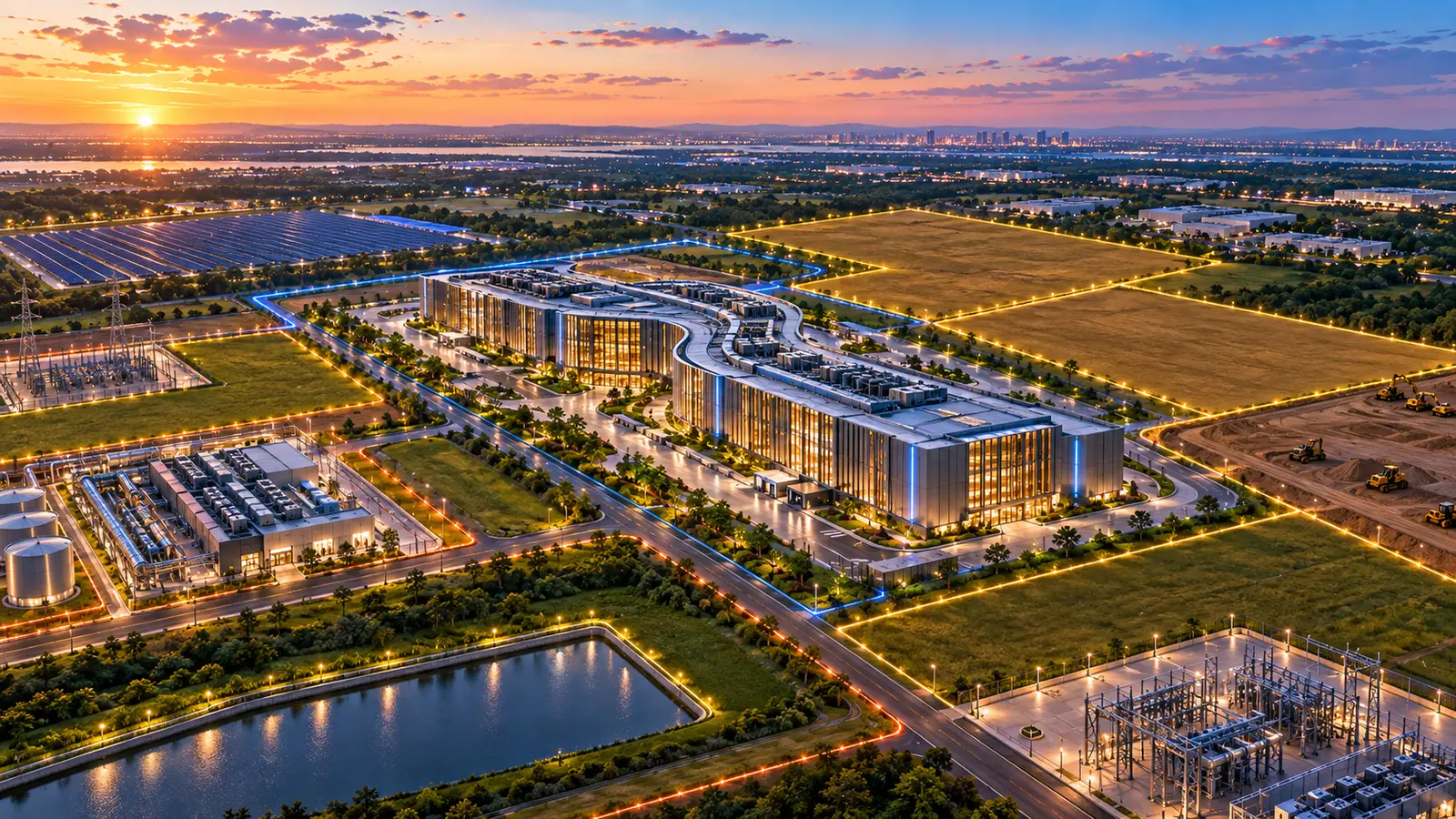
How Do You Negotiate a Data Center Land Deal Without Taking Uncontrolled Development Risk?
A strong land negotiation allocates uncertainty before it becomes sunk cost. Price matters, but so do diligence rights, contingencies, extensions, access, cooperation, utility and entitlement conditions, remedies, and the buyer's BATNA.
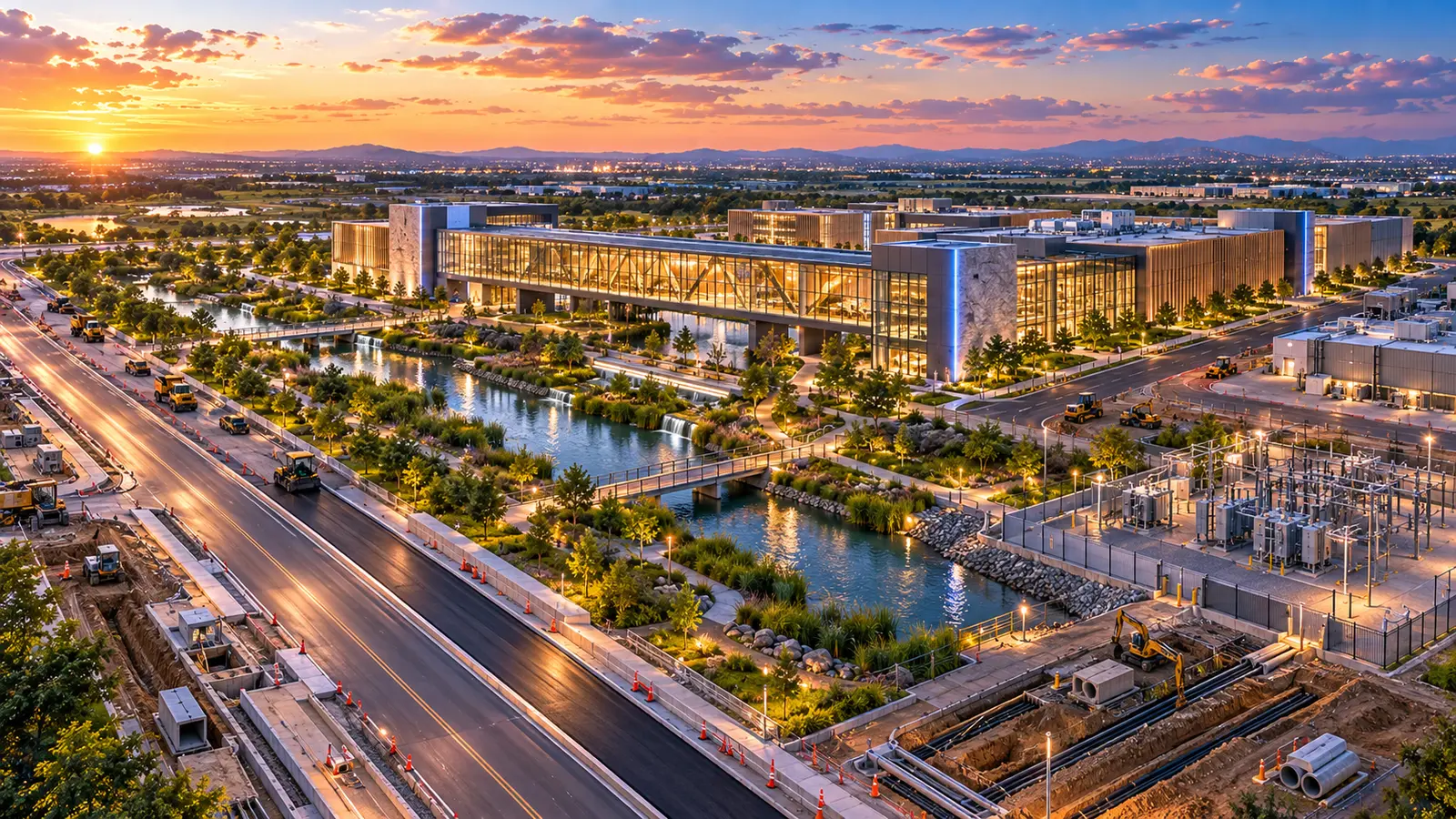
Land Development · Development Agreements + Obligations
Land Development Series · 27/30
How Do Development Agreements Turn Data Center Conditions Into Executable Obligations?
Entitlement conditions and infrastructure commitments become real project risk when they are vague about scope, timing, payment, acceptance, ownership, reimbursement, or remedies. Development agreements should convert promises into executable obligations.
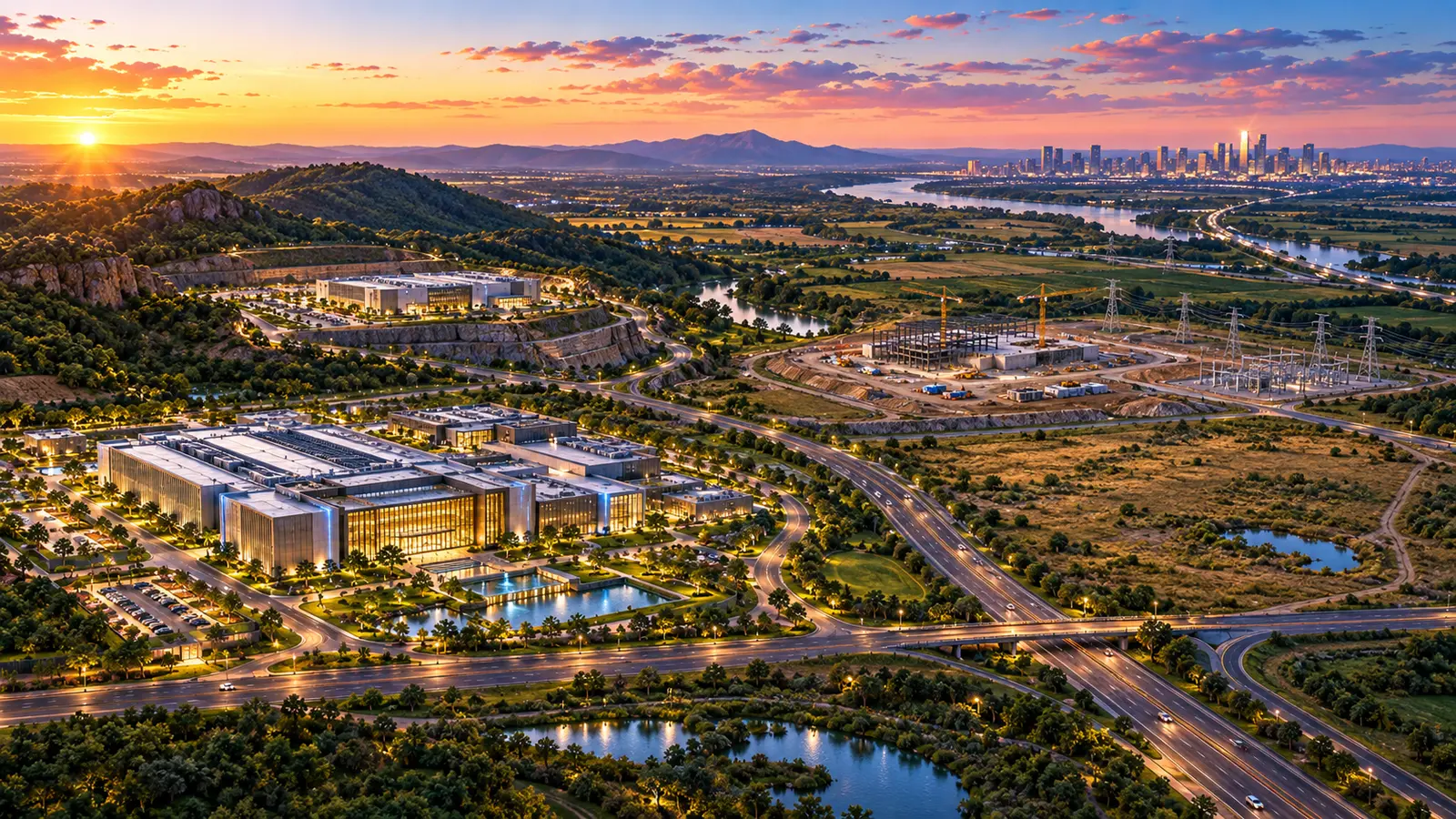
Land Development · Development Decision Gate
Land Development Series · 28/30
When Should You Proceed, Redesign, Renegotiate, or Walk Away From a Data Center Site?
No site is perfect. Senior development judgment is the ability to distinguish a manageable constraint from a business-case failure and choose the next action without allowing sunk cost or schedule pressure to distort the decision.

Land Development · Regional Real Estate Strategy
Land Development Series · 29/30
How Does One Site Decision Become Part of a Regional Data Center Real Estate Strategy?
A site should not be evaluated in isolation when regional capacity requires multiple campuses, utility relationships, entitlement pathways, geographic diversification, and future land options over time.
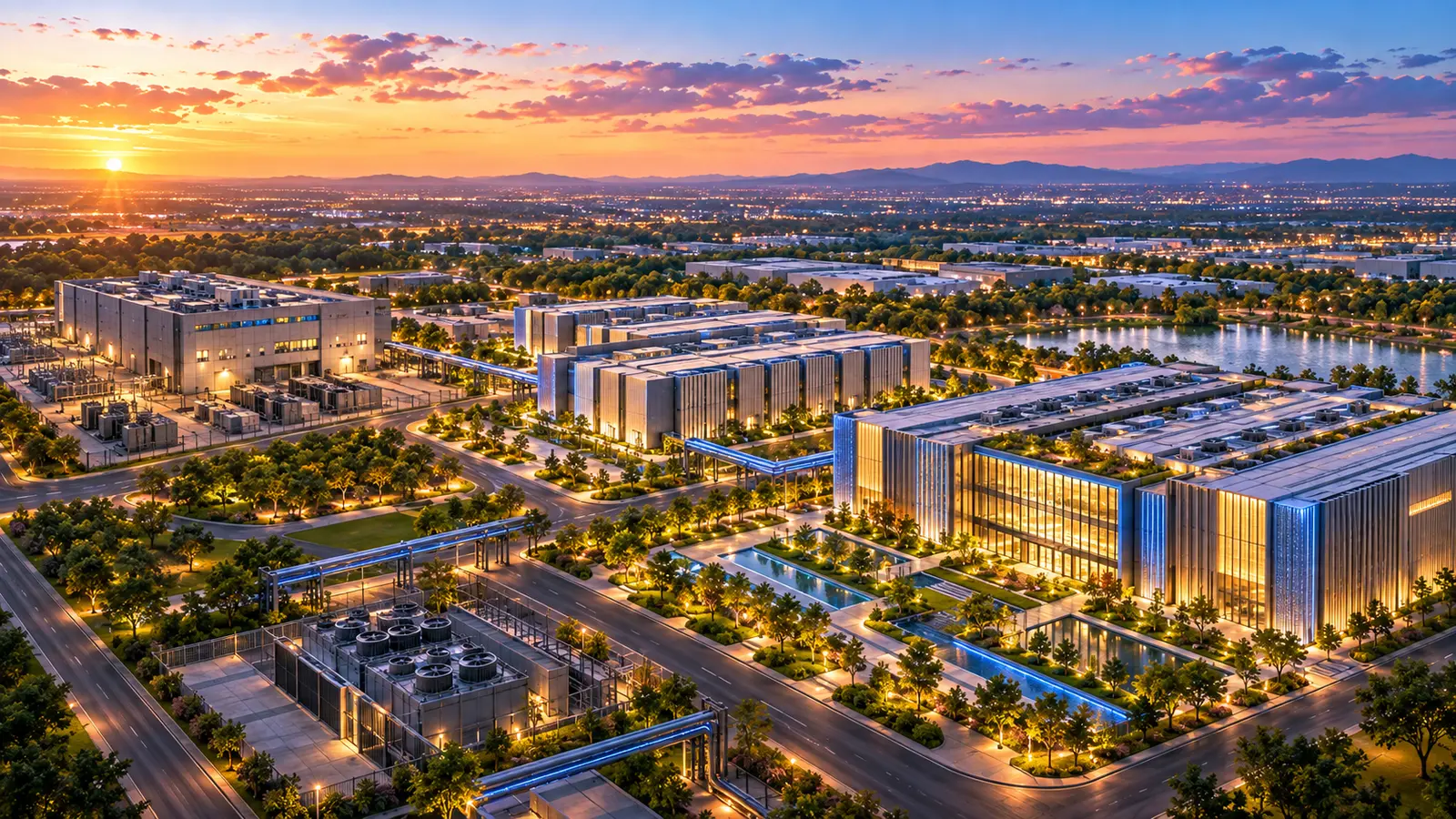
Land Development · BOD + Master Plan Standards
Land Development Series · 30/30
How Do You Turn Development Lessons Into Better BOD, Master-Plan Principles, and Entitlement Standards?
The value of a portfolio is lost when each project relearns the same lesson. Strong development organizations convert recurring failures, approval conditions, cost drivers, and operating feedback into better standards and earlier decision gates.
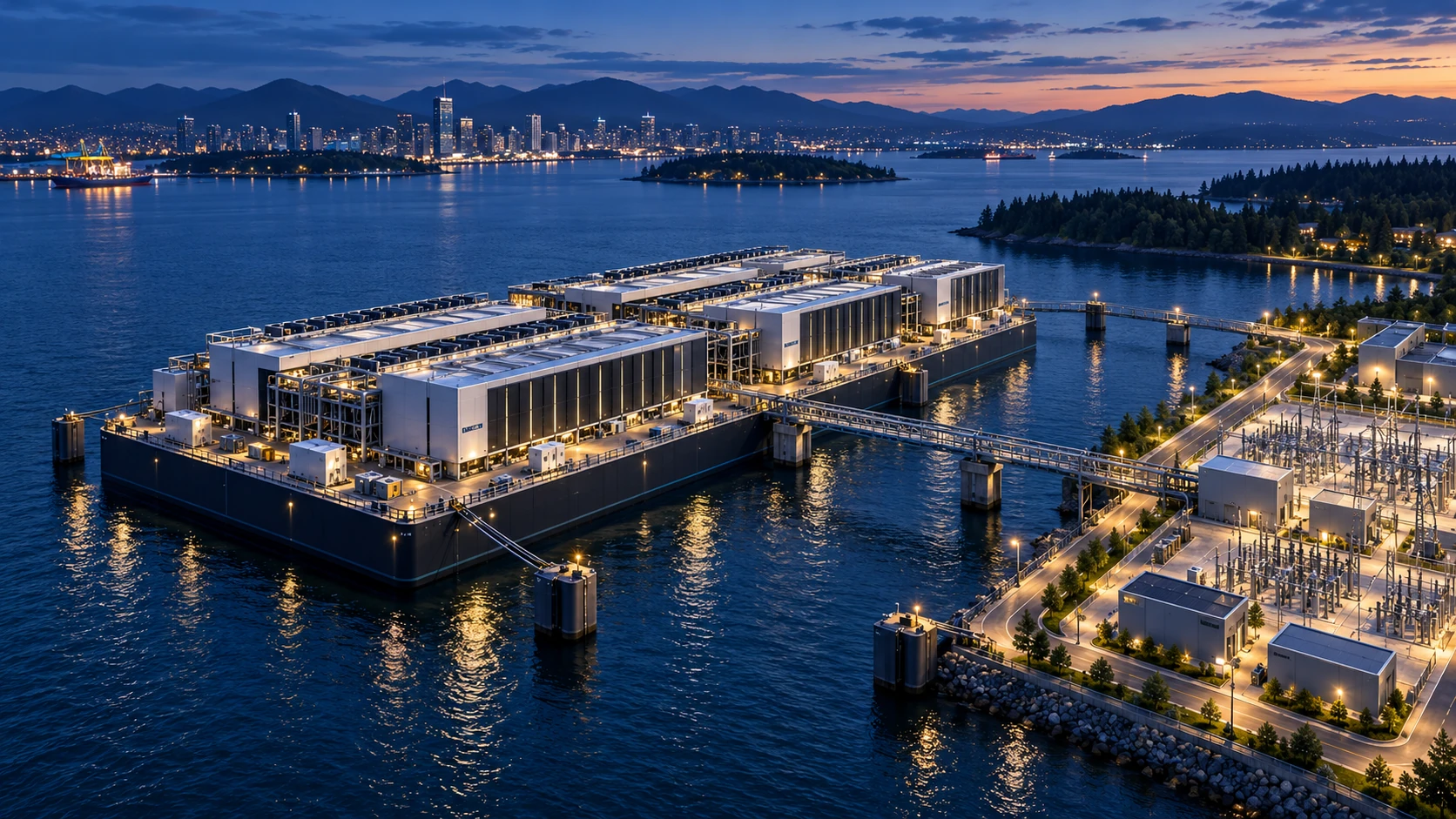
Floating Data Centers
Advanced Capacity Systems
Floating Data Centers: When Ships and Barges Make Sense
Ships and barges can change the land and delivery equation. Their feasibility still depends on power, fiber, shore access, marine conditions, maintenance, and an operating model that outperforms a credible land-based alternative.
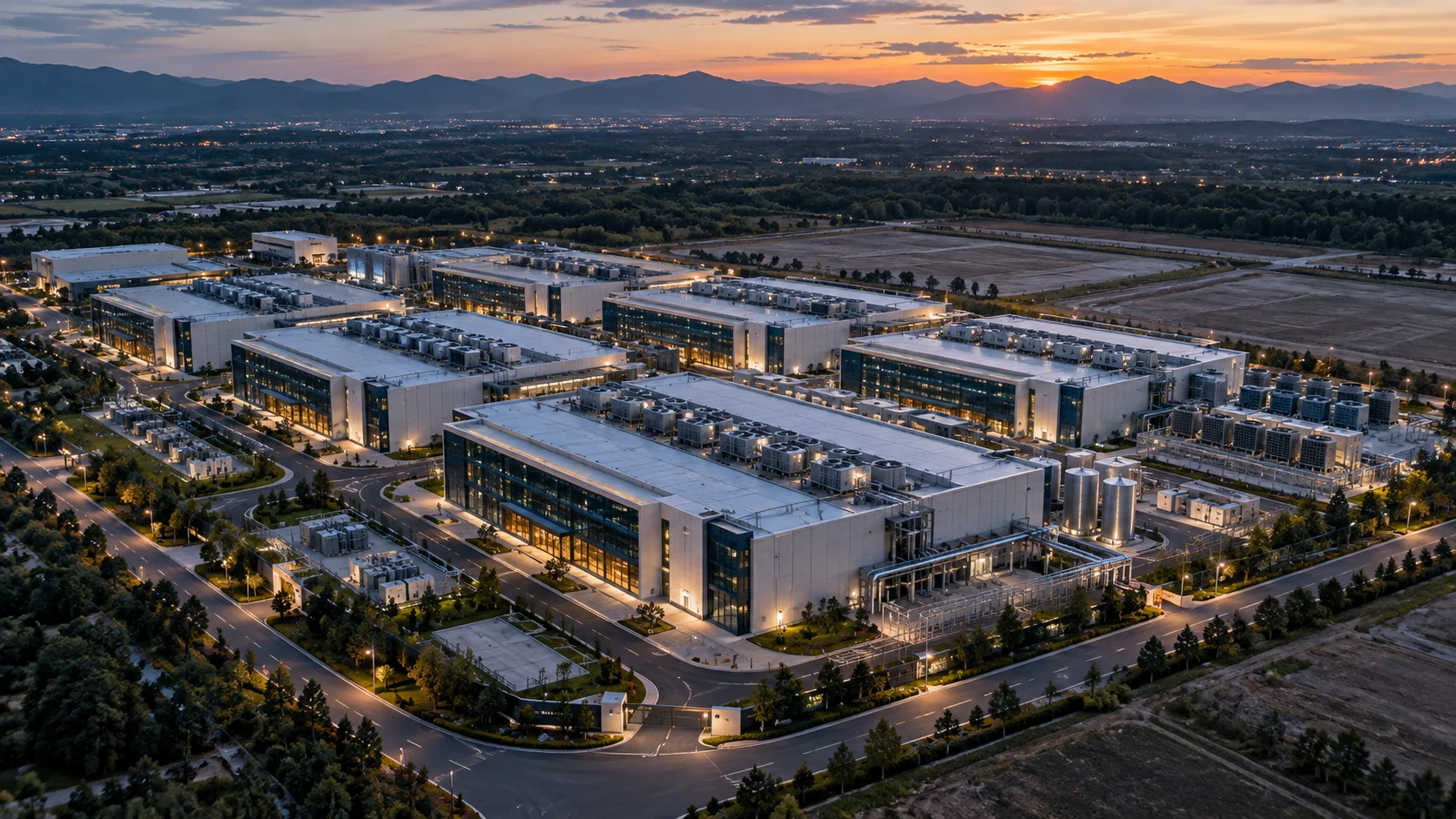
Modular AI Infrastructure
Advanced Capacity Systems
Modular AI Infrastructure: From First Deployment to AI Factory with Speed, Scale, and Sovereignty
A deep dive into the physical systems, delivery strategy, and operating controls that turn a first AI deployment into repeatable, productive capacity—with speed, scale, and sovereignty designed in from the start.
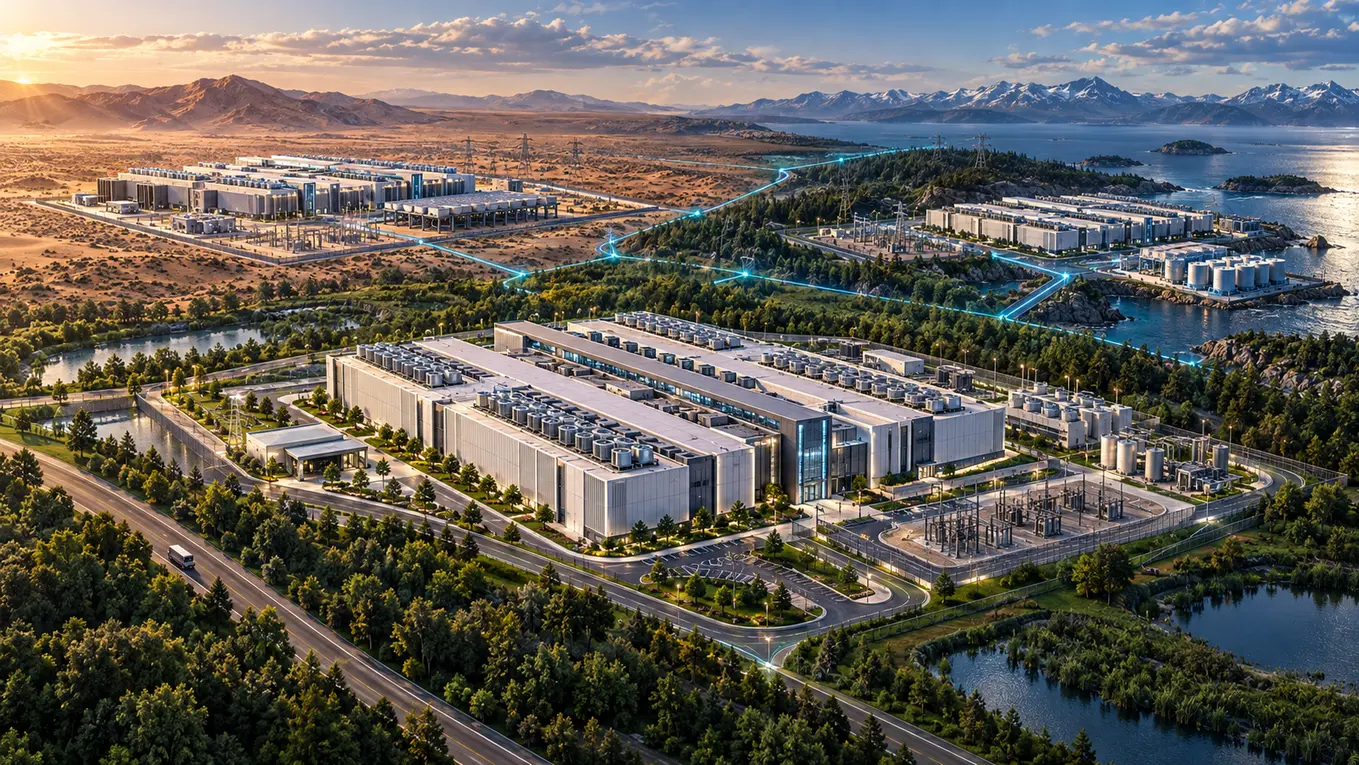
Reference Design Governance
Delivery + Governance
From Prototype to Global Standard
How evidence gates turn one successful data center pilot into a controlled, repeatable reference design—without scaling hidden defects, undocumented workarounds, or site-specific assumptions.
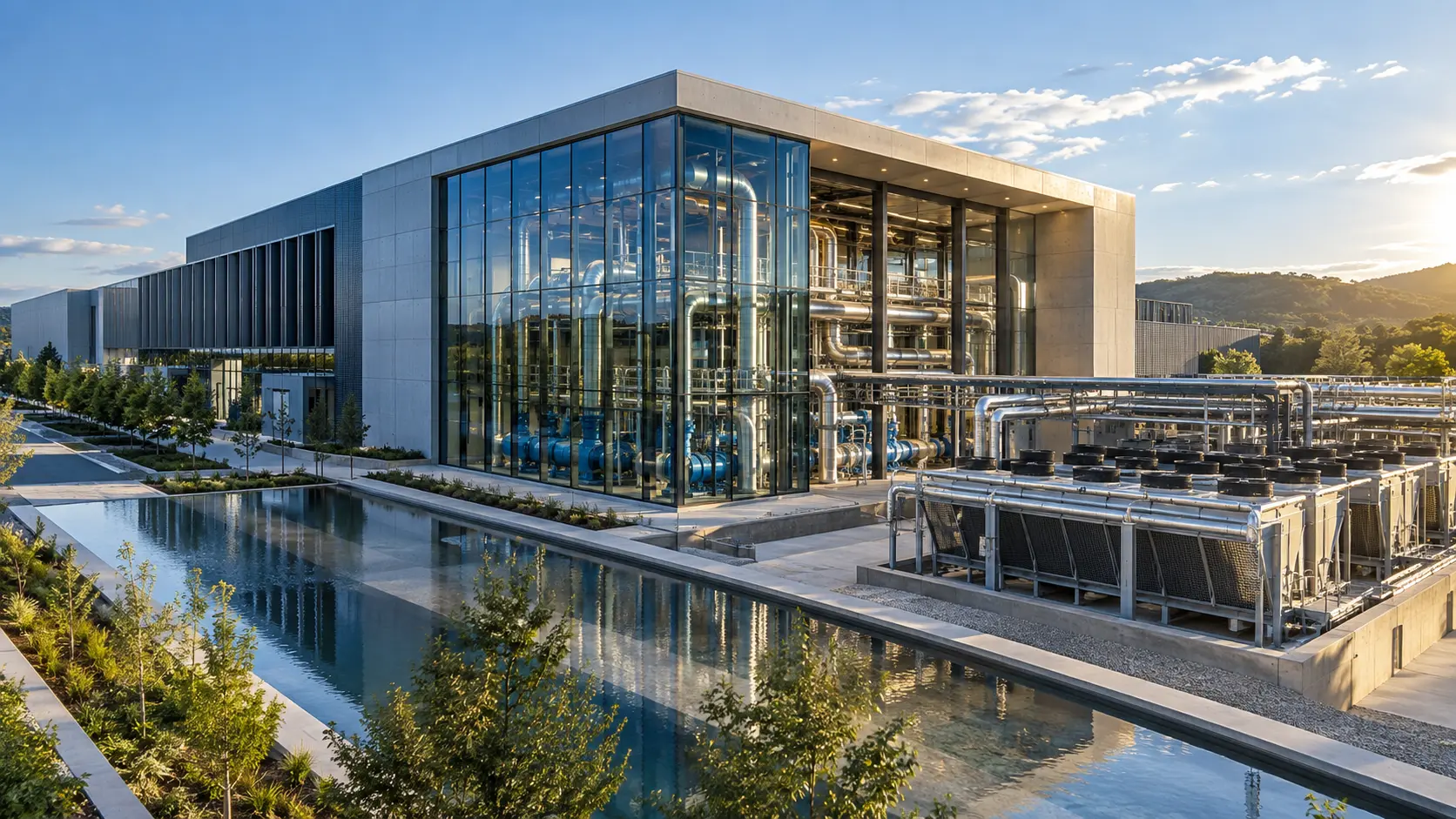
Cooling & Water
Cooling + Architecture
Liquid Cooling Is an Architectural System
Why high-density cooling must be designed through the building section—from silicon and coolant loops to structure, drainage, controls, heat rejection, maintenance, and recovery—not added at the rack.
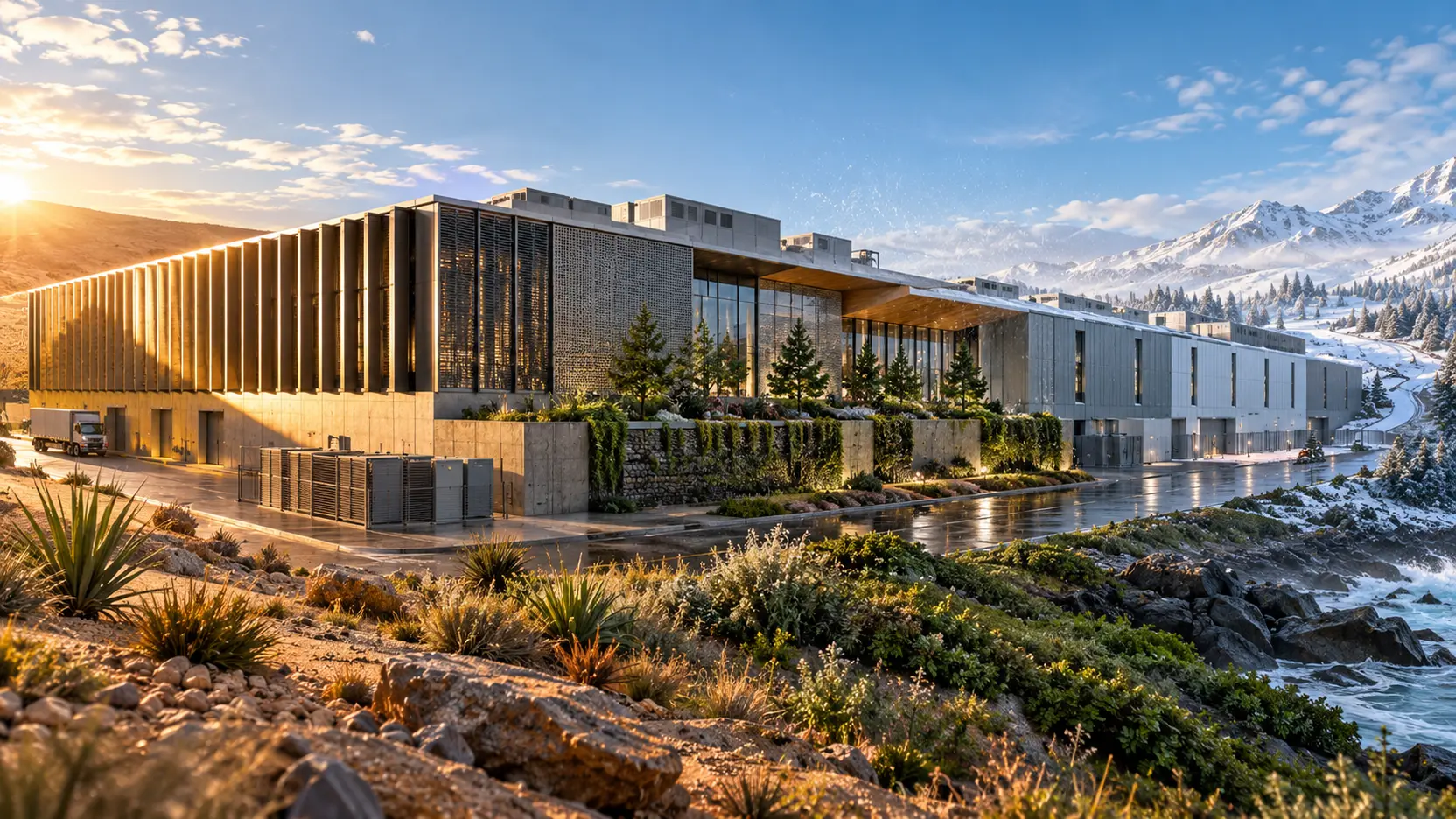
Architecture & Resilience
Envelope + Resilience
Climate-Responsive Envelope Variants
How to preserve one global data-center platform while changing the wall and roof physics that each climate demands.
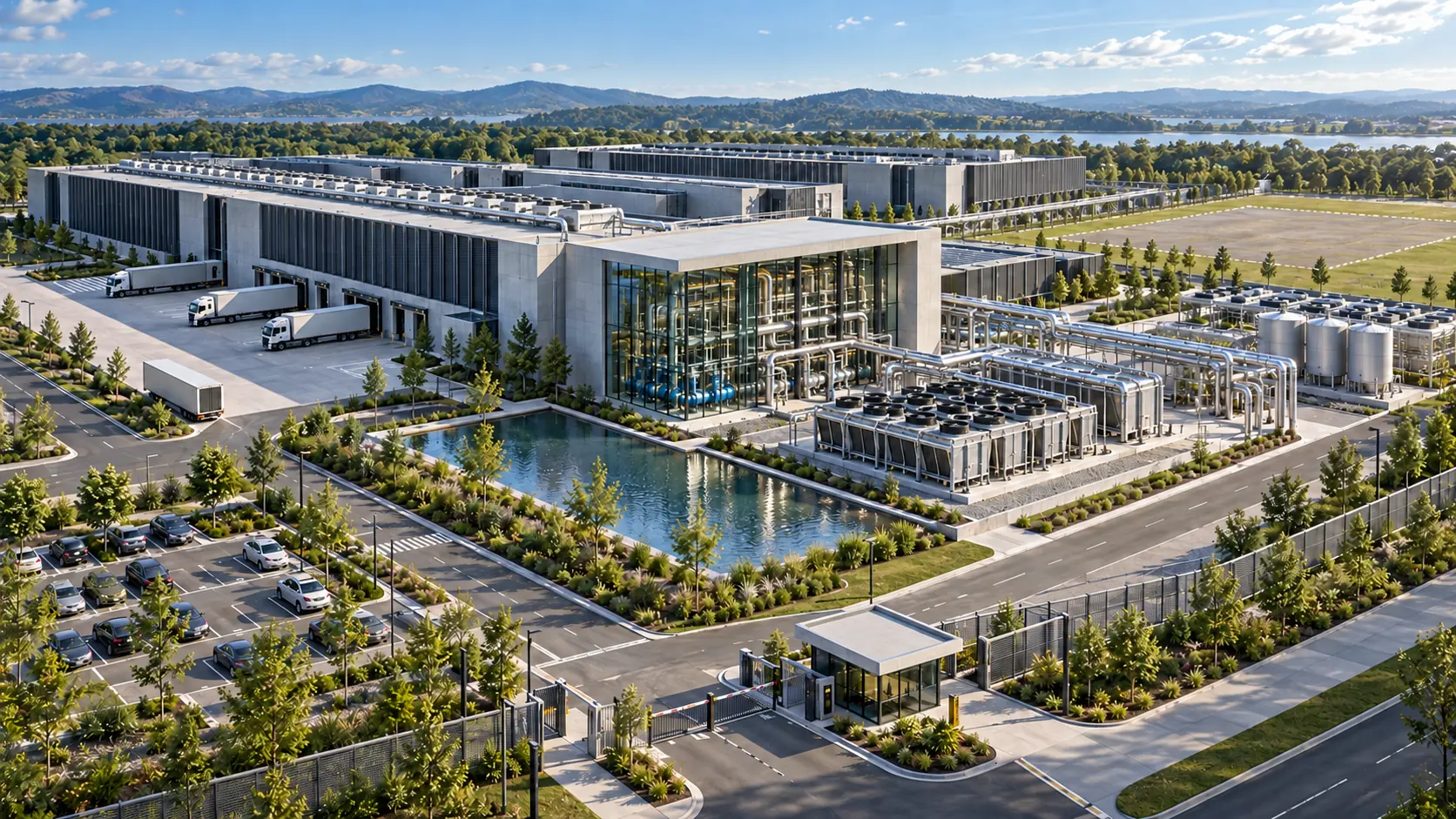
Campus Planning + Capacity Delivery
Master Planning
10 Steps to Plan the Ideal Data Center Masterplan
A practical architect-led sequence for placing the data halls, power, cooling, generators, loading, parking, fire access, stormwater, buffers, utility corridors, and future expansion so the campus works as one operating system—not a collection of rectangles.
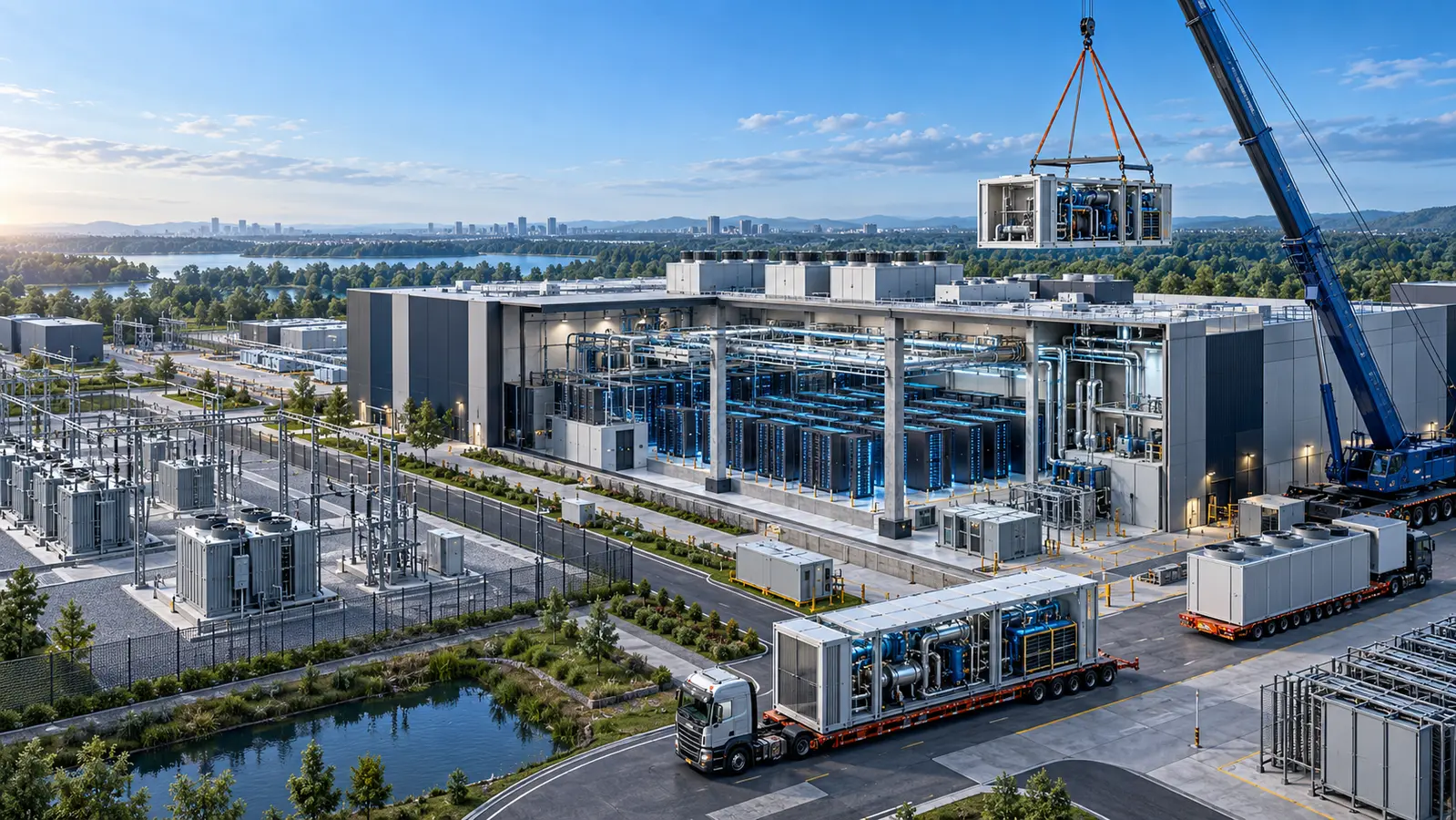
Industrialized Delivery + Reference Design
Delivery + Governance
Prefabricated Data Center Architecture: What Should Be Standardized and What Must Remain Site-Specific?
A textbook framework for separating repeatable modules from the site conditions, approvals, interfaces, and operating constraints that cannot be copied blindly.
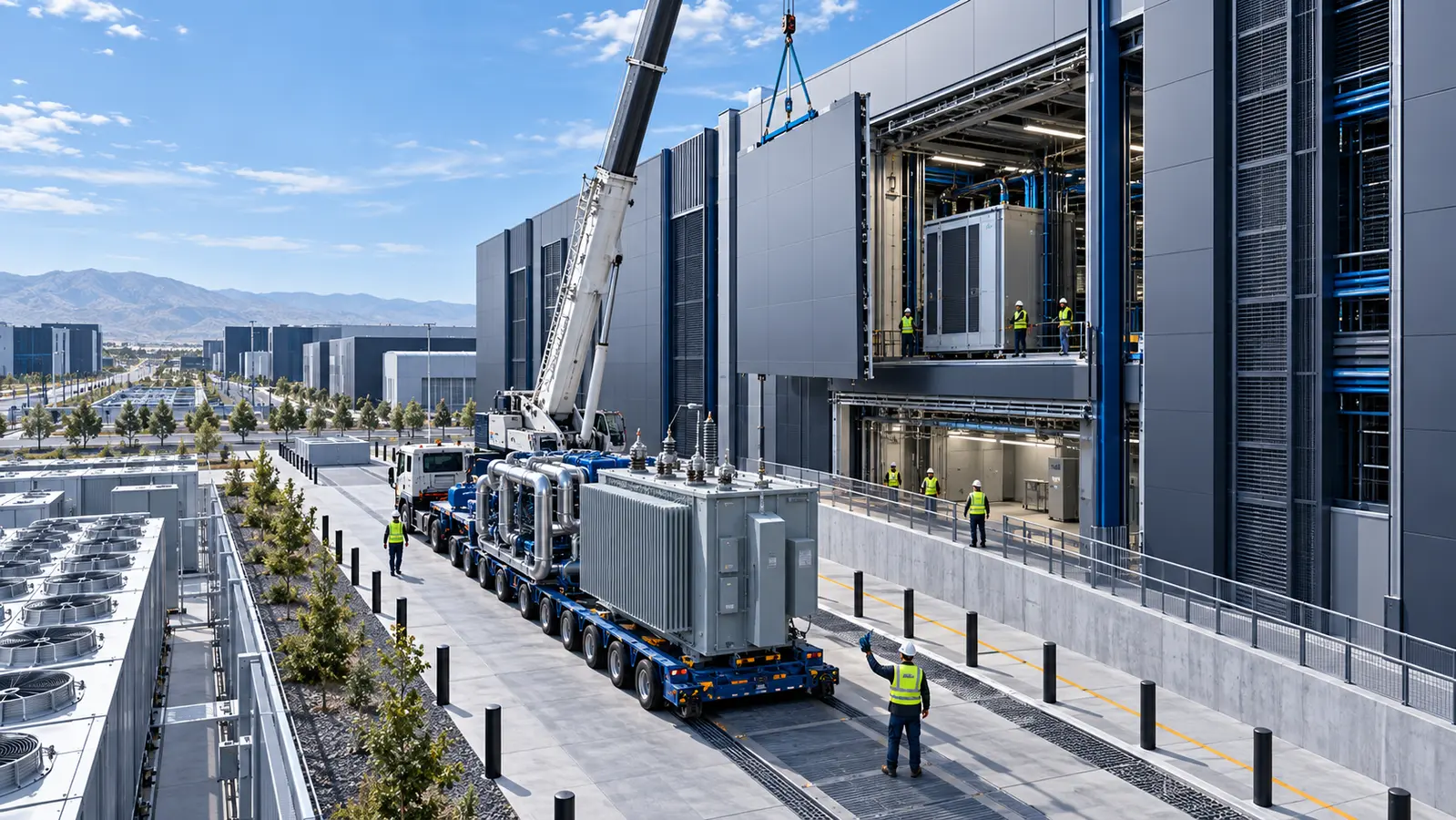
Lifecycle Architecture + Operations
Architecture + Operations
Designing for Replaceability: Architectural Systems for Rapid Equipment Change-Out
How to design the permanent routes, clearances, removable assemblies, and operational protections that turn equipment replacement from an emergency redesign into a planned lifecycle task.
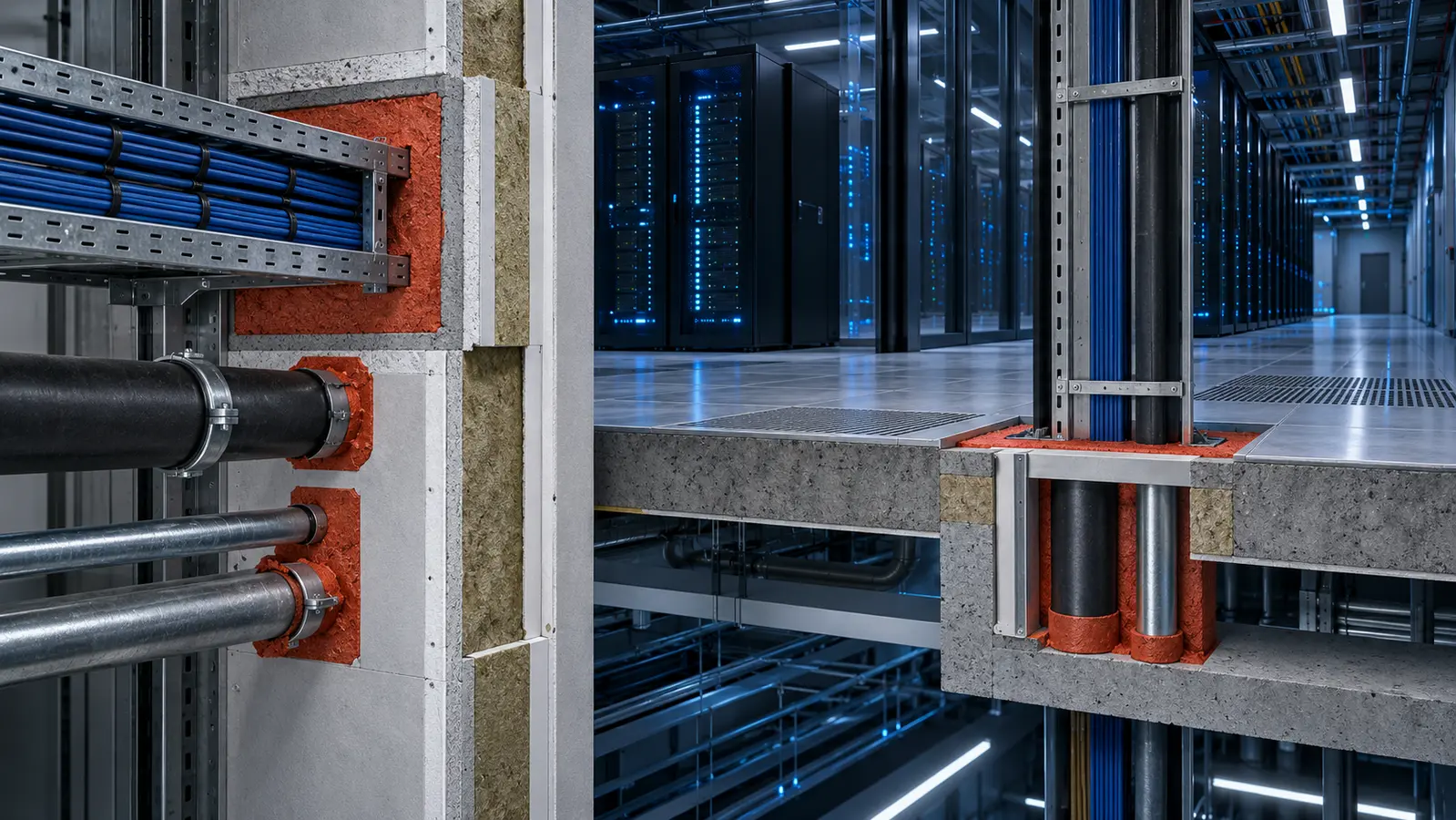
Fire + Constructability
Fire + Quality
Firestopping as a Manufactured System: From Field Variability to Repeatable Performance
A deep-dive on treating penetrations, sleeves, cable pathways, tested assemblies, inspection, and change control as one repeatable fire-and-smoke-containment system.
Materials + Resilience
Materials + Delivery
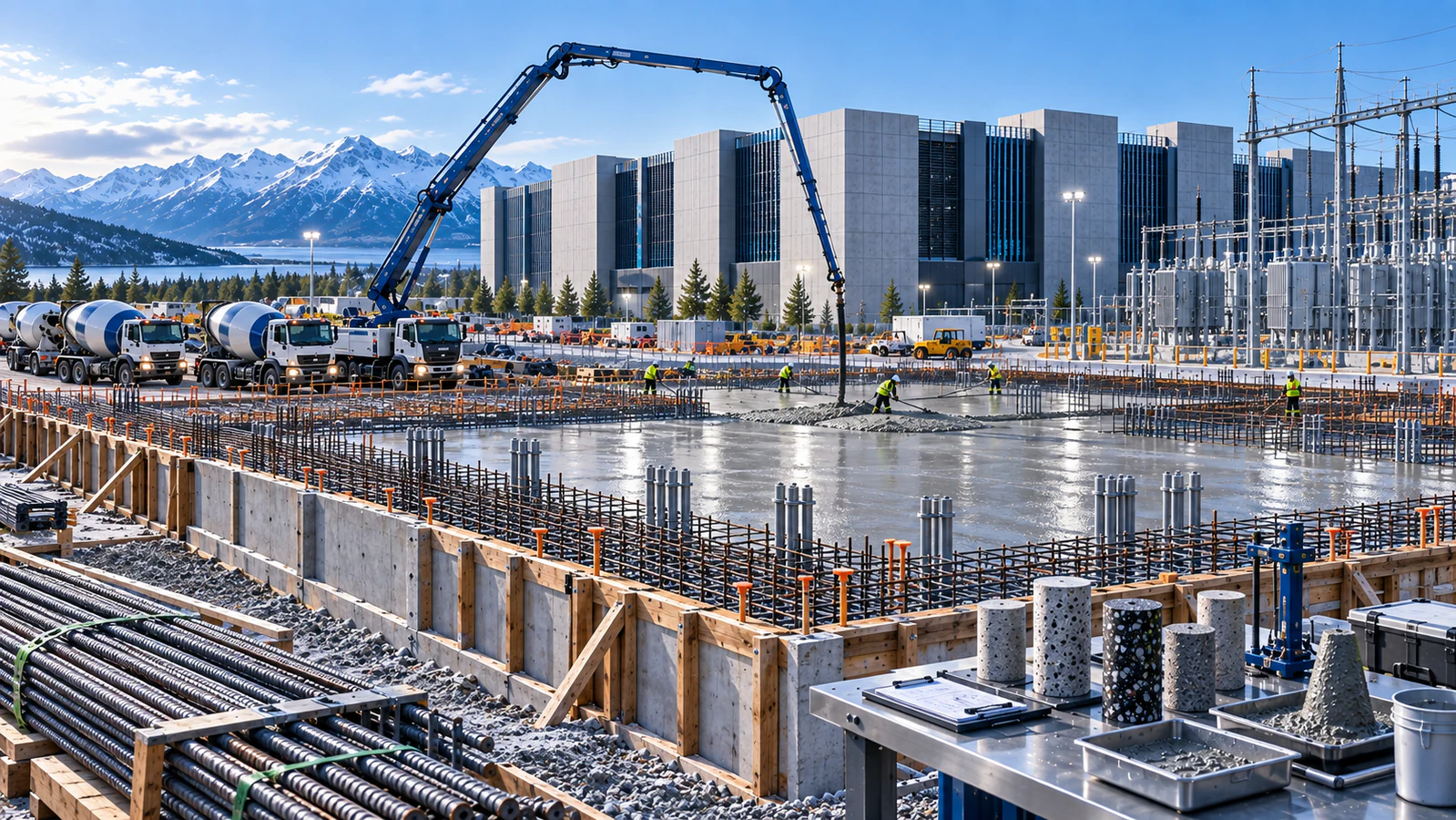
Low-Carbon Concrete for Mission-Critical Facilities: Performance Before Claims
How to lower embodied-carbon exposure without converting foundations, slabs, equipment pads, and structural systems into untested schedule or reliability risks.
Cooling + Water Resilience
Cooling + Water
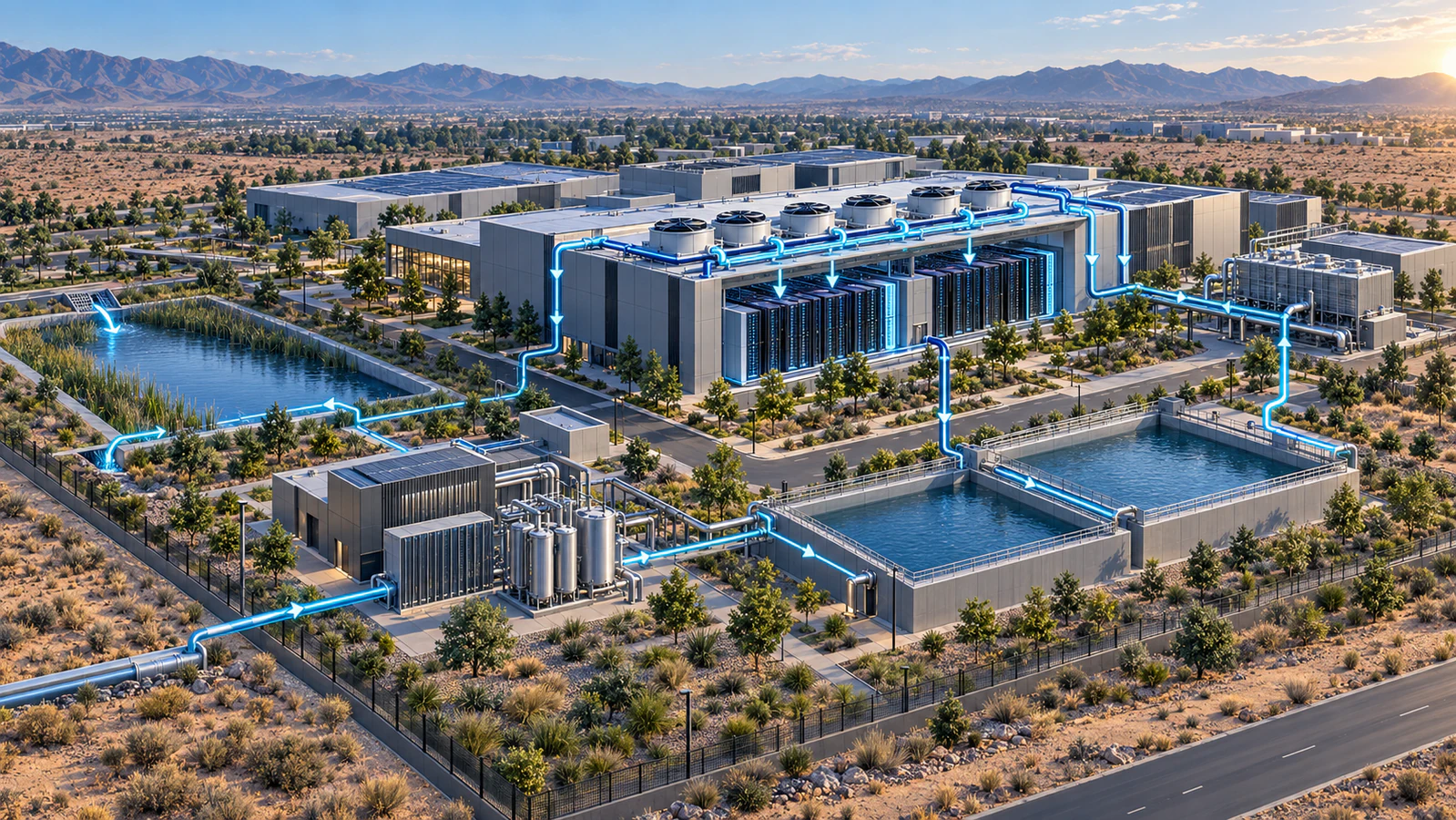
Water-Resilient Data Center Design: Moving Beyond Annual WUE
A rigorous planning framework for water-source risk, cooling topology, seasonal operations, treatment, storage, drought constraints, and evidence-based resilience.
Energy + Campus Interfaces
Cooling + Energy
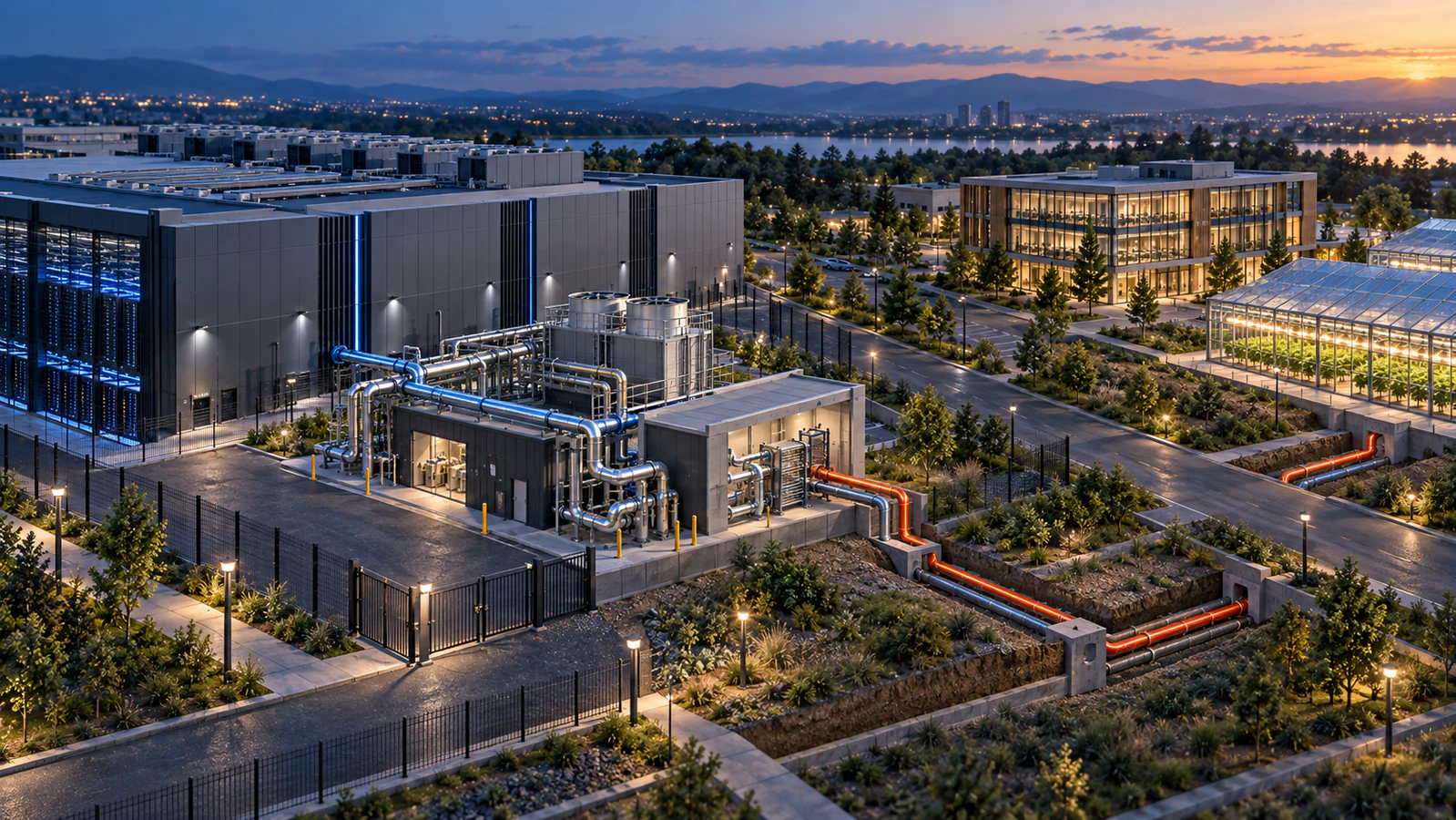
Data Center Heat Reuse: Designing the Architectural Interface Before an Off-Taker Exists
How to preserve credible heat-reuse optionality without burdening the primary data-center cooling and resilience system with an unproven external dependency.
Digital Delivery + Reference Design
Delivery + Governance
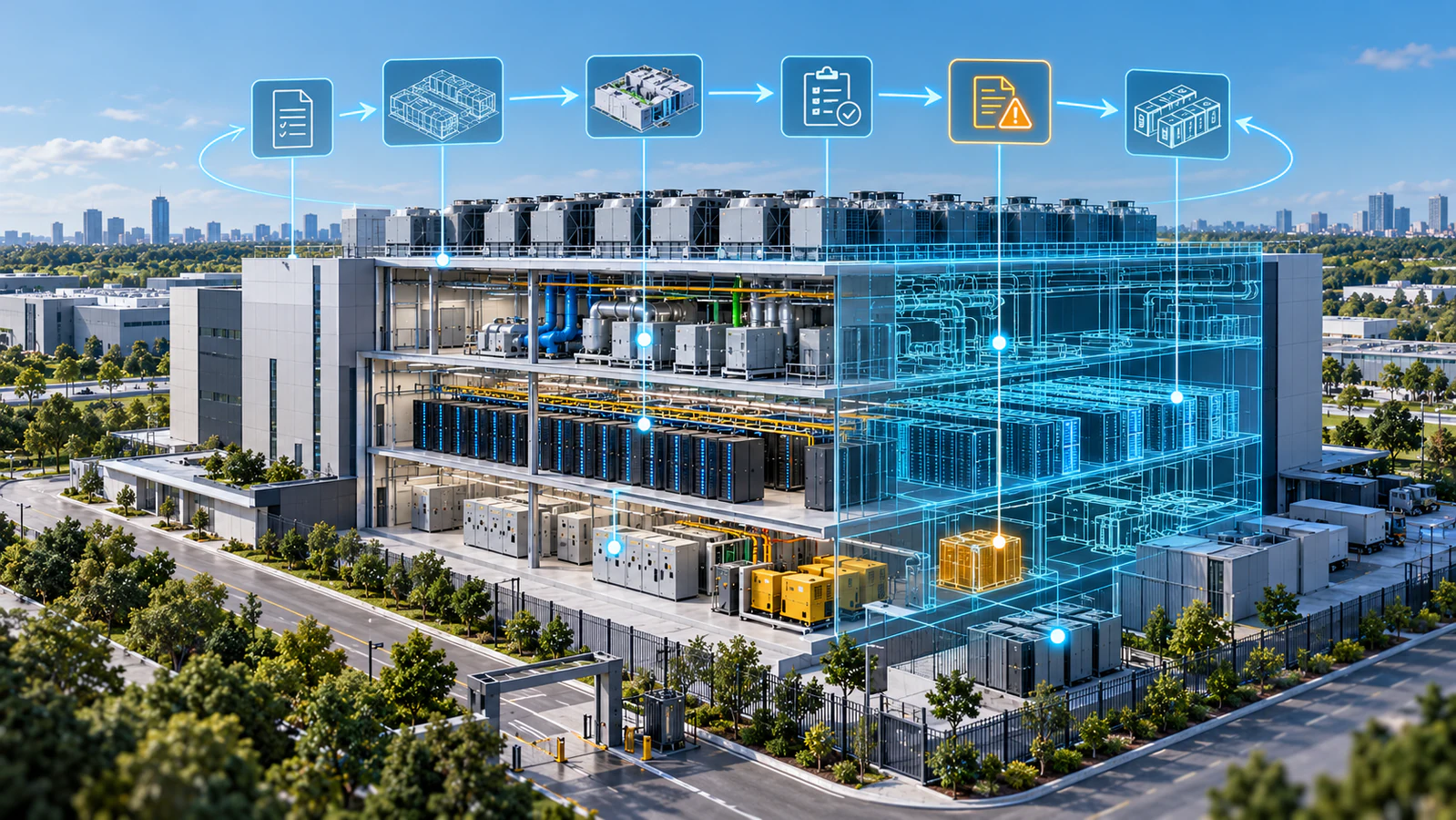
The Self-Auditing Data Center: Digital Twin to Reference-Design Feedback
A practical framework for turning requirements, models, inspections, tests, commissioning data, and operations evidence into a learning system that improves the next data-center release.
New insights are published as research-led DCFR field notes for planning-grade site screening, feasibility, land-development, entitlement, and capacity-delivery decisions.